
HEALTH & WELLNESS

Use AI to Ask Better Health Questions—Not to Replace Care

AI can help organize symptoms, explain unfamiliar terms, and prepare questions. The important part is knowing what it cannot diagnose, confirm, or decide for you.

Mature woman smiling in a bright, calm home setting.

Good places to begin

Use these guides to get better organized and better informed while keeping medical decisions with qualified professionals.

01

AI Health Advice After 50: What to Check

Learn how to verify AI health claims, spot weak evidence, and prepare questions for a clinician.

02

Keep a Useful Chronic Pain Symptom Log

Organize a pain diary and turn it into clearer questions without letting AI invent causes.

03

Can AI Spot Health Decline Between Visits?

Understand what wearable trends can contribute and what automated alerts cannot prove.

All Health & Wellness Guides

Browse the complete health and wellness collection, with clear limits and privacy reminders built into the guidance.

AI and Chronic Pain: Finding Patterns You Miss
AI and Chronic Pain: Keep a Useful Symptom Log
Use AI to organize a pain diary, check its summaries, protect your privacy, and prepare clearer questions for your healthcare appointment.

Too Many Medications? Can AI Spot the Risks?
Can AI Check Your Medication Risks?
Use AI to organize a medication review, understand its limits, and prepare better questions for your pharmacist.

Can AI Detect Dehydration Before You Feel Thirst?
Can AI Really Detect Dehydration?
Learn what hydration apps and wearables can and cannot tell you, how to evaluate their claims, and when symptoms need medical attention.

AI Health Advice After 50: What Not to Trust
AI Health Advice After 50: What to Check
How to verify AI health claims, spot weak evidence, protect personal information, and prepare questions for your clinician.

Can AI Spot Health Decline Between Doctor Visits?
What wearable trends can contribute, what alerts cannot prove, and how to make a useful monitoring plan with your care team.

The AI Aging Clock: Can It Measure Healthspan?
Can an AI Aging Clock Measure Your Healthspan?
What biological-age estimates mean, why results can be uncertain, and what to ask before paying for an aging-clock test.
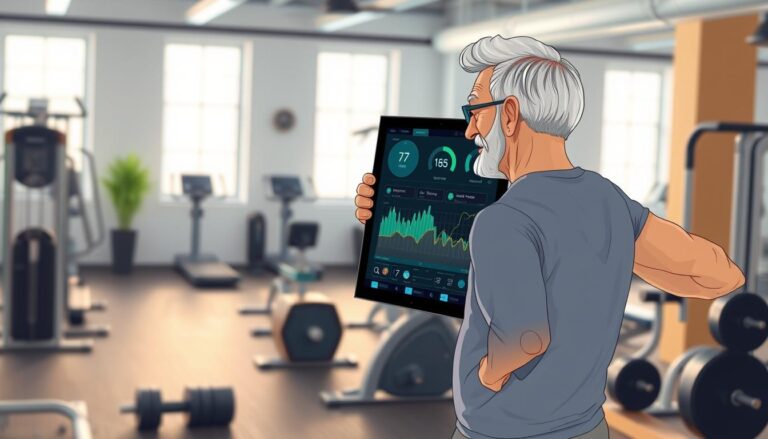
AI Strength Training After 55
AI Strength Training After 55: What It Can Do
Use fitness AI for planning and tracking while checking its limits on exercise technique, injuries, and personalized advice.

Open lined notebook with a green pen and two pencils on a wooden desk.
Use AI to Organize Your Blood Pressure Log
Keep accurate blood-pressure records, set reminders from your care plan and use AI for formatting without letting it change readings or treatment.
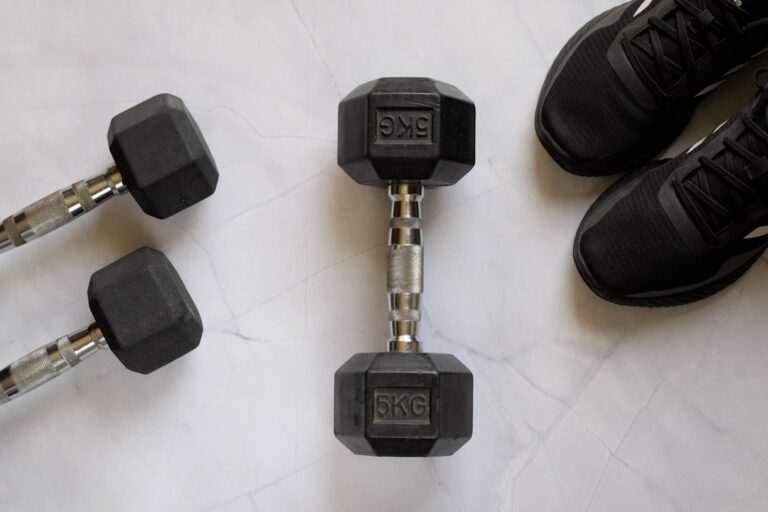
Black dumbbells and a pair of black sports shoes on a light floor.
AI and Bone Health: What a Fitness App Cannot Tell You
Use AI to organize bone-health questions and approved routines while keeping bone-density testing, exercise advice and treatment decisions with professionals.

A clinician in a white coat holding papers while speaking with a seated patient.
Can Healthcare AI Be Age-Biased?
Learn how age bias can enter healthcare AI and what patients can ask about evidence, human review, medical-record errors, and accessible care.
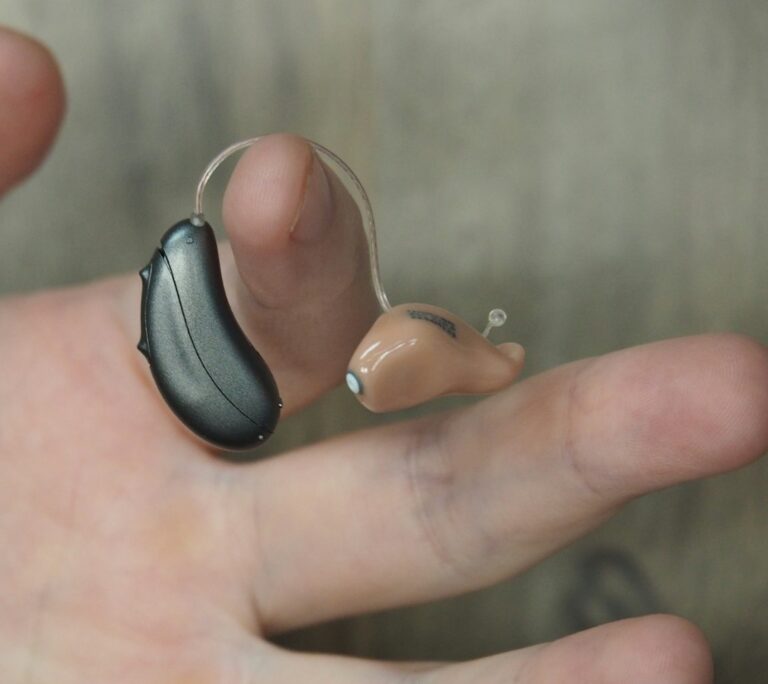
A small behind-the-ear hearing aid with its earpiece resting on an open hand.
AI and Hearing Technology: Choose the Right Help
Compare hearing aids, listening accessories, and AI captions. Check fit, evidence, privacy, and support without mistaking marketing for hearing care.
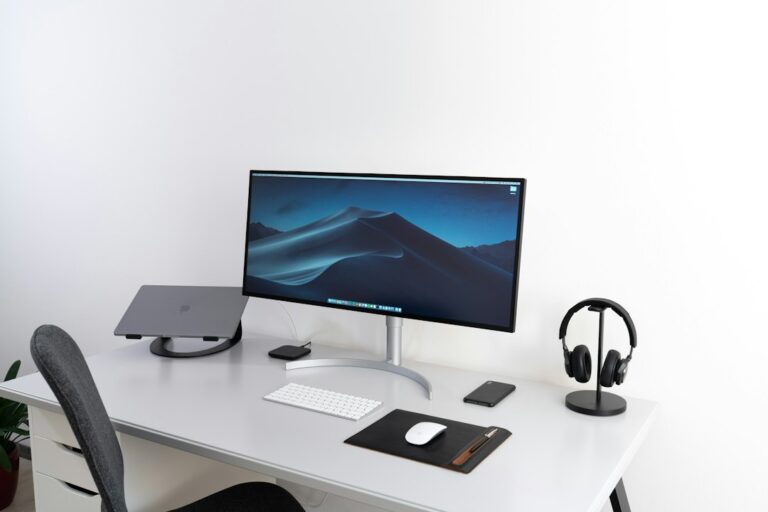
Desk with a monitor, keyboard, mouse, closed laptop and headphones beside an office chair.
Can an AI Phone Video Assess Your Posture?
Understand what AI pose tracking measures, why a video score is not a diagnosis, and how to discuss posture or movement concerns with a qualified professional.
1 2