

Information and education only. This article does not replace personalized medical advice. Consult a qualified healthcare professional about your situation, and never delay seeking care because of something you read here. Read our full disclaimer.
A watch or home device may record a change you would otherwise overlook. Whether that change indicates a health problem depends on the measurement, the device, and the clinical context.
AI can help analyze data in some systems. It cannot guarantee that a developing illness will be detected between appointments, and a normal dashboard does not rule one out.
Decide what you actually want to track
Start with a specific question rather than a general wish to monitor everything. Do you want an activity record, a symptom diary, or measurements requested by your clinician?
A useful record states what was measured, when, and with which device. Keep notes on symptoms and circumstances alongside the numbers. Do not assume a single score summarizes your health.
If tracking makes you check repeatedly without knowing what action to take, simplify the plan with your care team.
What a change in the data can mean
A difference from your usual pattern can be a reason to look more closely. It is not a diagnosis. Device fit, missing readings, activity, and other circumstances can affect what is recorded.
Ask the manufacturer which changes its algorithm is designed to detect and how it was evaluated. Evidence about one condition or device should not be stretched into a claim about detecting health decline generally.
Do not assume an app can distinguish every harmless fluctuation from an urgent problem. Record concerning changes and seek appropriate advice, even if no automated alert appears.
Do not confuse a watch with a medical sensor
Products vary in what they measure and what the results are intended for. The FDA’s approach to medical software is based on the specific function; an app’s general health branding does not tell you what has been evaluated.
One concrete example is glucose. The FDA warns against watches and rings that claim to measure glucose on their own without piercing the skin. Those claims differ from a watch displaying readings sent by an authorized glucose-monitoring device.
If you need measurements for a medical condition, ask your clinician which device is appropriate and how to use the results. Do not substitute an unverified gadget for that plan.

Agree on who reviews the information
Before assuming that monitoring will bring help, ask your care team:
- Which measurements do you want, and how often?
- How should I send them, and who checks them?
- What should prompt a routine message, a same-day call, or emergency care?
- What is the backup plan if the device or connection fails?
Writing these answers down is more useful than collecting data with no agreed response. Uploading a chart does not mean someone is reviewing it around the clock.
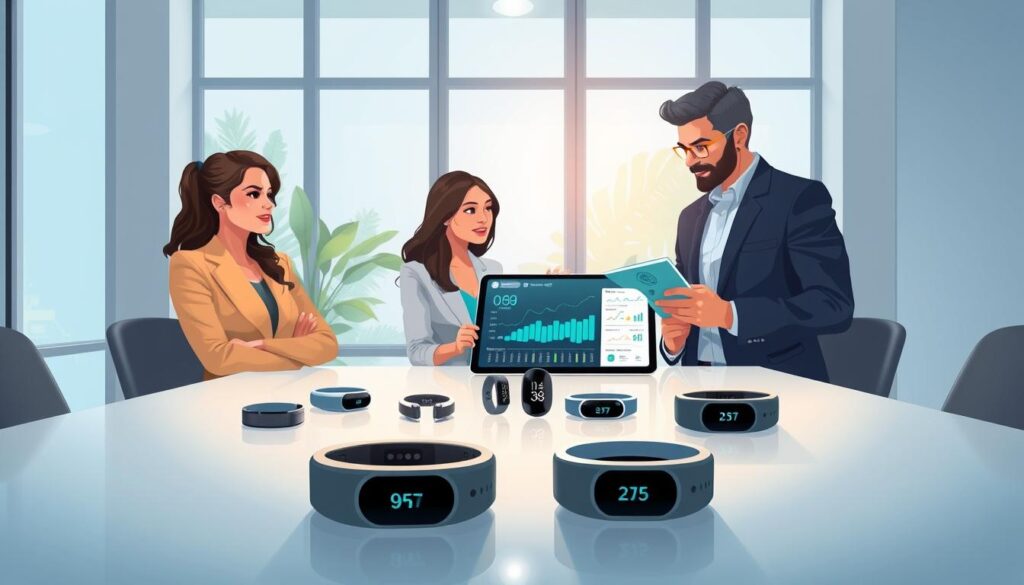
Bring a short, readable record to appointments
Summarize the date range, the change you noticed, accompanying symptoms, and questions. Keep the original readings so a clinician can check the summary.
AI may help format the record, but review it for missing entries, altered units, or conclusions that were not in your notes. Ask it to distinguish your observations from its guesses.
Check who can access the data and whether you can export or delete it. A practical record should remain useful if you stop using the app.
If you are also considering household sensors, see our guide to smart-home health monitoring.
Use tracking to support care
The value of a monitoring plan is the useful information it gives you and your care team—not a promise that nothing will be missed.
Continue appropriate appointments and seek care for concerning symptoms. Do not wait for a score to change before acting on a serious problem.
Updated September 16, 2026.