
Caring for a Parent in the Age of AI
AI may ease some of the paperwork and coordination around caregiving, while people remain responsible for care, decisions, and connection.

Will AI Replace My Doctor?
AI is already changing medical care. Here is what it can take on, what the studies actually show, and why your doctor’s role goes beyond giving answers.

A Clear Pain Log for Your Clinician, With or Without AI
A fictional diary shows how to preserve dates, missing entries and your own words in a short summary for a clinician. AI is optional; interpretation stays with your care team.
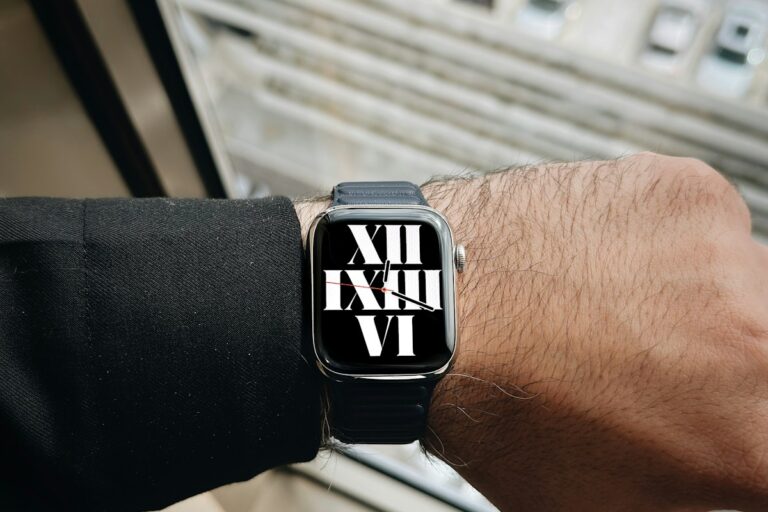
My Watch Flagged Possible Sleep Apnea. What Should I Do?
A smartwatch can flag breathing changes and still miss sleep apnea. Here’s what the alert means, what to tell your clinician, and when a sleep study can help.

Can AI Really Detect Dehydration?
Some apps and devices claim to track hydration. Learn what they can measure, what their limits are, and when symptoms deserve medical attention.

Using AI After a Hospital Stay
Keep discharge instructions, confirmed appointments and unanswered questions connected. See where AI can help with organization, while your care team handles results, medicine changes and clinical decisions.

Smart Home Health Alerts: What They Measure and Who Responds
An activity alert is not a health assessment. Understand what home sensors measure, what they miss, and who has agreed to respond when a message arrives.

AI Health Advice After 50: What to Check
AI can help explain health information, but its answers need careful checking. Learn what to verify, when to consult your care team and how to protect your privacy.

Check an AI Exercise Plan Before You Try It
AI can help organize workout ideas, but a useful plan needs to fit your abilities. Here is what to check and when to seek qualified guidance.

Your Biological Age Test Says You’re Older. What Does That Mean?
You’re 58 and a blood test puts your biological age at 64. Here’s where those six years came from, why a repeat score can shift, and what to ask your doctor.
Can AI Spot Muscle Loss?
Result: Separate muscle-loss research claims from diagnosis and prepare care questions. Time: About 3 min to read; task time varies. Level: Beginner health reference. Device: Phone, tablet or computer. Tools: No account or wearable needed to read; AI optional for organizing observations for a clinician.

Prepare for a Doctor Visit With AI
A little preparation can make a doctor visit easier. See where AI may help with general questions, what to check and how to keep health information private.