Every year, one in four adults over 65 falls, which can change their life. These falls often lead to serious injuries. This makes safety a top priority for families in the United States. You might wonder, Can AI Predict Falls Before They Happen?
Modern technology is changing senior care for the better. It uses advanced fall prevention strategies to monitor movement and spot risks early. These tools add a vital layer of security for your loved ones.
During fall prevention month, it’s a great time to look at how digital innovations make homes safer. These systems go beyond grab bars and clear walkways. They work quietly in the background to give you peace of mind. By using these advancements, you can stay ahead of dangers and keep your loved ones independent.
The Science Behind Predictive Fall Detection
Ever wondered how computers can predict falls? It’s all thanks to predictive analytics in healthcare. These systems are now proactive, helping keep aging adults safe.
This science offers a precise way to ensure safety. It’s a big step forward in managing health and wellness.
How Machine Learning Analyzes Human Movement
Machine learning for seniors uses lots of data to find trends. It looks at how active you are and your health history. This helps set a normal behavior baseline.
When it finds something different, it warns of possible risks. This continuous monitoring means care teams get alerts based on real data, not guesses.
Identifying Gait Abnormalities and Behavioral Shifts
Gait analysis is a key tool here. It tracks your stride’s rhythm, speed, and length. It spots small changes that people might miss.
These small changes can signal a fall risk early. The National Institutes of Health (NIH) sees this as essential in caring for the elderly.
By adding fall risk assessment to daily care, caregivers can act fast. This machine learning for seniors helps you stay independent while keeping you safe.
Current Technologies and AI-Driven Solutions
The world of fall prevention technology is changing fast to keep seniors safe. Old systems only alert staff after a fall. But new tech focuses on proactive monitoring to spot risks before they lead to injuries. Adding these tools to AI in long-term care makes living spaces safer for everyone.

Radar-Based Monitoring Systems like Vayyar Care
Radar tech is a new way to track movement without invading privacy. Systems like Vayyar Care use radio waves to map rooms and detect changes in posture or location. This AI-powered fall detection works well, even in low light or steamy bathrooms.
Computer Vision and Camera-Based Analytics like SafelyYou
Computer vision looks at visual data to understand behavior. Platforms like SafelyYou use cameras to spot risky movements that might lead to falls. This smart home safety lets care teams act fast, preventing accidents before they happen.
Wearable Sensors and AI Integration
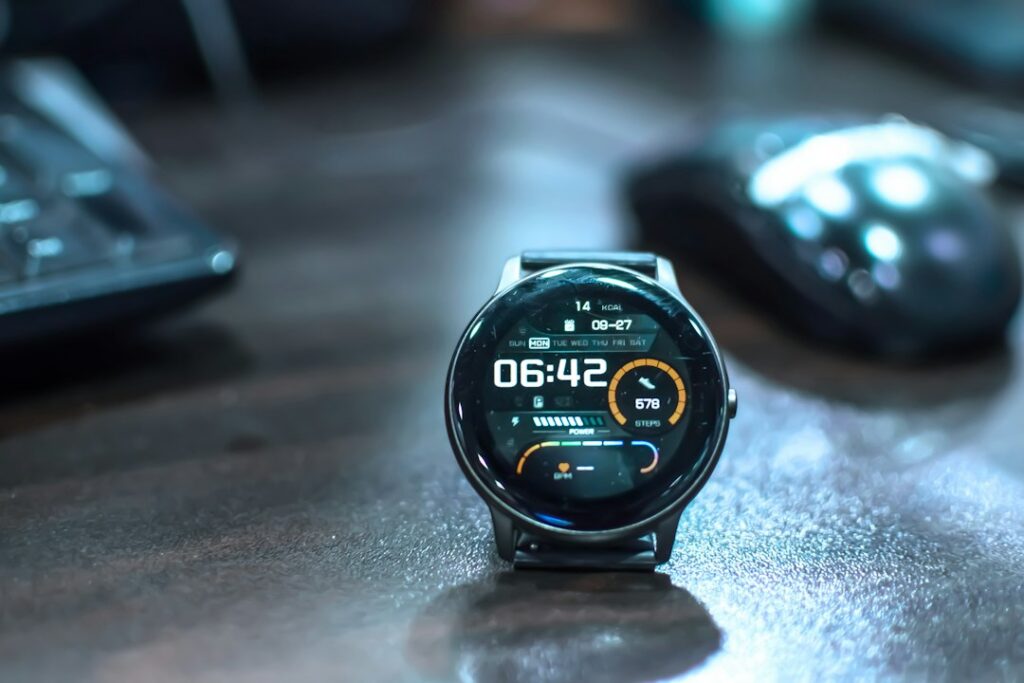
Wearable devices are key in health monitoring today. They combine motion sensors with smart algorithms to track stability and balance. This proactive monitoring sends alerts if a senior looks unstable. It’s a key part of keeping patients safe.
Can AI Predict Falls Before They Happen?
Ever wondered if machines can predict a fall before it happens? The move towards proactive monitoring is changing how we protect the elderly at home. With advanced data, we’re getting closer to stopping accidents before they start.

Analyzing Micro-Movements and Balance Instability
AI-powered fall detection tracks small changes in movement. Through gait analysis, it spots uneven or hesitant strides. These signs often hint at physical or neurological issues.
When these patterns change, the system alerts us to possible falls. This constant watch helps understand our health better. It catches details the human eye might miss.
The Role of Predictive Algorithms in Risk Assessment
The heart of this tech is predictive analytics in healthcare. Algorithms use lots of data to create a fall risk assessment for each user. They look at past movement to spot trends that might lead to a fall.
This info is key for caregivers to act early. They can help before a fall happens, making homes safer.
Distinguishing Between Normal Activity and Pre-Fall Patterns
One big challenge is reducing false alarms. Now, machine learning for seniors helps systems tell normal movements from pre-fall signs. This means alerts are only for real risks.
Spotting “silent falls” where someone recovers but is at risk is a big plus. By ignoring routine actions, the tech offers a solid safety layer. This accuracy builds trust and ensures help arrives when needed most.
Benefits of Early Intervention for Seniors
Preventing falls is the main goal of senior safety solutions. Moving from just reacting to proactive monitoring helps tackle health risks early. This change is a big step forward in supporting older adults.
Reducing Hospitalization Rates and Recovery Times
Predictive technology has a big impact on health outcomes. It can lower emergency visits from 17-20% to just 2.58%. Reducing hospitalizations is key because it stops the decline that happens in hospitals.
Early detection means avoiding the trauma of a fall and its recovery. This leads to quicker, more effective care. Staying out of the hospital is a top way to keep seniors healthy long-term.
Enhancing Independence and Quality of Life
Elder care innovation is about giving seniors the freedom to live their lives. Smart monitoring offers a safety net for independent living for seniors without being too intrusive. This balance is key for dignity and freedom.
Feeling safe at home keeps seniors active and connected with their communities. They stay strong and confident. Confidence is the key to a happy and fulfilling life in the golden years.
Providing Peace of Mind for Caregivers and Families
Family worries about a loved one’s safety can be overwhelming. Advanced technology watching for changes in movement brings relief. You don’t have to worry about your relative’s safety when you’re not there.
This tech is a silent partner in caregiving, ready to help when needed. Peace of mind is the most valuable benefit. It lets families enjoy quality time together without constant worry.
Challenges and Ethical Considerations in AI Monitoring
Keeping an eye on loved ones while respecting their privacy is key in elder care innovation. You want to protect them but also honor their personal space. Finding a balance is vital for using new safety tools well.
Privacy Concerns with Video and Sensor Data
Many families feel that always watching might be too much. To solve this, sensor-based monitoring uses infrared tech instead of cameras. These devices track movement without showing faces, keeping private moments safe.
These systems look at skeletal patterns or heat signatures, not video. This way, you get safety without feeling like you’re being watched. It helps keep a safe space while letting residents feel at home.
Addressing Data Accuracy and False Alarm Rates
Any good safety system must be reliable. Reducing false alarms is key, as too many can lead to caregivers ignoring real emergencies. New algorithms are being trained to tell real falls from everyday activities.
Also, handling health data must follow HIPAA compliance in healthcare rules. Make sure your provider keeps data safe during and after it’s sent. Keeping health records safe is as important as the safety devices themselves.
Ensuring Equitable Access to Assistive Technology
As we move toward smarter homes, we must make patient safety technology available to all. High costs can block access for those who need it most. We need designs that are affordable and work in many homes.
Leaders in the field are working to make these systems more affordable and easy to set up. By focusing on making these tools accessible, we can help all seniors live safer lives. This creates a safer community for everyone.
Implementing AI Fall Prevention in Your Home
Creating a safe home is key to aging in place. Using fall prevention technology can make your home safer. This makes it easier for you to stay independent.
Evaluating Your Specific Needs and Living Environment
Start by walking through your home to find risky spots. Bathrooms, kitchens, and bedrooms are often where accidents happen. Knowing these areas helps you choose the right senior safety solutions.
Look at your furniture and watch out for hazards like loose rugs or bad lighting. Simple changes and AI monitoring can work well together. Customizing your setup helps meet the needs of your household.
Integrating Smart Home Devices for Complete Safety
After finding your priority areas, start adding devices to your system. Good smart home safety means picking devices that talk to each other and alert you fast. Make sure they connect well to your Wi-Fi for smooth performance.
When using cameras or sensors, keep your data safe. Check that the maker follows HIPAA compliance in healthcare rules. Choosing a reputable provider keeps your data secure and gives you peace of mind.
Building this safety network helps your loved ones live better. These systems watch over you silently, alerting caregivers if something’s wrong. Investing in these tools now sets up a safer future for you at home.
Conclusion
Artificial intelligence and human-centered care are changing how we protect our loved ones. Predictive analytics and smart monitoring systems help keep seniors safe at home. They also reduce the need for hospital visits.
You have a big role in making this change happen. By using modern fall prevention strategies, you can keep seniors safe and independent. These technologies give you the confidence to care for your loved ones at home.
During fall prevention month, check your home’s safety measures. Simple changes in monitoring can greatly improve health. Using these innovations can make life better for your family.
Your dedication to proactive care is making a difference. The right tools bring peace of mind and help your loved ones live with dignity. Begin making your home safer today.