
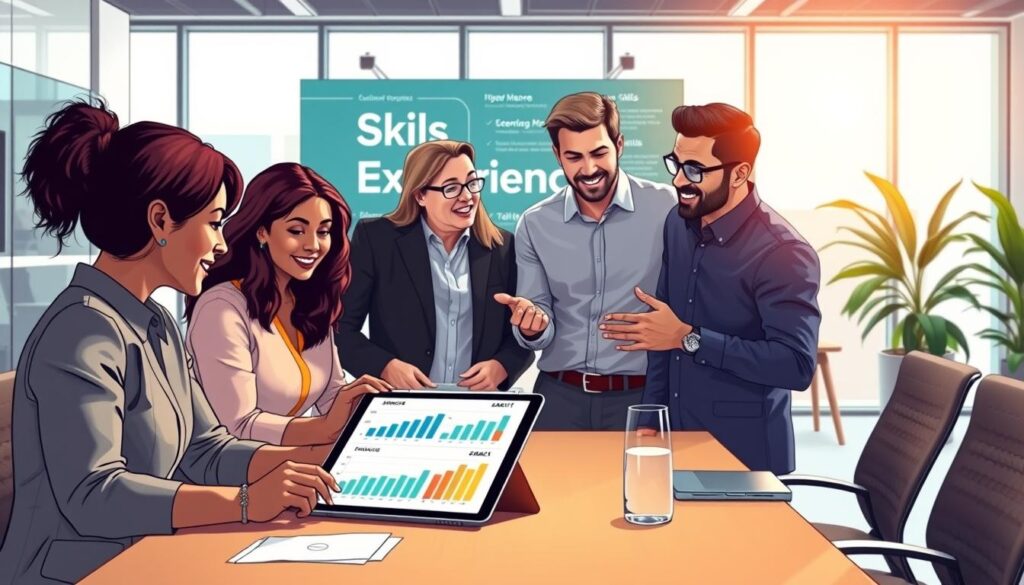
The modern workplace is changing a lot. You might see that old degrees aren’t the only way to a good job anymore. Today, 85% of employers look more at what you can do than where you went to school. This makes us wonder: Skills-Based Hiring: Does Experience Really Win?
Talent acquisition is changing fast. Companies now care more about what you can do than where you studied. This new way of thinking challenges old ideas by putting practical skills first, not just years in a job. You’ll see why this is becoming the best way to find top talent in a tough market.
Key Takeaways:
- Understand why 85% of firms now favor competency over tenure.
- Learn how to highlight your unique abilities to stand out.
- Explore the future of recruitment in the United States.
The Evolution of Recruitment Strategies
Today, companies are updating their recruitment strategy to meet modern workforce needs. They’re moving away from old ways that focused too much on credentials. Now, they value flexibility and choosing candidates based on real skills to stay ahead.
https://www.youtube.com/watch?v=HXJ34-iN5H4
Moving Beyond Traditional Degree Requirements
The tight labor market has made many firms rethink their hiring standards. This year, 45% of companies are dropping degree requirements. This change lets them find more candidates with the right skills, even without a degree.
This isn’t just about filling jobs. It’s about finding the best candidates. By looking beyond where they studied, you focus on what they can do. This is key to staying competitive in today’s fast world.
The Rise of Data-Driven Talent Acquisition
Modern businesses are using data-driven hiring to make better choices. They use ROI data to see how well their hiring works. This ensures their team has the right skills.
Using data-driven hiring helps avoid relying on guesses or biases. It gives a clear way to check if someone is right for the job. This shift in recruitment strategy helps build a stronger team by ignoring old degree requirements.
Skills-Based Hiring: Does Experience Really Matter?
The world of talent acquisition is changing fast. Now, it’s all about what you can do, not where you went to school. This change is moving away from old systems that missed out on great candidates.
Defining the Skills-First Approach
A skills-first approach looks at what you can do in a job. It’s not about your past jobs or where you studied. It’s about your demonstrable expertise in solving real problems.

Why Companies Are Moving Away from Resume-Centric Models
Today, businesses use data-driven hiring to get better results. Studies show 94% of employers think this method predicts job performance better than old ways. By focusing on skills, companies keep their new hires 9% longer than those picked by resumes.
Old resume models fail because they look at past achievements, not current skills. Your unique abilities might be more important than your CV. This change helps companies build diverse, capable teams ready for the future.
The Role of Artificial Intelligence in Skill Matching
Artificial intelligence is changing the hiring funnel by removing bias. These tools match your skills with job needs automatically. This makes the hiring process more efficient for everyone.
AI ensures no one is overlooked because of lack of traditional credentials. You can show off your technical proficiency and soft skills in new ways. This tech is key to a fair, merit-based workplace.
The Limitations of Relying Solely on Experience
Your hiring funnel might be leaking top talent if you focus too heavily on traditional experience. A long resume looks impressive but often doesn’t show a candidate’s true abilities. Relying on past roles as a measure of competence can lead to missing out on great candidates in a competitive labor market.
The Problem with Pedigree Bias
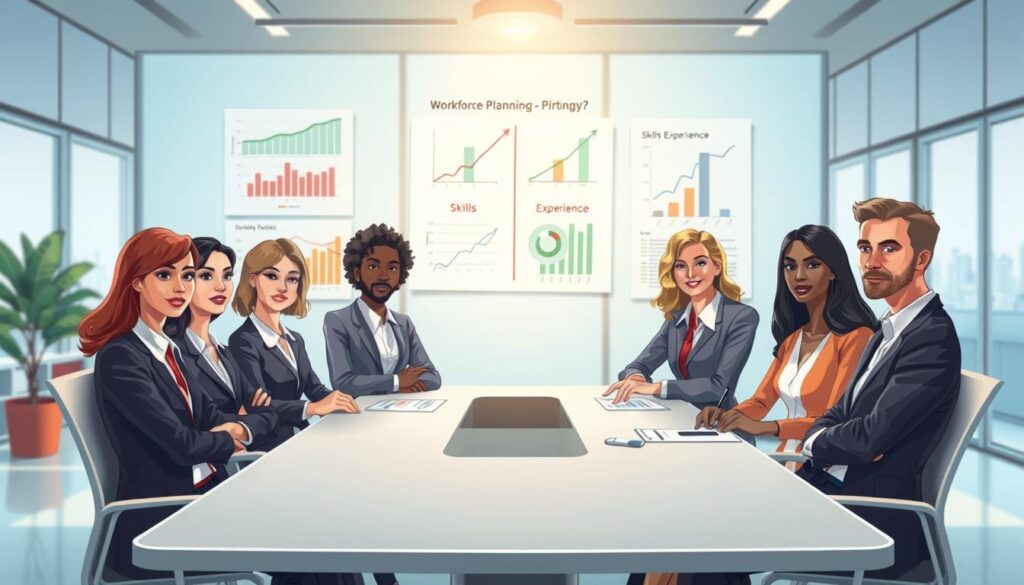
Many organizations fall into the trap of pedigree bias. They prioritize candidates from specific schools or prestigious companies. This narrow view of talent excludes individuals from diverse backgrounds. By focusing on where someone has been, you miss the unique value they could bring to your team.
How Experience Can Mask Skill Gaps
Years of service don’t always mean someone is up-to-date with modern tools or methods. When you enforce strict degree requirements, you often overlook candidates who have gained knowledge through other means. For example, Maryland saw a 41% increase in new hires without degrees after removing these barriers. This shows that experience is not the only indicator of success.
The Danger of Stagnant Skill Sets in Rapidly Changing Industries
In fast-moving sectors, skill gaps can grow if you rely on outdated hiring filters. A candidate with ten years of experience might have knowledge that’s no longer needed. Effective workforce planning means looking beyond tenure. It’s about finding candidates who can learn and adapt quickly.
Identifying and Assessing Core Competencies
Looking beyond the usual interview is key to finding the right talent. By focusing on measurable skills, you understand how a candidate will perform. This change helps your company make hiring decisions based on facts, not just feelings.
Implementing Practical Skills Assessments
To find the right skills, you need a tough skills assessment in your hiring process. This starts in Learning and Development but should reach hiring and planning for the future. Testing for specific skills early makes sure candidates have what it takes for the job.
This method helps spot skill gaps before they hurt your team. By linking these tests to your business goals, you align talent with growth. Standardizing these tests means every candidate is judged the same way.
Utilizing Work Samples and Simulations
Work samples and simulations show how a candidate tackles real challenges. Instead of guessing, you see them solve problems in a safe space. Many use artificial intelligence to make simulations that mirror daily tasks, giving a clear view of success.
Standardizing Evaluation Metrics for Fairness
It’s vital to have a fair evaluation system. You need clear, observable criteria for each skill to avoid bias. Using consistent scoring rubrics makes sure job performance is judged fairly for everyone, no matter their background.
By using these structured methods, you build a stronger, more capable team. This focus on objective measures not only boosts hiring quality but also promotes a fair and transparent work culture.
Balancing Raw Talent and Proven Track Records
Finding the right mix of new talent and seasoned pros is key in today’s recruitment strategy. Newcomers bring fresh ideas, while veterans provide the stability needed for complex tasks. It’s important to find this balance to build a strong team.
When Experience Remains a Critical Asset
Some jobs need a deep understanding of the industry that only comes with time. Roles like executive leadership or technical compliance require a proven track record to avoid big mistakes. Look for candidates who have handled similar challenges before.
But, too much focus on experience can slow things down. Use experience as a foundation for stability. But also keep an eye out for new, efficient ways of doing things. The goal is to use past knowledge while staying open to new ideas.
Developing Internal Talent Pipelines
Investing in your current team is vital for workforce planning. Focusing on internal mobility reduces hiring risks and boosts morale. When employees see a clear path for growth, they’re more likely to stay with your company.
Building talent from within helps you shape skills that fit your company’s culture. This creates a cycle of growth where knowledge is passed down. It turns your company into a self-sustaining growth engine.
Creating Hybrid Hiring Frameworks for Long-Term Success
To win over leaders, you need a clear plan backed by ROI data. A hybrid approach combines strict skills assessment with a focus on long-term growth. This ensures you’re investing in a future leader, not just filling a position.
By tracking the performance of these hybrid hires, you can improve your hiring process. Data-driven insights help you adapt to changing markets. This keeps your team agile, competitive, and ready for the future.
Conclusion
Switching to a skills-based model is key for today’s companies. It helps you move past the limits of pedigree bias in hiring. This way, you can find talent from a wider range of sources.
By focusing on internal mobility, you keep your best workers and fill important roles from within. This approach makes your company grow based on what people can do, not just their past achievements. It turns your HR team into a powerful tool for lasting success.
Clear competency mapping helps everyone see how to move up in the company. You build a stronger team by valuing what people can do over who they are. This keeps your company ahead in a changing world.
Changing your ways means being fair and always learning. By focusing on what your people can do, you ensure a bright future for your company. Start checking your current methods to see how you can better match talent with your business goals.