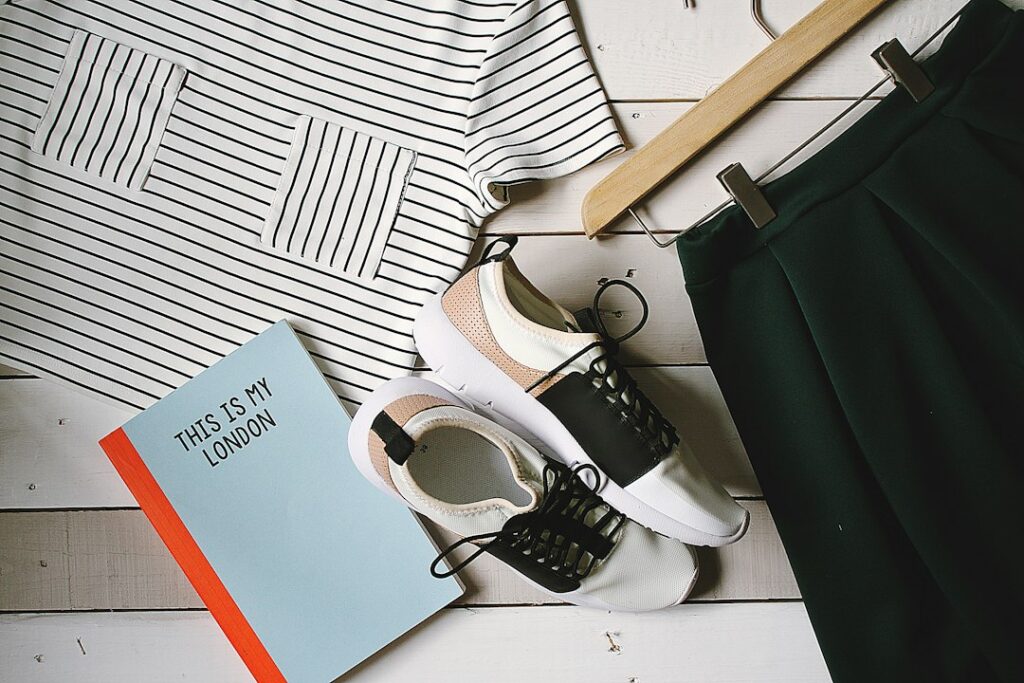
If you enjoy helping people choose clothes, AI may help you organize ideas and prepare a styling service. The value still comes from understanding the client, making thoughtful choices and delivering something usable. Access to an image generator or chatbot does not by itself establish styling expertise or create a profitable business.
Start with a small service you can explain in one sentence. For example: “I help a client assemble three outfits for a specific occasion from clothes they already own.” That is easier to assess than promising a complete AI wardrobe transformation.
Choose a bounded deliverable
Decide what the client receives: perhaps a brief consultation, an outfit sheet, a list of missing information and one revision. State whether shopping research is included, how many options you will prepare and when the work will be delivered.
Separate styling from services you cannot provide. Outfit suggestions do not include tailoring, verified sizing, professional color analysis or guaranteed product availability unless you have a specific, reliable process for those tasks. Describe your experience honestly.
For people exploring this first as a personal project, our article on building outfits from existing clothes covers the everyday workflow. Turning that activity into a service adds client communication, consent, cost control and responsibility for the finished recommendations.
Let the client define the brief
Ask about the occasion, budget, clothing already available, comfort preferences, footwear needs and practical constraints. Avoid assuming what someone should wear because of their age, gender or body shape. A client may want to feel more like themselves rather than follow a trend.
In a fictional example, a client attending a two-day conference wants comfortable shoes, layers for changing temperatures and outfits that fit in a small bag. Those are useful requirements. “Make this person look ten years younger” is an unnecessary promise and a poor substitute for listening.
Before collecting photographs, explain why you need them, where they will be used and how long you intend to keep them. Ask permission before using client material with an outside AI tool. A list or flat-lay photograph of clothing may be sufficient; face or full-body photographs should not be a default requirement.
Use AI to prepare options
Work from a factual inventory and the agreed brief. Ask the tool to explain its assumptions:
Suggest three conference outfits using only this clothing inventory. Follow the client’s stated comfort and packing requirements. List the pieces in each outfit, why they meet the brief and any question I need to ask the client. Do not invent garments, infer measurements or recommend purchases unless something essential is missing.
Review every option yourself. Does the combination use clothes the client actually owns? Does the footwear meet the brief? Is the same item needed in two places at once, or does the plan assume cleaning time the trip does not allow?
Generated try-on images need particular care. Google’s virtual try-on documentation explains that its generated previews do not indicate fit or suggest a size. A visual concept is not evidence that a garment will be comfortable, available or flattering to that particular client.
Make shopping advice checkable
If the agreed service includes shopping research, provide the actual retailer link and record when you checked it. Confirm the listed item, color, price, available sizes and return conditions at the retailer’s current page. Note anything you could not verify.
Tell the client if a recommendation involves payment to you, including an affiliate arrangement. Keep commercial interests separate from the reason an item meets the brief. Do not present sponsored placement as an independent personal recommendation.
The client should make the purchase decision unless you have a separate, explicit arrangement to buy on their behalf. Do not collect payment credentials in your styling notes or put them into an AI chat.
Price the work you actually do
List your preparation, consultation, research, revision and administration time. Include tool subscriptions, payment charges and other relevant costs. The U.S. Small Business Administration’s planning resources provide a starting point for thinking through business costs and the market you intend to serve.
A paid pilot can test whether the scope is clear and whether clients find the deliverable useful. Set expectations in writing, including changes, cancellations and what happens when the requested work falls outside your experience. Do not promise income based on hypothetical AI time savings.
After delivery, ask which recommendations the client used and which did not work. Track actual time and costs before expanding. If revisions repeatedly take longer than expected, change the scope or price rather than assuming more automation will solve the problem.
A small, honest service can be more useful than an impressive-looking system. AI can support your preparation; the client relationship and the quality of the final work remain yours to manage.
Updated September 25, 2026. This article was prepared with AI assistance; linked sources were checked during this update. It provides general information, not personalized professional advice. See our disclaimer.
Featured photograph: Toa Heftiba on Unsplash. Stock photograph for illustration, not a product test or customer example.


