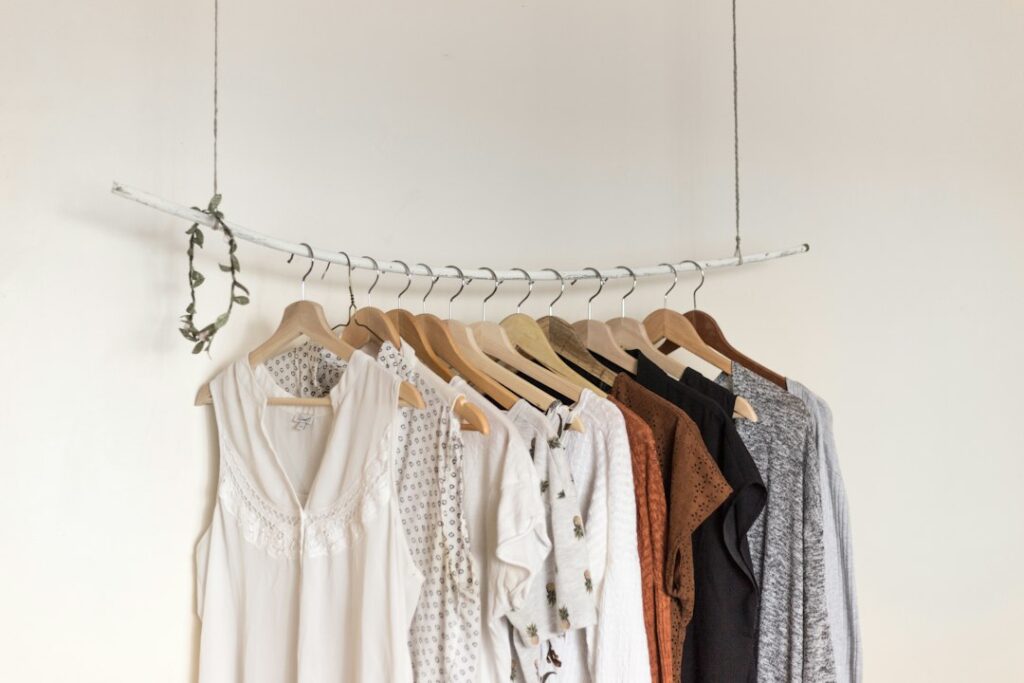
An AI styling session does not have to begin with shopping. It can begin with six things you already wear and a question: what could I put together for next week’s plans? A short inventory often gives an assistant more useful direction than “make me fashionable.”
At any age, the outfit needs to work for your body, preferences and day. You do not need rules about what people over 40 or 50 should hide, or a new wardrobe to satisfy an algorithm. Treat the suggestions as combinations to try.
Describe the day before the clothes
Start with the occasion, expected weather, walking or travel, and anything that affects comfort. A meeting followed by a long train journey has different requirements from dinner nearby. State your actual preferences: flat shoes, a soft waistband, pockets, layers or fabrics you like against your skin.
Include the dress code if you know it. If you do not, ask the host or workplace rather than relying on AI to infer it. “Business casual” can mean different things in different settings, so an example from the organizer is more useful than a universal rule.
You can explain your style as simply as “I like clean lines and neutral colors” or “I enjoy bright patterns.” Avoid prompts asking the assistant to judge whether your body is acceptable for an outfit. You are choosing clothes that serve you.
Make a small wardrobe inventory
List a few clean, wearable items with color, fabric, fit and any limitation. “Navy jacket, comfortable open but tight when buttoned” is more helpful than “blazer.” Note shoes you can actually walk in and layers that fit over one another.
A text list is sufficient. If you prefer photographs, lay the clothes flat or hang them against a plain background. There is no need to upload your face or body. Check images for addresses, documents and other details in the background before sending them to a service.
Do not ask AI to invent items you “probably have.” If its suggested outfit includes black shoes that are not in the list, ask it to revise the combination using only your inventory.
Ask for options with a reason
Suggest three outfits using only these clothes: [list items]. The occasion is [occasion], and I expect [weather and travel]. My priorities are [comfort and preferences]. For each outfit, explain why the pieces might work together and identify anything I need to check in person. Do not recommend purchases, judge my body, or apply age-based style rules.
For a fictional wardrobe of a navy jacket, white shirt, striped T-shirt, gray trousers, dark jeans and comfortable trainers, the assistant might propose the shirt and trousers for a more formal setting, or the T-shirt and jeans for a casual visit. The jacket can be an optional layer rather than a required addition to every outfit.
Those are suggestions to test, not promises about how they will look. The actual cut, fabric and condition matter. Ask for a second version if you dislike the first; you do not need to persuade the assistant that your preference is valid.
Try the real outfit before the day
Put the pieces on together and sit, stand, reach and walk as you normally would. Check whether the layers pull, the shoes rub or a fastening is awkward. Look in ordinary lighting. The outfit is successful if it works through the day, not just in a still photograph.
Make a quick note of a combination you liked. A private photo or a line in your wardrobe list can save repeating the exercise next time. If you keep changing the same outfit to follow new AI suggestions, return to your original priorities.
Understand the limits of virtual try-on
A generated try-on image can help you imagine color or styling, but it does not measure comfort or establish fit. Google’s explanation of its Try-on tool says generated images may change body features or clothing details and do not indicate fit or recommend a size. Other tools need their own checks; do not assume identical features or privacy practices.
If you choose to upload a personal photograph, review that service’s settings and terms first. Compare the generated image with the real garment, particularly sleeve length, closures, pockets and pattern placement. An attractive rendering is not evidence that those details will match.
Buy only when you find a real gap
After trying what you own, you may identify one missing item. Write down why it is needed and what it must do. Check the retailer’s size chart, garment measurements where provided, care instructions, total price and return conditions before ordering.
Ask AI to compare those facts, not to create a shopping list because it has run out of outfit ideas. Repairing, altering or reusing something may suit you better; get actual prices and advice for those options.
If planning clothes would help simplify a busy week, combine this exercise with a realistic weekly plan. Two outfits you enjoy wearing can be a better result than a large collection of generated looks you never use.
Updated September 24, 2026. This article was prepared with AI assistance; linked sources were checked during this update. It provides general information, not personalized professional advice. See our disclaimer.
Featured photograph: Priscilla Du Preez 🇨🇦 on Unsplash. The stock photograph illustrates the topic; it is not evidence of a product test or personal experience.


