Can AI Spot Health Decline Between Doctor Visits?

Can AI Spot Health Decline Between Doctor Visits?

You might see your doctor just once or twice a year. This leaves a big gap where your health is not checked. Modern technology is now changing this for people in the United States.

Advanced algorithms look at your personal data to find small patterns in your habits. With these digital tools, you can move from just treating problems to proactive care. This means systems can spot issues early, before they become big emergencies.

Software that looks at your wearable device data gives you a better view of your health. This medical monitoring keeps you updated on your body’s needs in real time. By using these new tools, you can take charge of your health journey with more confidence.

The Evolution of Continuous Health Monitoring

Your health journey is now beyond doctor’s offices. For years, we only saw doctors once a year. This missed important health patterns between visits.

From Annual Checkups to Real-Time Data

The move to continuous health monitoring changes how we see wellness. Now, you can track your health all day, not just in a doctor’s office. This gives a clearer view of your health.

Seeing trends over time offers insights a single visit can’t. Consistency is the key to spotting health issues early. This lets you manage your health with more accuracy and confidence.

The Role of Wearable Technology in Modern Healthcare

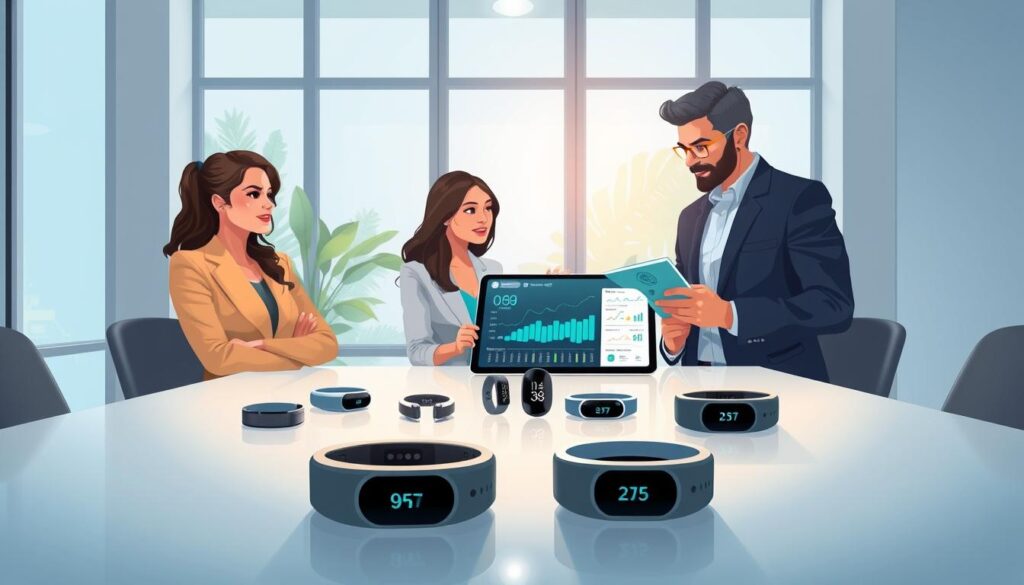
Wearable technology has led this health revolution. Smartwatches and fitness trackers act as personal health assistants. They track your heart rate, sleep, and activity without extra effort.

These devices fit into your daily life, making it simple to stay updated. They work in the background, capturing data when you’re most active. This detail is key for effective continuous health monitoring.

Can AI Spot Health Decline Between Doctor Visits?

Most health changes happen when you’re not at the doctor’s office. Missed medical appointments cost the U.S. healthcare system over $150 billion a year. So, finding new ways to track your health is key. Can AI spot health decline between doctor visits before a crisis? The answer is yes, thanks to the data from your daily activities.

How Machine Learning Algorithms Analyze Physiological Trends

Machine learning algorithms connect the dots between your doctor visits. They use data from your wearable devices to find patterns humans might miss. They look at your heart rate, activity, and movement to understand your health.

Identifying Subtle Deviations in Baseline Metrics

Your body has a unique baseline for health markers. Even small changes can mean trouble. AI-driven platforms are great at catching these small changes before you notice anything.

They compare your current data to your past to find oddities. This proactive approach lets you tackle health issues early. It turns data into useful information for your doctor.

Detecting Early Signs of Cardiovascular Stress

Heart health often shows signs of trouble first. Advanced sensors can spot tiny heart rate changes that mean increased stress levels or fatigue. Catching these signs early helps you make lifestyle changes before things get worse.

Monitoring Respiratory Patterns and Sleep Quality

Your sleep and breathing patterns reveal a lot about your health. Machine learning models check your sleep to find breathing or oxygen issues. Consistent monitoring means you get alerts if your sleep starts to slip, which can signal bigger health problems.

Key Technologies Powering Predictive Health Analytics

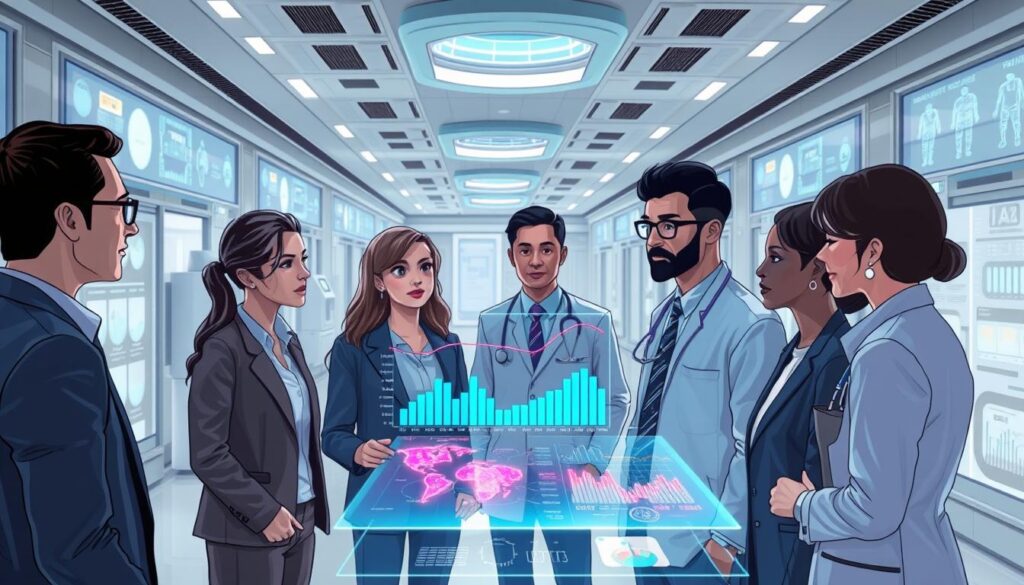
Modern medicine relies on digital tools to track your health. Predictive health analytics help doctors spot problems before they get worse. This uses both wearable devices and advanced software.

predictive health analytics

Smartwatches and Continuous Glucose Monitors

Smartwatches have become more than just step counters. They track your heart rate, sleep, and blood oxygen levels live. Continuous glucose monitors also help manage blood sugar levels without needing to prick your finger often.

This constant data flow helps catch early signs of health issues. If your device notices something off, it alerts you to act fast. This proactive approach helps prevent small problems from becoming big ones.

Remote Patient Monitoring Platforms

Remote patient monitoring platforms are the heart of your health data. They collect data from various sensors and show it to your doctors easily. This lets doctors watch your health without you needing to go to the clinic.

The main benefit of remote patient monitoring is the ability to care for you from afar. It makes your care more personal, based on real data, not guesses. This is key to modern, effective healthcare.

The Integration of Electronic Health Records with AI

The real magic happens when these technologies link to your electronic health records. AI can look through your medical history and notes for patterns. It can spot signs of health issues without extra work for your doctor.

By linking AI with electronic health records, your health is always being checked. This means no important details are missed between visits. It makes your healthcare more complete and responsive.

Benefits of Proactive Health Tracking for Patients

Modern tools can change how you see your health. By focusing on proactive health tracking, you get a better view of your health every day. This way, you can spot small changes early, before they become big problems.

proactive health tracking

Reducing Hospital Readmissions Through Early Intervention

Missing two doctor appointments can raise your risk of death by eight times in a year. This shows why consistent monitoring is so important. With early intervention, you can catch signs of trouble before they get worse.

Tracking your health regularly gives your doctors the info they need to adjust your care fast. This helps keep you out of the hospital and safe at home. It turns big health scares into small, easy fixes.

Empowering Patients with Personalized Health Insights

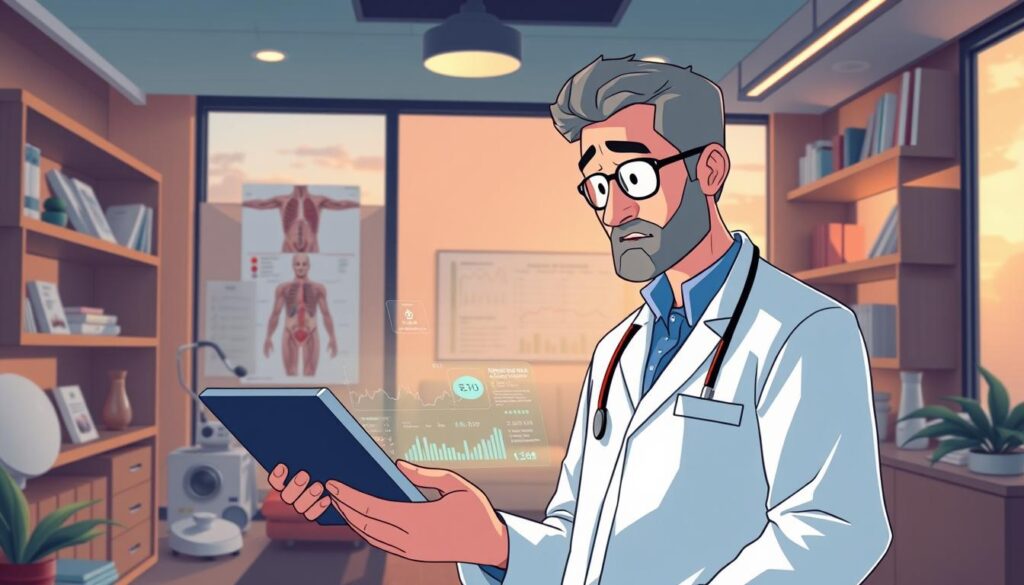
Today’s tech gives you personalized health insights that were once only in clinics. These tools show how your lifestyle affects your health. Whether it’s heart rate or blood pressure, you’re in charge of your health.

This insight is key for managing chronic conditions. You don’t have to guess how your body reacts to new treatments. You can see the trends and make smart choices every day.

Bridging the Communication Gap Between Patients and Physicians

Good chronic condition management needs clear info during visits. Digital health platforms let you share your health history easily. This seamless flow of data alerts your doctor to any issues early.

These tools make your doctor visits more productive. You can focus on finding solutions, not just remembering symptoms. This teamwork leads to better health and a better life for you.

Challenges and Ethical Considerations in AI Diagnostics

As you explore new diagnostic tools, it’s key to know the challenges they bring. These systems give a peek into your health future but raise big ethical questions. Transparency and security are critical in this digital shift.

Data Privacy and Security Concerns

Your health info is very personal and needs top protection. Wearable devices send your data to cloud servers for analysis. Ensuring strong encryption is vital to keep your medical history safe from hackers.

Always check if the platforms you use meet strict rules. Keeping your data privacy is not just a tech need; it’s a basic right. It ensures your sensitive info stays protected from breaches.

Addressing Algorithmic Bias in Health Data

AI systems learn from big datasets, but these can have flaws. If the data lacks diversity, it might lead to algorithmic bias. This could mean less accurate health advice for some groups.

Developers are striving to create more diverse datasets. This aims to ensure fair care for everyone. By spotting these gaps early, the goal is to offer equitable care for all patients, no matter their background.

The Importance of Clinical Validation and Physician Oversight

Technology should help, not replace, your doctor. Clinical validation is key to ensure AI tools are safe and accurate. You should know the insights you get have been tested in real medical settings.

In the end, physician oversight is the heart of quality healthcare. Your doctor adds human touch, empathy, and expertise that AI diagnostics can’t match. Together, tech and doctors can pave a safer, more reliable path for your health.

Conclusion

Your journey to better health begins with the data you collect daily. Artificial intelligence in your routine is a big step in healthcare. It lets you track small changes in your body early on.

Technology is a strong ally for your doctor. It doesn’t replace the need for human care and expertise. Instead, it gives a clearer view of your body’s patterns. This helps in more accurate talks during visits.

You are key in this new health landscape. By tracking your health with devices like an Apple Watch, you help improve outcomes. Take charge of your health today. Use these insights to strengthen your bond with your doctors for a healthier tomorrow.

Leave a Comment

Your email address will not be published. Required fields are marked *