
Information and education only. This article does not replace personalized medical advice. Consult a qualified healthcare professional about your situation, and never delay seeking care because of something you read here. Read our full disclaimer.
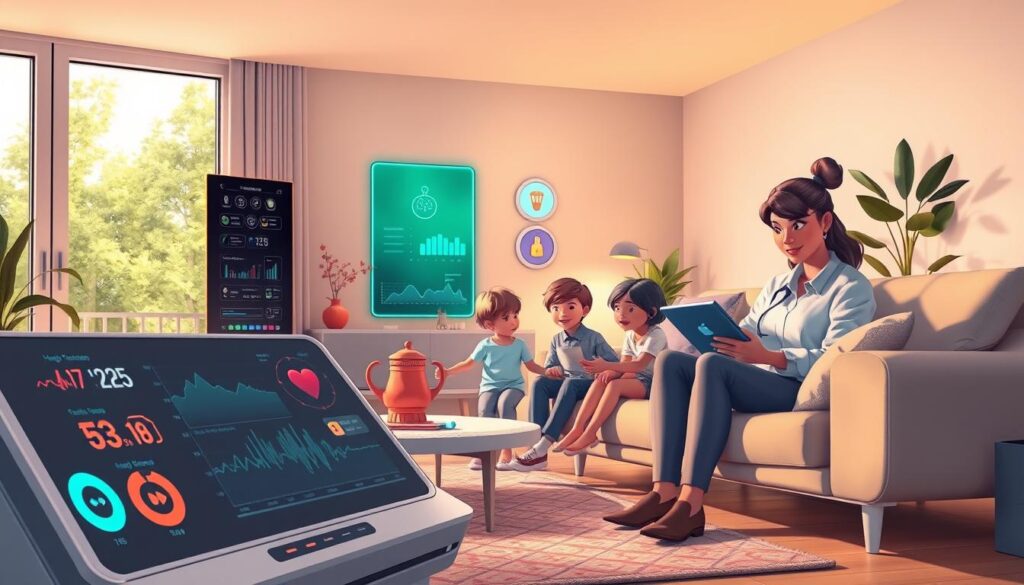
A smart home can collect useful information and help someone notice a change in routine. That does not make the house a medical professional or guarantee that it will detect an emergency.
Before buying a collection of sensors, choose one problem you want to address: receiving an alert, tracking a room’s environment, or sharing a measurement with a care team. Each calls for different equipment and a different response plan.
Start with the job you need done
Environmental monitoring, activity monitoring, and medical monitoring are different jobs. A room sensor may measure temperature. A movement sensor may detect activity. A medical device may measure a specific health parameter for a defined purpose.
The FDA explains that oversight of medical software is function-specific. A product’s presence in an app store, or its use of AI, does not establish that every health claim has been evaluated.
Ask the seller exactly what the product measures and what its output is intended to mean. Avoid buying a broad promise that a system “looks after everything.”
An alert still needs an explanation
A change in household activity can have several explanations: a visitor, a trip, a changed routine, a disconnected sensor, or a health concern. A system should not be assumed to distinguish those explanations reliably.
Before depending on fall detection or another alert service, ask about missed events, false alarms, coverage, power loss, internet failure, and subscription requirements. Find out whether it contacts a family member, a monitoring center, or emergency services.
Choose someone to respond, agree on a backup contact, and use the manufacturer’s test procedure. A notification with no response plan is an unfinished system.
Know the limits of air-quality readings
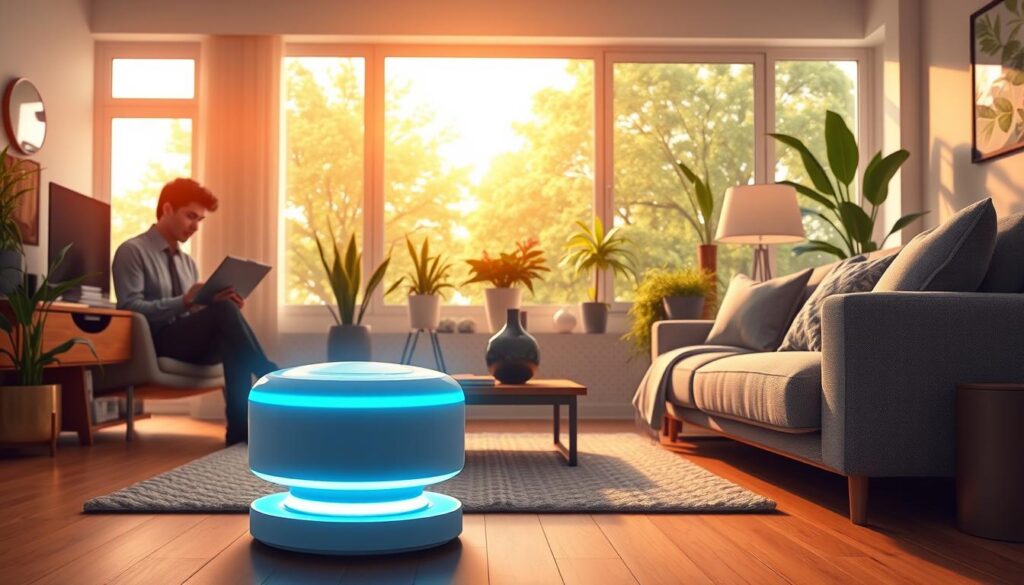
The EPA’s guidance on low-cost air monitors explains that these devices measure only the pollutants or conditions they are designed to detect. One favorable number does not show that every aspect of the air is safe.
For example, a particle sensor does not automatically detect carbon monoxide or radon. Consumer air-quality alerts also serve a different purpose from certified smoke and carbon-monoxide alarms.
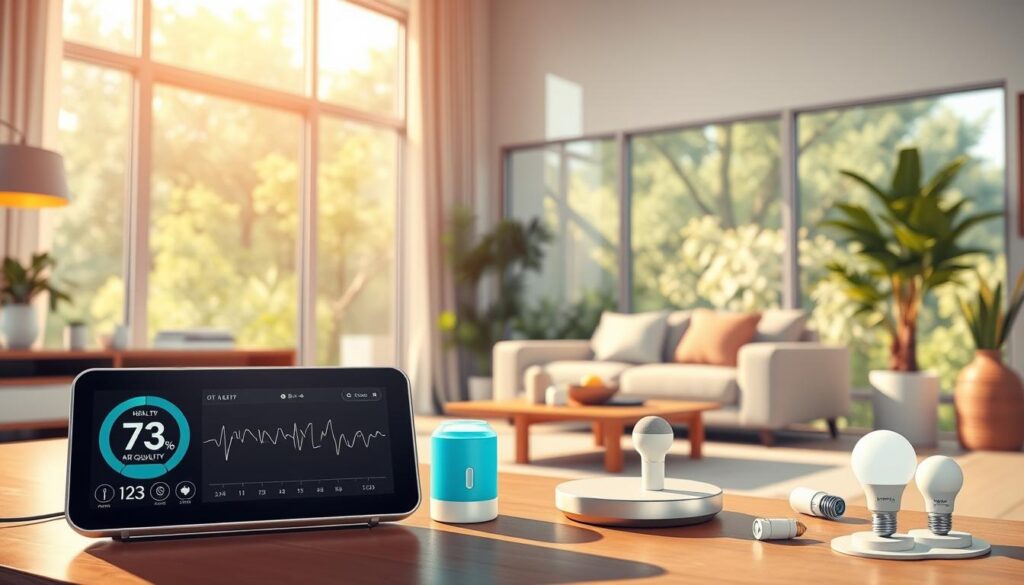
Check the sensor specifications before connecting readings to a fan, purifier, or other device. A humidity reading is not a medical assessment or a guarantee of better sleep.
For body measurements from watches and other devices, see our guide to health tracking between appointments.
Make monitoring acceptable to the people at home
Agree on what will be monitored and who can see it, especially when arranging technology for a parent or another adult. Convenience for a caregiver does not remove the other person’s need for privacy and control.
Compare local storage with cloud storage, but do not assume either eliminates security risks. Check update support, account protection, access permissions, and what happens to stored data when service ends.
Start with the least intrusive option that does the job. Review camera and microphone placement carefully, and give household members a way to understand or pause monitoring when appropriate.
Write the response plan somewhere accessible: what an alert means, whom to contact, and what to do when the system is offline.
A sensible first step
List the problem, the measurement you need, and the person who will act on it. Then compare one suitable device against those requirements before expanding the setup.
If the purpose is managing a medical condition, ask the care team what information would be useful and how they want to receive it. Do not assume they are watching a consumer dashboard continuously.
A carefully chosen sensor can be useful. The practical value comes from reliable measurements, consent, and a clear response—not from the number of AI features on the box.
Updated September 16, 2026.