An AI preview may help you imagine a jacket or dress in a different color or combination. It does not necessarily tell you whether the garment will close comfortably, feel right when you sit down or have enough fabric for an alteration.
Before relying on a clothing tool, identify what it actually does. A generated picture, a size recommendation, a measurement service and a tailor’s assessment answer different questions. The most convincing picture may provide the least useful evidence about real fit.
Read what the tool promises
A virtual try-on may place a simulated garment on a model or an uploaded photograph. A sizing tool may compare supplied measurements with product data. Another service may collect measurements using its own specified process. Do not assume these capabilities come together.
Google’s virtual try-on documentation, for example, says its generated previews do not indicate fit, suggest a size or establish product availability. It also warns that generated results can alter the appearance of a body or garment. Other tools need to be assessed against their own current instructions and limitations.
Ask: what information went into this result, what is it designed to estimate and what has not been checked? If the service cannot explain those basics, treat the output as a visual suggestion.
Start with the actual product
Open the retailer’s current listing for the exact item and version you intend to buy. Check the stated fabric, construction details, size chart, available sizes and return conditions. A chart for another brand or a similar garment may not apply.
Read whether a chart describes body measurements or the finished garment. Those are different: a garment may allow room for movement, and the intended fit matters. Confirm the units and follow the retailer’s measurement instructions rather than letting AI guess from a photograph.
If you compare with a garment you already own, note how it was measured and how you like it to fit. A useful comparison depends on comparable measurements, not simply matching a familiar size label.
Use AI to organize numbers, not invent them
You can paste a public size chart and your own measurements into a tool without including your name or a photograph. Ask it to transcribe the table carefully and identify missing information before suggesting what to ask the retailer.
Compare this product size chart with the measurements I provide. State the units and whether the chart describes the body or the garment. Keep unknown details marked unknown. Show the relevant numbers side by side and list questions for the retailer. Do not infer stretch, comfort, measurements or a guaranteed size from a photo.
Check the copied numbers against the original chart yourself. A reversed column or confused unit can make a tidy answer useless. If the chart is incomplete or you fall between listed measurements, ask the seller about that item rather than expecting AI to resolve the uncertainty.
For a fictional example, a buyer might find that one listed size matches their waist while another matches their hips. The useful result is identifying the mismatch and asking about the garment’s design and fit, not claiming an algorithm has selected a perfect answer.
Share only the photographs you need to
Before uploading a personal image, read what the service says about storage, reuse, deletion and account settings. Consider whether a less identifying image or a tool that works from measurements would meet the same need.
Get permission before using another person’s photograph. Do not assume deleting a chat removes every copy held by a service; use its current privacy information to understand what controls are available. A clothing purchase rarely requires sharing unrelated personal or health information.
An alteration needs the real garment
A generated “after” image is not proof that a tailor can achieve that result. Fabric condition, construction, lining, seam allowances and the change requested all affect what may be possible. Some details cannot be assessed reliably from a photograph.
Ask the alteration provider what it needs to inspect and measure. Confirm the proposed change, price or estimate, fitting arrangements, turnaround and any shipping responsibilities. If buying an item specifically to alter, check how alteration affects the seller’s return terms before committing.
Do not cut a garment based on an AI preview or an unverified set of dimensions. Use the assessment and instructions of the person responsible for the actual work.
Make the final decision in real life
When an order arrives, follow the retailer’s conditions for trying it on and keeping it returnable. Check comfortable movement, sitting, reaching and fastening, as appropriate to the garment. Compare the real item with what you ordered rather than judging yourself against the generated picture.
Once fit is settled, AI may help with a separate question: how to combine the item with clothes you already own. Use the preview for ideas, measurements for questions and the actual garment for the decision.
Updated September 25, 2026. This article was prepared with AI assistance; linked sources were checked during this update. It provides general information, not personalized professional advice. See our disclaimer.
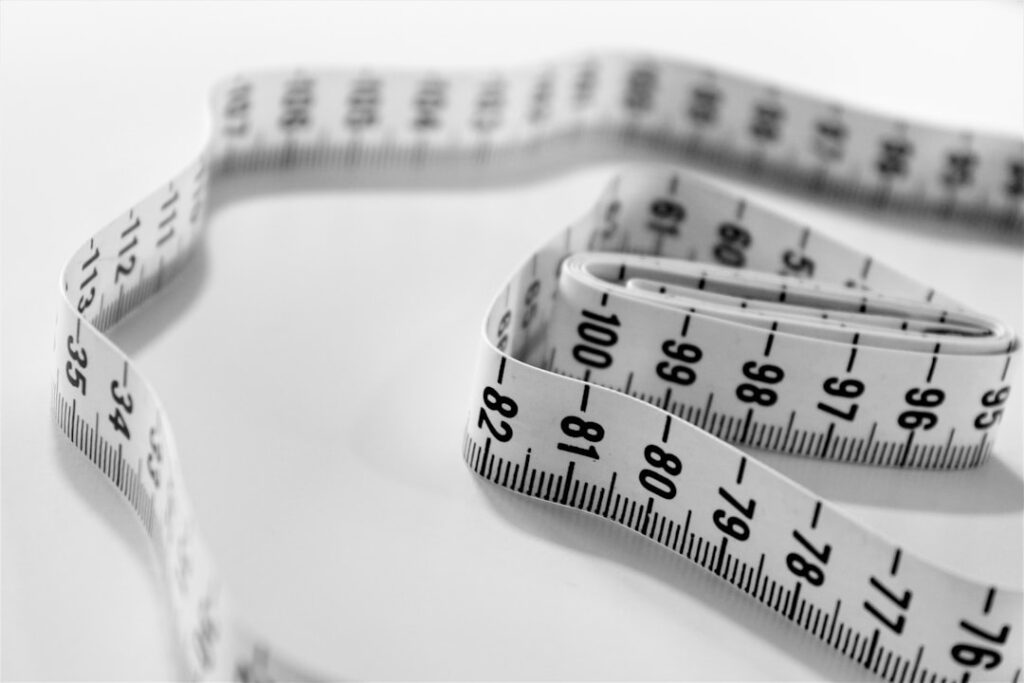
Featured photograph: Siora Photography on Unsplash. Stock photograph for illustration, not a product test or customer example.


