

You probably use old documents to define roles in your company. But these papers are becoming less important as work changes fast. The End of Job Descriptions: Work Becomes Tasks shows a big change in how companies work today.
Skills change quickly, with a half-life of under five years. This makes old hiring documents almost useless right away. To stay ahead, you need to move to a skills-based job architecture. This lets your team focus on what they can do, not just their title.
Breaking down big projects into smaller parts makes your team more agile. This new way of working keeps your business competitive in a fast market. It’s time to change how you organize your team for better results.
The Shift from Static Roles to Dynamic Task-Based Work
The old job descriptions are fading away. Companies are moving to a more flexible way of working. This change lets you focus on the work, not just a title.
Companies now value being adaptable over staying in one place for a long time. This makes the workplace more resilient. Flexibility is key to success today.
Moving Beyond the Traditional Job Title
Job broadbanding groups similar roles together. This breaks the limit of growing within a single role. You can now explore different paths in a career lattice.
This change lets you try out different areas without needing a new title. You focus on projects, not just positions. This way, you build a wide range of experiences that are highly sought after.
The Rise of the Skills-First Economy
In a skills-first economy, your skills are more important than your job title. Companies use skills-based job architecture to find and use the talent they have. This makes it easier to move around within the company.
They use dynamic role cards to match skills with project needs. This lets you keep growing as the company’s needs change.
Why The End of Job Descriptions: Work Becomes Tasks is Happening Now
Companies are facing pressure to change how they organize work and use talent. The old way of fixed roles doesn’t match today’s fast pace. So, leaders are starting a big job architecture redesign to stay ahead.
Technological Advancements and Automation
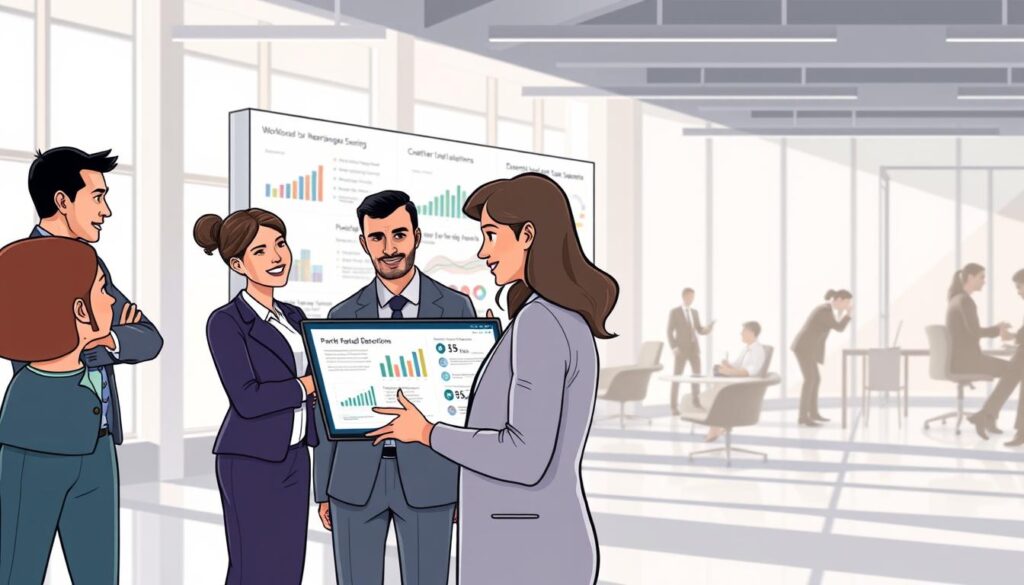
Artificial intelligence and automation are changing work. They handle routine tasks, freeing you to focus on creative work. To keep up, companies need to use skills intelligence to plan for future needs.
Your value is now in adapting to new tech and workflows. Companies that don’t adapt risk being left behind in a digital world.
The Demand for Organizational Agility
In today’s market, organizational agility is key to survival. Businesses must quickly adapt to new customer needs and global changes. Good workforce planning means focusing on projects, not fixed departments.
Breaking down silos lets teams form and change based on task needs. This way, you can use your skills where they’re most needed. It makes a more flexible environment where strategy guides talent use.
How Remote Work Redefined Productivity
Remote work has changed how we see success and output. The old “nine-to-five” model is fading. Companies now focus on results, not just hours worked. With workforce intelligence, managers can track progress in remote teams better.
This new era supports a career lattice approach. Your career can grow in many directions, not just up a vertical ladder. You can build a diverse skill set for the future of work.
How Your Daily Workflow Changes in a Task-Oriented Environment
In today’s workplace, your worth isn’t just about your job title. It’s about the results you achieve. This change means you need to think differently about how you spend your time and measure success. You get to use your talents where they’re most needed, without being stuck in one role.
Prioritizing Outcomes Over Hours Spent
Older work setups often focus on how long you work, not what you achieve. But in a task-focused world, it’s all about the quality and impact of your results. A skills-based pay model rewards you for your skills in specific projects, not just your job title or how long you’ve been there.
Your days become more meaningful when you focus on what you’ve accomplished. This way, you work more efficiently to reach your goals, not just longer.
Managing Your Personal Portfolio of Projects
You’re no longer tied to one department. Instead, you manage a collection of projects that match your interests. This setup boosts internal mobility, letting you move between teams to tackle big challenges. You become a flexible team member, ready to adapt to the company’s needs.
Developing a Task-Centric Mindset
Thinking in a task-focused way means seeing your work as a series of tasks, not just a job. This flexibility is key for staying agile in a fast-changing market. It makes you more adaptable and ready for new challenges.
Leveraging Collaboration Tools for Task Tracking
To thrive, you need to get good at using digital tools to track your work. These tools help you stay on top of your projects, supporting job broadbanding. By keeping your progress up to date, you make sure everyone knows what you’re doing.
Navigating the Challenges of Skill-Based Assignments
Adapting to a world without rigid job descriptions is key for long-term career success. In a task-oriented environment, you might feel unsure about your daily tasks. This shift needs a proactive approach to manage your contributions and growth.
Overcoming the Ambiguity of Role-Less Work
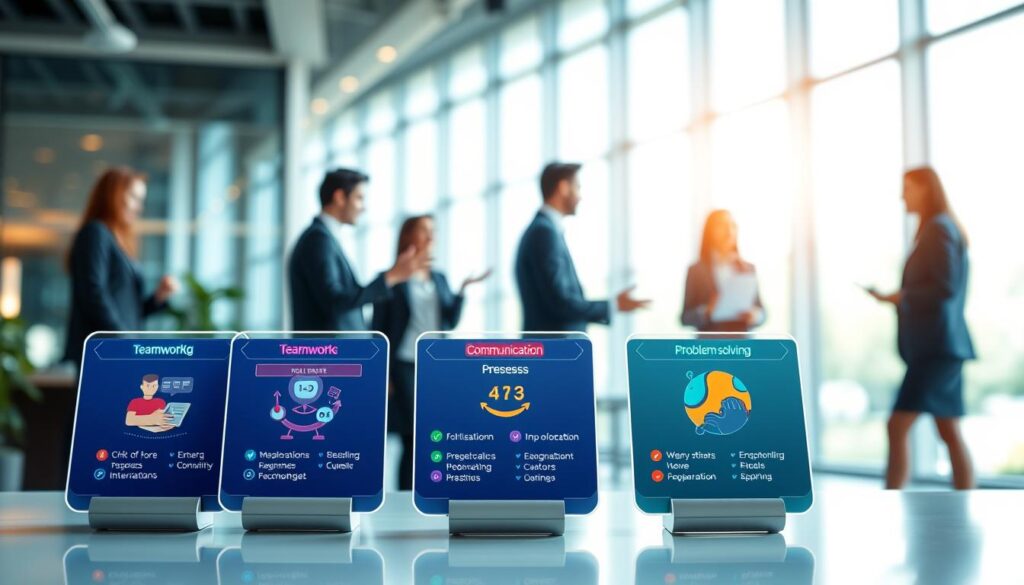
When traditional boundaries fade, defining your specific value can be tough. Organizations use dynamic role cards to provide clarity without trapping employees in static boxes. These tools help you see which tasks match your strengths at any time.
Embracing this flexibility lets you adapt quickly as business needs change. Instead of waiting for a manager to assign a role, you can find projects that match your evolving skills. This freedom keeps you engaged and productive.
The Importance of Continuous Upskilling
To thrive in this new landscape, treat learning as a constant habit. Use skills intelligence platforms to find which talents are in demand. By staying ahead of these trends, your work stays relevant and impactful.
Don’t wait for formal training to dictate your development path. Take charge of your growth by seeking micro-credentials or collaborative projects. Continuous learning is the best insurance for your career longevity.
Maintaining Professional Identity Without a Fixed Title
Many people find comfort in a job title, but your professional identity is built on the problems you solve. A job architecture redesign often shifts focus from “who you are” to “what you can do.” This empowers you to showcase a diverse portfolio of achievements, not just one label.
Focus on documenting your project outcomes and the skills you used to achieve them. When you communicate your value through your contributions, you build a brand that’s resilient to change. Your expertise is your most portable asset in a world that values agility over hierarchy.
Conclusion
The shift toward The End of Job Descriptions: Work Becomes Tasks is here to stay. You should see your career as a journey of growing skills, not just a job title. This way, you stay relevant even when roles change fast.
Smart companies now focus on planning their workforce to meet new goals. They use advanced tools to spot skill gaps early. This keeps your work valuable as technology changes your tasks.
Using a skills-based pay model rewards your real skills and work. It’s better than old systems based on how long you’ve been there. It makes sure your growth matches your value to the team.
You can shape your career by always learning. Companies that adapt will lead their fields. Start planning your skills for new tasks today to thrive in the fast-changing world.