Clothing rental can be worth considering for a particular event or a period when you want more outfit choices. AI can help compare the details, but it cannot guarantee fit, reserve an unavailable garment or know how many times you will actually wear it.
Begin with your calendar and the clothes you already own. A subscription that looks appealing in a catalog may be poor value during a quiet month. One well-chosen rental may serve a different need from a recurring box of everyday clothes.
Write down the problem you want to solve
Is the need a wedding outfit on a fixed date, clothing for several work events, or a chance to try a different style? Those questions lead to different comparisons. Specify the occasion, weather, dress expectations, dates and maximum total cost.
List what you already own that could work. Our article on building outfits from your existing clothes offers a useful first step. Renting becomes easier to evaluate when it is compared with a real alternative rather than an empty wardrobe.
You can ask AI to help using a written list of preferences. It does not need a full-body photograph, social-media account or private calendar to compare sleeve lengths, colors and budget constraints. Share only the information needed for the task.
Compare the actual plan, not the advertising headline
Look at the provider’s current information for your location. Separate a one-time reservation from an ongoing subscription. Confirm the normal price after any promotion, what is included, taxes or extra charges, shipping arrangements and how billing stops.
Rent the Runway’s subscription page explains that plan differences include shipment frequency and that some styles are reserved for one-time rentals rather than subscription access. A garment appearing on the website therefore does not establish that it is included in your chosen plan.
Nuuly’s current FAQ says saving an item to your closet does not hold it for you. It also explains the relationship between returns and the next box becoming available. These are examples of details that matter more than a chatbot’s general ranking of rental services.
Ask an assistant to compare two sets of official terms you provide. Require a source and checked date for each entry. Leave information marked unknown when it is missing rather than accepting an inferred policy.
Compare these two clothing rental options for the dates and needs below. Show recurring cost, included items, availability limits, return steps, billing or cancellation requirements, and unresolved questions. Do not assume a saved item is reserved or that a subscription includes every style on the site.
Calculate cost per actual use
Here is a fictional example using a hypothetical total rental cost of $100, not a provider’s quoted price. If you wear the rented clothes for one outing, the cost is $100 per outing. If you use them on four outings, it is $25 per outing. Four items in a delivery do not automatically mean four useful wears.
Include extra charges that apply to your case and consider the time needed for receiving, trying on and returning the clothes. Compare this with an existing outfit, borrowing with permission, or buying an item you expect to wear repeatedly. There is no single best answer for every event.
A low introductory price should not be the only number in the comparison. Record the renewal date and ordinary recurring charge if you choose a subscription. Returning clothes and canceling billing may be separate steps; confirm both with the provider.
Check fit and have an event backup
Read the item’s measurements or size guidance, fabric information and relevant fit notes. Compare them with a garment you know fits comfortably. A review from someone with similar measurements can provide context, but it does not guarantee the same result.
An AI styling image is not evidence that a rented garment will fit your body or move comfortably. Our article on checking fit beyond the AI preview explains the limits of visual previews.
For a fixed-date event, verify the delivery window and what happens if the item is late, unsuitable or unavailable. Leave time to try it on and keep an existing outfit as a practical backup. Do not depend on a chatbot’s estimated shipping date.
Inspect the clothes and finish the rental properly
When the order arrives, inspect condition and fit promptly. Document an existing issue and contact the provider through its official channel. Follow its care instructions rather than assuming you should wash, alter or repair a rented item yourself.
Read the current rules for damage, loss, returns and proof of shipment. Keep the return receipt until the account shows the return has been processed. Set your own reminders for the necessary dates; a suggested reminder in an AI answer is not an active notification.
Finally, evaluate what you actually wore and whether the process suited your schedule. Avoid assuming rental is automatically cheaper or environmentally preferable in every case. Its value for you depends on real use, costs and practical arrangements, not how personalized the recommendations sound.
Prepared with AI assistance and checked against the linked sources. Reviewed September 27, 2026. This article is for general information. See our disclaimer.
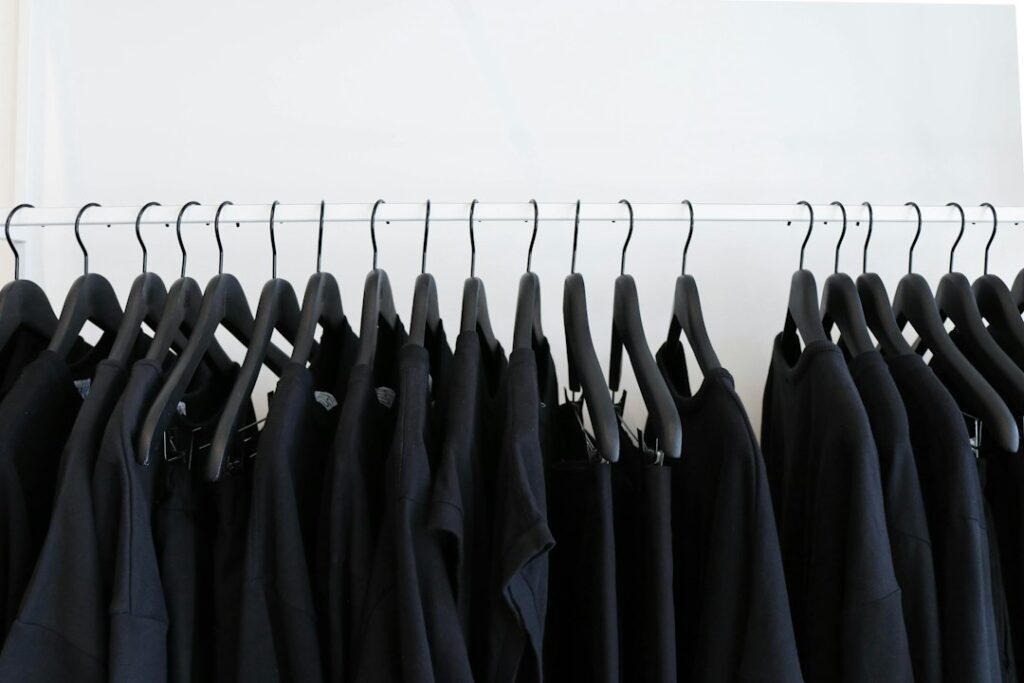
Featured photograph: No Revisions on Unsplash. The stock photograph illustrates the topic and is not a demonstration of an AI tool’s output.


