AI can help turn an idea into a script, organize an edit or draft captions for TikTok. It cannot guarantee that people will watch, trust or pay for the result. A practical starting point is a useful video about something you know, followed by a careful check of what you are asking viewers to believe.
You do not need to copy a teenage creator’s presentation style or make age your niche. Work experience, a hobby or a question you recently solved can provide material. Choose a format you can sustain alongside the rest of your life.
Answer one real question
Start with a small promise: how to organize a workshop drawer, what to check before uploading a family photo to an AI tool, or how to compare two versions of a cover letter. Avoid promising expertise you do not have, particularly on health, legal or money matters.
Write the answer in your own notes before asking AI to structure it. Decide what viewers should be able to do afterward and what evidence you can show.
Help me structure a short video answering this question using only my notes. Suggest an opening that accurately states the benefit, a clear sequence and a closing action. Mark missing facts. Do not invent personal experience, research, testimonials or results.
Read the script aloud and cut anything that delays the answer. Use enough time to explain the subject accurately. A fifteen-second clip and a longer tutorial serve different purposes; there is no single ideal length for every goal.
Make the evidence yours to use
Record your own demonstration or use material you have permission to publish. Replace private information in screen recordings with fictional examples, and identify examples as fictional where that matters. Check notifications, browser tabs and reflections before sharing.
If you use AI-generated illustrations, inspect each one for incorrect details and misleading implications. A synthetic scene of an event is not evidence that the event happened. Do not use a person’s face or voice to suggest participation or endorsement without appropriate permission.
Keep a simple project note listing your factual sources, asset permissions and what AI contributed. This makes corrections easier and helps you explain your process without claiming the whole video was filmed or tested when it was not.
Edit for someone watching on a phone
Check captions against the actual audio, especially names, dates and numbers. Use readable text with adequate contrast, leave enough time to read it and keep essential content away from interface overlays. Watch once with sound off to see whether the main point remains understandable.
Then listen without watching. Can a viewer follow the explanation without reading tiny text? Avoid music that competes with your voice. Preview the full export to catch cropped faces, missing objects, bad transitions or an ending cut short by a template.
For a repeatable editing process, see the video-editing workflow. You can apply the same final checks even when making videos only for yourself.
Use the correct disclosures
TikTok requires labeling AI-generated content containing realistic images, audio or video. Review its current examples and prohibited-content rules before publishing. An AI label does not make otherwise prohibited or deceptive content acceptable.
AI disclosure and commercial disclosure answer different questions. TikTok’s commercial-content guidance requires the content disclosure setting when promoting a brand, product or service. Explain sponsorships or affiliate relationships clearly as applicable; a vague hashtag should not carry the whole explanation.
Check music rights for the actual use. A sound available for an ordinary personal post may not be cleared for promotional work. Use TikTok’s commercial music guidance and retain any separate license you rely on.
Check monetization before budgeting for it
The old Creator Fund has been replaced by Creator Rewards. The program’s eligibility page lists requirements including at least 10,000 followers and 100,000 video views during the previous 30 days. Eligible videos must be original, high-quality and at least one minute long. Location, account and other conditions also apply.
Verify your own eligibility in TikTok rather than assuming a generated video qualifies. Program access, qualified views and payments are not assured by reaching a posting target. Short promotional videos may serve a business purpose without meeting a rewards program’s requirements.
If you later consider sponsorships or selling your own service, assess whether the offer genuinely fits the audience. Do not invent testimonials or imply you used a product you have not used.
Learn from a small series
Make three videos answering related questions, then review where viewers stop watching, what they ask and whether the promised answer is clear. Change one element at a time. Treat modest or inconsistent results as information, not a reason to buy automated engagement or mass-produce filler. Useful, accurate videos give you something concrete to improve.
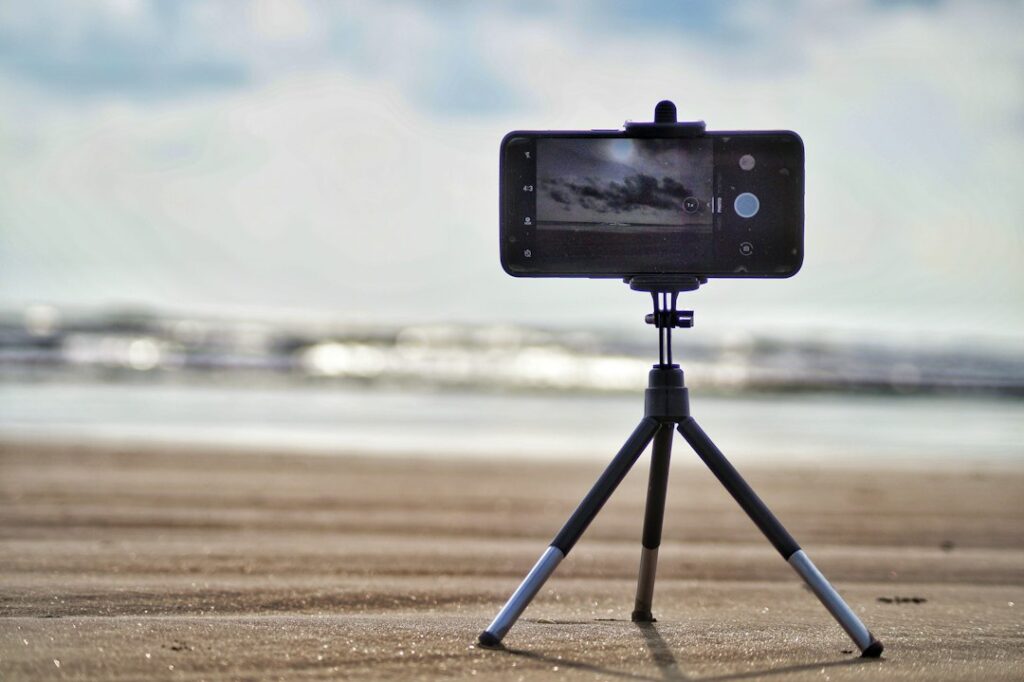
Featured photograph: Adesh Bankar on Unsplash. Illustrative stock photograph; it does not depict an AI-generated result or a tested product.
Updated September 26, 2026. This article was created with AI assistance. For general information; check current product terms and obtain qualified advice where appropriate. Read our disclaimer.


