
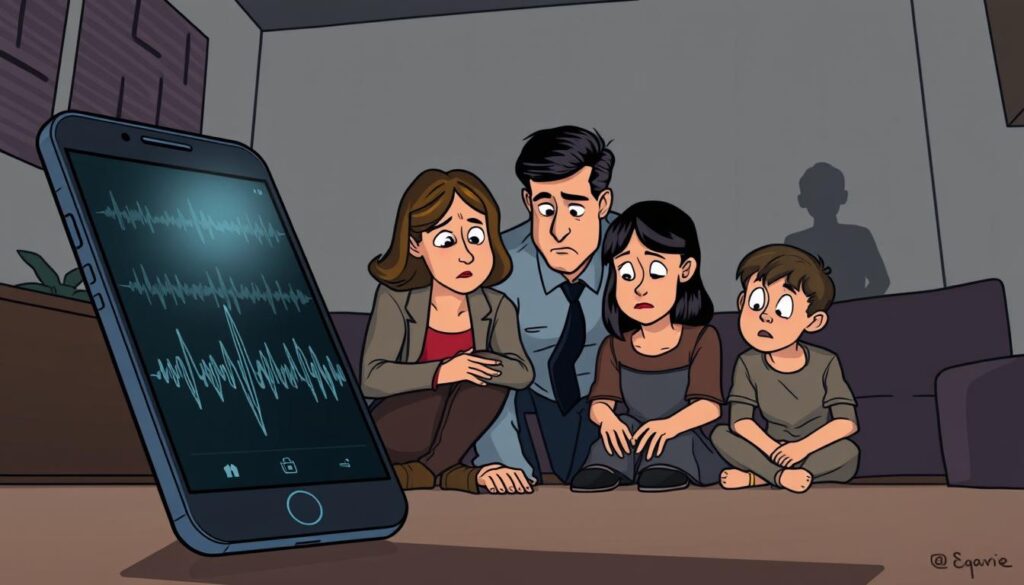
Imagine getting a call from a loved one in trouble. You think it’s them, but it’s actually a scam. Criminals use advanced tech to sound just like people you know.
A convincing scam needs just a short clip. Never assume a voice sounds right. Instead, pause right away.
Use a secret way to check if it’s real before sharing money or personal info. Being careful keeps your money safe from today’s digital dangers.
Why AI Voice Scams Sound Convincingly Personal
You might think you would recognize a family member’s voice instantly, but AI is changing that reality. Modern deepfake audio technology can now replicate the unique cadence, pitch, and tone of a person you know well. When these AI-generated voices reach your phone, they often trigger an immediate, protective emotional response that bypasses your natural skepticism.
How Voice Cloning Turns Short Audio Clips Into Fake Calls
Criminals no longer need hours of audio to create a convincing clone. They can harvest just a few seconds of speech from social media videos, voicemails, or public interviews. Once they have this sample, they use specialized software to generate a synthetic voice that sounds remarkably like your relative.
This process allows scammers to script whatever they want the voice to say. Because the underlying vocal patterns are authentic, the resulting deepfake audio feels startlingly real to the listener. It is a powerful tool that turns simple digital footprints into dangerous weapons.
Why Urgency, Fear, and Familiar Details Lower Your Guard
Scammers often combine high-tech voice cloning with psychological manipulation. They may mention specific family events, recent travel plans, or even nicknames to build instant trust. By weaving these familiar details into the conversation, they make family phone scams feel deeply personal and urgent.
The goal is to induce a state of panic. When you believe a loved one is in trouble, your brain focuses on the emergency. This fear-based approach is designed to make you act quickly without verifying the situation.
Warning Signs That a Loved One’s Call May Not Be Genuine
Even when a voice sounds perfect, certain behaviors should raise immediate red flags. Scammers rely on specific tactics to keep you from realizing you are being deceived. Staying alert to these patterns is your best defense against family phone scams.
Requests for Money, Gift Cards, Account Access, or Secret Transfers
Be extremely cautious if the caller asks for unconventional payment methods. Legitimate organizations or family members in distress rarely demand payment via gift cards, wire transfers, or cryptocurrency. If the caller insists on secrecy or asks for sensitive account passwords, treat the request as a major warning sign.
Pressure to Stay on the Line or Avoid Calling Anyone Else
A common tactic used by those behind AI-generated voices is to keep you isolated. They may pressure you to stay on the line until a transaction is complete to prevent you from calling other family members for verification. If you feel rushed or discouraged from hanging up to check the facts, it is likely a scam.
The Deepfake Phone Test Every Family Needs
You can protect your home from voice cloning scams with a simple four-step plan. The Deepfake Phone Test Every Family Needs helps you stay in control when someone tries to trick you. By being careful, you take away the scammer’s power.

Step 1: Pause Before You Answer the Request
Scammers count on your quick reaction to fear. When you get a call asking for money or personal info, take a deep breath. Just a few seconds can help you think clearly instead of reacting emotionally.
Step 2: Ask a Private Family Verification Question
To check if it’s really someone you know, ask a private verification question. This is like a digital lock. If the caller is fake, they’ll struggle to answer.
Choose a Question That Cannot Be Found on Social Media
Don’t use questions that are easy to find online, like birthdays or pet names. Pick a family safe word or a unique family memory. The best questions are those that only you and your family know.
Use a Shared Phrase or Memory Without Revealing the Answer
When you ask your question, don’t give any hints. For example, ask about a family picnic without giving away the location. Never give away the answer during the call, as a smart AI might be listening.
Step 3: End the Call and Contact the Person Through a Trusted Channel
If the caller can’t answer right or keeps pushing, hang up. Don’t try to talk them down. Instead, call your relative back from a saved number or a known number.
Step 4: Confirm the Situation With Another Family Member
After you talk to your relative, check if their story checks out. If you’re not sure, ask another family member to confirm. Verifying the facts through different people is the safest way to avoid scams.
How to Handle an Urgent Call While Protecting Your Information
When your phone rings with an urgent request, staying calm is key. Many urgent scam calls aim to make you panic. By staying calm, you keep control and protect your data.
Keep the Caller Talking Without Agreeing to Send Anything
If you think the call is a scam, keep them talking. Don’t send money or gift cards. Listen carefully but don’t agree to any financial actions.
Verify the Caller’s Identity Without Sharing Personal Details
Good caller identity verification means keeping your info private. Don’t give out your Social Security number or bank details. If they claim to be someone you know, ask questions they should know but don’t answer yourself.
Use a Known Phone Number Instead of Calling Back the Incoming Number
Don’t trust the number on your screen or given by the caller. Scammers can make fake numbers look real. Hang up and call a trusted phone number instead.
Check Saved Contacts, Official Websites, or Existing Text Threads
Use a trusted source to find the right contact info. Check your contacts, official websites, or text threads. Taking this extra step helps confirm if it’s a real person.
Recognize Common Impersonation Scenarios Involving Relatives and Officials
Scammers use scripts to create a crisis. Knowing these tactics helps you stay alert.
Fake Kidnapping, Jail, Hospital, Travel, and Emergency Claims
Be cautious of calls about loved ones in trouble. These emotional traps aim to scare you. Always check these claims through a trusted source before acting.
Impersonation of Banks, Employers, Government Agencies, and Law Enforcement
Fraudsters often pretend to be from the IRS or your bank. They might threaten legal action. Remember, legitimate agencies won’t demand payment over the phone or ask for your security details.
Family Safeguards to Set Up Before a Deepfake Call Happens
Keeping your family safe is more than just knowing about threats. It’s about having a plan ready before trouble strikes. By taking action now, you can create a strong defense against digital impersonators.
Create a Family Verification Plan Everyone Can Follow
Creating a family verification plan is key. It helps everyone know how to deal with unexpected calls. Pick a trusted way to check if urgent news is real. If someone calls saying a family member is in trouble, call that person back to confirm.

Choose a Private Code Phrase and Update It Periodically
A secret emergency code phrase is a great way to check if a caller is who they say. Choose something unique and not easily guessed. Keep it private and change it often to stay safe.
Limit the Audio and Personal Information Available Online
Keeping your social media private is very important. Scammers use the internet to find voices to clone. By limiting who sees your profile, you make it harder for them to find what they need.
Review Public Social Media Videos, Voice Messages, and Livestreams
Check your public content, like videos and voice messages. These can be used by scammers. Make sure your accounts are private to keep your media safe.
Set Financial Rules for Emergency Requests
Scammers often try to rush you into making money transfers. Set clear rules for handling money requests. Never send money without checking it’s real first.
Require a Second Family Member to Approve Large or Unusual Payments
Make sure big money requests need two approvals. This two-person rule stops scammers. It makes sure no one is rushed into making a bad decision.
Prepare Older Relatives and Children to End Suspicious Calls
Teach your most vulnerable family members to hang up on suspicious calls. Tell them it’s okay to end a call, even if it sounds like someone they know. Remind them real emergencies won’t ask them to keep secrets or act too fast.
What to Do After You Receive a Suspected AI Voice Scam
If you think you’ve been scammed by AI voice, acting fast is key to getting your money back. Acting immediately can stop more loss and help catch the scammers. Stay calm and focus on protecting your digital and financial life.
Stop Payment or Account Transfers as Quickly as Possible
If you’ve made a transfer or given out your bank info, call your bank right away. Tell them to freeze your accounts and try to undo any money sent. It’s urgent to stop a fake transfer before it goes through.
Report the Scam to the Right Organizations
After you’ve locked down your money, you need to officially report the scam. It’s vital to report AI voice scam to the right places to protect others.
Contact Your Bank, Payment Provider, and Mobile Carrier
Tell your bank and any payment apps you use, like Venmo or Zelle. Also, let your mobile carrier know to check for any unauthorized access. Change your passwords and use multi-factor authentication on all important accounts.
Report the Incident to the Federal Trade Commission and FBI Internet Crime Complaint Center
File an FTC fraud report on their website to document the scam. Also, submit an IC3 complaint to the FBI. This helps them build a case against the scammers.
Preserve Evidence Without Reengaging With the Scammer
Don’t call the scammer back or try to talk to them. This just shows they have your number. Instead, focus on collecting evidence to help the police.
Save Phone Numbers, Voicemails, Messages, Payment Records, and Call Times
Save screenshots of texts and audio from voicemails. Keep a record of when the call happened and the number it showed. These are key evidence for your bank and the police.
Warn Other Family Members About the Tactics Used
After you’ve protected yourself, tell your family about the scam. Explain how the scammer used familiar voices or personal info. This helps your family stay alert and avoid similar scams.
Conclusion
To avoid deepfake scams, slow down if a call seems off. Don’t keep secrets and check every urgent request through a different source. In today’s world, just listening isn’t enough because of advanced audio tricks.
A Quinnipiac poll found that 42% of people are unsure about AI-made audio or video. This shows that a planned check is better than trusting your gut. To keep your family safe, make rules before trouble starts.
Look out for signs of voice scams like odd payment requests or pressure to not hang up. Scammers want you to stay alone. If someone asks you to keep secrets, hang up right away.
Make a secret code word and change it often. Use known numbers instead of redialing. These steps help protect you from digital threats. Tell your family about these tips to keep everyone safe from new scams.