
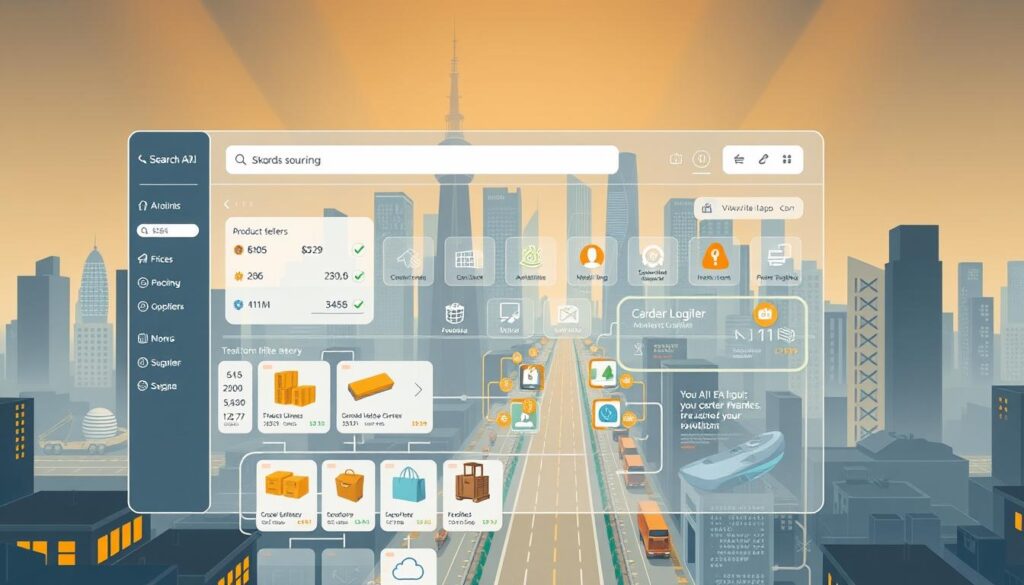
You’re about to learn about a new ecommerce strategy that changes the game. It uses AI-powered sourcing to find profitable products in Western markets. Then, it sells them in emerging markets, leading to niche domination.
This method, called reverse dropshipping, lets you tap into new markets’ demand for specific products. AI helps you find products and suppliers quickly. This saves time and effort, making your dropshipping strategy successful.
By using this innovative approach, you can stand out in ecommerce. You’ll also build a strong presence in your chosen niche.
What Is Reverse Dropshipping?
Reverse dropshipping is a new twist on the traditional model. You might know the usual dropshipping setup, where products come from Asia and go to the West. But reverse dropshipping does it differently. It brings products from the West to emerging markets.
Traditional vs. Reverse Dropshipping Models
The old dropshipping model is crowded, making it hard for newcomers to stand out. But reverse dropshipping offers a chance to shine by reaching new markets. It lets you sell Western products in places where they’re rare.
Choosing reverse dropshipping means you can offer more products and reach more customers. You get into markets that are growing and looking for new things.
Why Western Products in Emerging Markets Work
Western products are seen as better quality, which makes them popular in new markets. You can use this to your benefit by getting products from the West. Then, sell them in places where people really want them.
This appeal comes from many things like market trends and what people like to buy. It also comes from the growing number of middle-class people in new economies. Knowing these trends helps you find good places to sell and make money.
The Evolution of Reverse Dropshipping: AI Sourcing for Niche Winners
AI is changing the game in reverse dropshipping, helping businesses win in niche markets. AI and machine learning algorithms are making product sourcing smarter and more efficient.
How AI Transforms Product Sourcing
AI-driven product sourcing looks at huge amounts of data to find products that will do well. This helps businesses make smart choices, cutting down on risks.
With predictive analytics, companies can see what’s coming and adjust their products. This keeps them ahead of rivals.
Identifying Profitable Niches with Machine Learning
Machine learning is key in finding profitable niches. It looks at market data, what people want, and trends. This lets businesses pick products that are in high demand.
Using machine learning, companies can pick the best products for their audience. This gives them a competitive advantage in the reverse dropshipping world.
Setting Up Your Reverse Dropshipping Operation
Starting a successful reverse dropshipping operation in new markets is essential. You need to focus on several key areas to grow your business.
Essential Tools and Platforms
You’ll need ecommerce tools to manage your online store well. Shopify or WooCommerce are great options, with features to help you run smoothly. Look for tools for product research, inventory, and order fulfillment.
Finding Reliable Suppliers in Western Markets
Finding good suppliers in Western markets is key. You need to find suppliers who offer quality products. Attend trade shows, use directories, or connect with industry folks to find them. Make sure they’re reliable and can meet your needs.
Target Market Analysis and Selection
Doing a deep target market analysis is important for picking the right niches. Look at trends, demand, and competition in your markets. Use analytics to understand what customers want, helping you choose the right products.
AI-Powered Product Research Strategies
AI is changing the game for reverse dropshipping businesses. It helps them find the best products and stay ahead of rivals. AI uses smart algorithms to look at market trends, what customers want, and what competitors are doing.

Using Predictive Analytics for Trend Forecasting
Predictive analytics is key in AI product research. It helps guess what trends will come next by looking at past data and market signs. This way, you can pick the right products and stay ahead in the market.
Automated Competitor Analysis Tools
Tools for checking out competitors are also important. They watch what your rivals sell, how much they charge, and what customers say. This info helps you make smart choices about what to sell and how to market it, keeping you competitive.
Demand Prediction Algorithms
Demand prediction algorithms guess how much people will want certain products. They look at past sales, seasonal changes, and market trends. This helps you manage your stock better, avoiding too much or too little.
In short, AI is making a big difference in reverse dropshipping. It gives businesses the tools to make smart choices and succeed. With AI, you can predict trends, keep an eye on competitors, and manage your stock better.
Building Your Reverse Dropshipping Tech Stack
Starting in reverse dropshipping means you need a solid tech stack. It helps you run smoothly, work better, and make more money. You’ll need to put together several important parts that fit well together.
AI-Powered Inventory Management Systems
Good inventory management is key for success in reverse dropshipping. AI-powered inventory management systems help you guess demand, keep track of stock, and order more when needed. They use smart algorithms to look at past data, trends, and market changes. This way, you’re always ready for what customers want.
Automated Pricing Optimization Tools
Pricing is very important in reverse dropshipping because profits can be small. Automated pricing optimization tools use AI to check the market, what competitors charge, and how customers act. This lets you change prices quickly to stay ahead, make more money, and avoid losses.
Cross-Border Payment and Logistics Solutions
Dealing with money and shipping across borders is a big part of reverse dropshipping. Cross-border payment and logistics solutions make it easier by handling transactions safely and efficiently. They include things like converting currencies, following tax rules, and integrating with shipping services. This helps you manage your global business better.
By adding these parts to your tech stack, you can build a strong and efficient business. The secret to success is picking the right tools and making sure they work together well. This way, you can grow and make more money.
Overcoming Challenges in Reverse Dropshipping
Starting in reverse dropshipping comes with its own set of challenges. You’ll need to plan and execute carefully. This model offers big chances but also has its own hurdles.
Cross-Border Shipping and Customs Issues
Managing cross-border shipping and customs is a big challenge. You should team up with suppliers who know international shipping well. A good tracking system helps keep an eye on shipments and cuts down delivery times.
Strategies for smoother cross-border shipping include using one shipping carrier for all orders. Also, make sure your products meet the destination country’s rules.
Legal Considerations and Compliance
Legal rules are key in reverse dropshipping. Your business must follow laws in both the shipping and receiving countries. This means knowing about import/export laws, taxes, and product rules.
For help, talk to legal experts in international trade. They can guide you through the complex rules and keep your business legal.
Managing Customer Expectations Across Cultures
It’s important to meet customer expectations, even when they come from different cultures. You need to understand cultural differences and adjust your service.
Using AI-powered customer service tools can offer personalized help. Having a team that speaks many languages also helps meet customer needs better.
Scaling Your Reverse Dropshipping Business
To grow your reverse dropshipping business, focus on scaling through smart market analysis and team building. Scaling reverse dropshipping means expanding into new markets. It also involves using AI for market analysis and building virtual teams for global operations.
Expanding to Multiple Markets with AI Analysis
Entering multiple markets needs a deep understanding of local tastes and habits. AI analysis helps spot profitable areas and forecast trends. AI tools analyze data, competitors, and market conditions to guide your expansion.
Building Virtual Teams for Global Operations
As your business grows, building virtual teams is key for managing global operations. Virtual teams let you hire worldwide talent. This ensures you have the right skills for customer service, marketing, and logistics in various regions.
This approach cuts costs and boosts your quick response to market shifts.
Conclusion: The Future of AI-Powered Reverse Dropshipping
You now know how AI can change your ecommerce business. It helps you dominate niche markets better. AI in reverse dropshipping is set to change the ecommerce world.
With AI, you can find profitable niches and products in demand. This makes your operations smoother and gives you an edge over competitors.
AI will keep getting better, playing a bigger role in reverse dropshipping’s future. You’ll see better predictive analytics and demand prediction. These will help you dominate your niche even more.
The future of reverse dropshipping looks bright. By using AI, you can stay ahead and succeed in ecommerce.