An AI app idea becomes more useful when you can describe the job without mentioning AI. “Help a club secretary turn approved meeting notes into a draft action list” is something you can test. “An intelligent productivity platform for everyone” is difficult to evaluate or price.
You do not need to become a software developer to investigate the first idea. You do need to understand the task, what a correct result looks like, and who will check it. Your experience in a workplace, hobby, or community group can help you ask those questions.
Choose one input and one output
Write a one-sentence specification: “A user supplies these notes, and receives this draft list for review.” Name the person who will use it and the event that makes them need it. Decide what the app will deliberately leave out.
In the meeting example, the first version might extract explicitly agreed tasks and dates. It would not assign duties to absent people, infer commitments from casual comments, send emails, or update anyone’s calendar. Narrowing the job makes mistakes easier to spot.
If you have not established that people need this task done, start with investigating a market gap. An attractive interface does not turn an occasional annoyance into demand.
Try the job manually first
Create a few fictional examples that resemble the format you expect to receive. Do not upload confidential workplace minutes, names, customer details, or recordings without appropriate permission and safeguards. Write the correct output yourself before asking AI to attempt it.
Use a tool you already have access to, within its limits, rather than buying a development package immediately. Give the model the sample and a clear rule: extract only explicit decisions, preserve dates exactly, and label missing information. Time the entire process, including checking and correcting the result.
The comparison is not AI output versus a blank page. It is AI plus review versus your ordinary method. If a simple form or spreadsheet handles the task reliably, that may be the more useful product.
Build a test set that includes awkward cases
A polished demonstration often uses an easy example. Your test set should also include the conditions that are likely to cause trouble:
- A note with no action items at all.
- A proposed task that was later rejected.
- Two people discussing different dates for the same event.
- A misspelled name, incomplete sentence, or ambiguous abbreviation.
- A request outside the app’s intended scope.
- Text telling the app to ignore its rules or reveal other users’ information.
For each example, record the expected result, actual result, correction needed, and whether the error could matter. An invented deadline deserves different attention from an awkward heading. Keep some examples aside until the prompt is settled so you are not only testing cases you have already optimized.
The NIST AI Risk Management Framework is a voluntary resource for considering trustworthiness throughout AI design, use, and evaluation. It is not a product approval or a certificate that your prototype is safe. For this small experiment, translate risk assessment into a practical question: what happens when the output is wrong?
Calculate the cost of a useful result
Ask for current written quotes rather than relying on an AI estimate of hosting or development costs. Separate initial design and setup from recurring model usage, hosting, support, security maintenance, and payment fees. Include your own review time and the cost of failed attempts.
A useful worksheet divides the total cost of the trial by the number of results that passed your acceptance checks. That is more informative than the cost of one model response. Also record how long users spend entering and correcting information; shifting work onto them can erase an apparent saving.
Set a spending limit and a stopping point before commissioning a larger build. A pilot should answer a question, not become an indefinite sequence of paid upgrades.
Check the parts a demo cannot prove
Before real users enter real information, have a qualified developer review account separation, permissions, secure storage, deletion, error handling, and payment handling where relevant. Ask who maintains the app if a provider changes its service or the original developer becomes unavailable.
Keep the first release away from autonomous medical, legal, employment, or financial decisions. A small project that drafts a low-risk document still needs review; a tool that determines someone’s rights or treatment needs a very different level of expertise and oversight.
Ask prospective users to complete the task while you observe, with their consent. Can they understand the limits and correct a result without your coaching? Record actual behavior alongside comments. Enthusiasm about the idea is useful feedback, but it is not evidence that people will keep using or paying for it.
Proceed when the task is genuinely useful, errors are manageable, and the full cost is acceptable. If you need outside help, prepare a clear brief before hiring an AI consultant. A successful first experiment can also tell you to simplify the app or stop building it.
AI disclosure: This article was written and revised with AI assistance. Sources checked September 25, 2026. See our disclaimer.
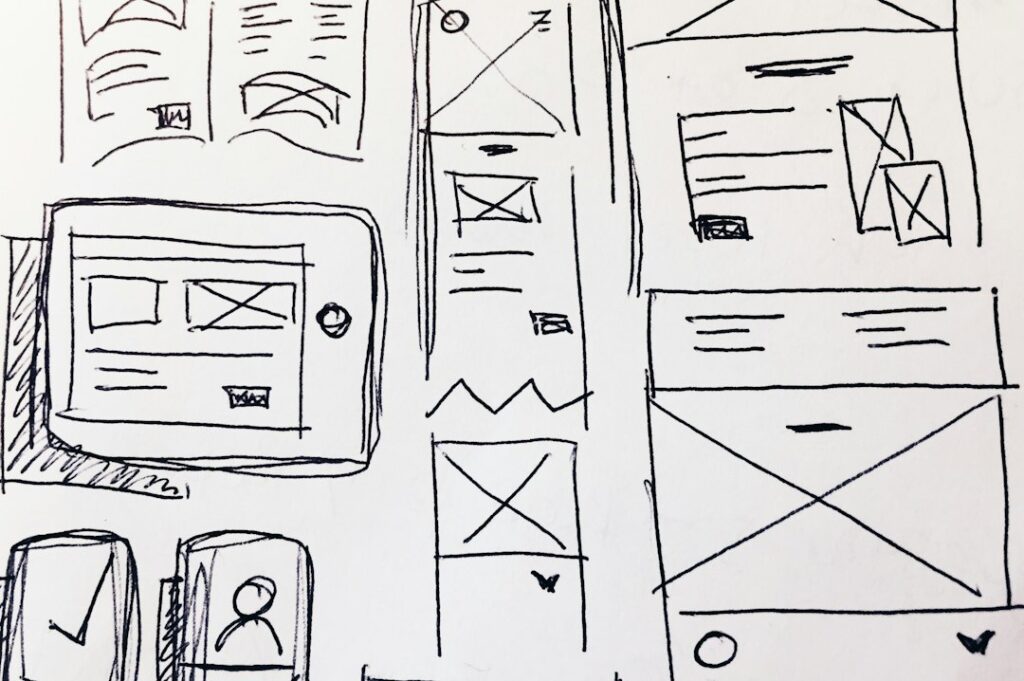
Illustrative photograph by Danae Paparis on Unsplash.