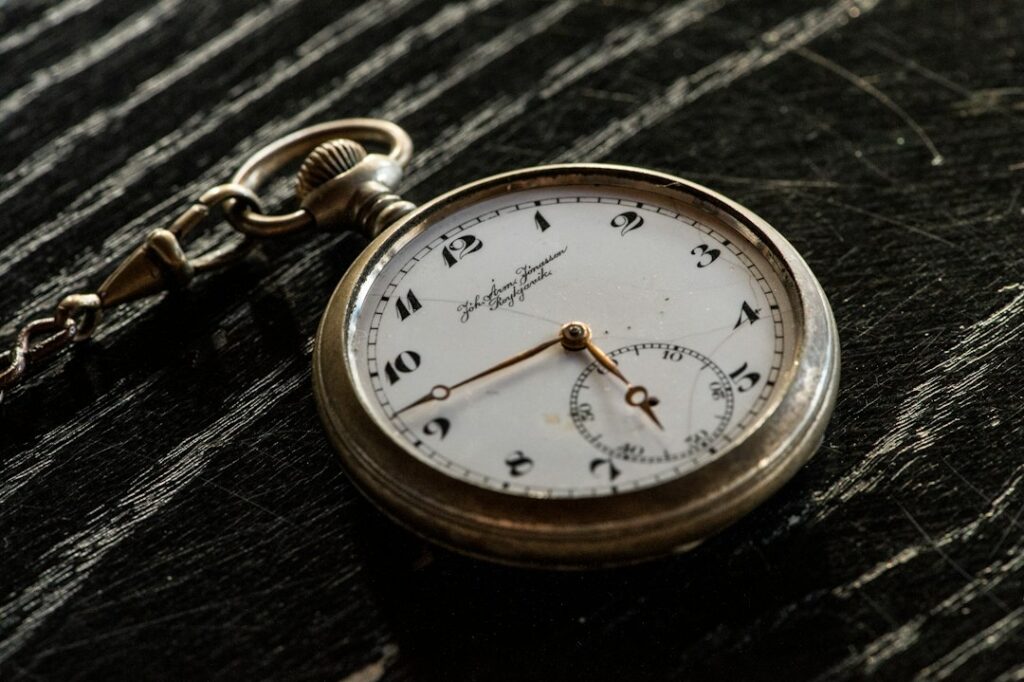
A photo of an old watch, vase, or chair can be a useful starting point for research. AI may suggest search terms or find visually similar objects. It cannot establish authenticity, ownership history, material, or value simply by sounding confident.
Treat its first answer as a lead to investigate. That approach can help you learn more about an object without turning a mistaken identification into an expensive buying or selling decision.
Document what you can actually observe
Take clear photographs of the whole object, any readable marks, and visible condition issues. Record measurements and transcribe inscriptions carefully. Keep observations separate from family stories and from anything an AI system suggests.
For example, “a stamp that appears to read 925” is an observation to investigate. “Solid silver from 1890” is a conclusion requiring evidence. If a mark is unclear, say so instead of asking the system to complete the missing letters as if they were known.
Do not clean, polish, open, or dismantle a potentially valuable object merely to improve a photo. Seek appropriate specialist advice before interventions that could damage it. Leave identifying household details and private documents out of uploaded images.
Use image matches to build a research list
Google’s image-search documentation describes finding similar images and pages associated with an object. A similar-looking result can suggest a maker, pattern name, or object category worth checking.
It is not authentication. A reproduction can resemble an older piece, and two items with similar decoration may differ in size, material, date, or condition. Open the underlying page and record what it actually establishes.
Describe only the visible features in these photographs. Suggest search terms and up to three possible identifications, each clearly labeled as unconfirmed. Explain what evidence would distinguish them. Do not invent a maker, date, provenance, material test, or market value.
Recheck even the description. AI can misread numbers, confuse a reflection with a mark, or overlook damage. If you cannot verify a detail, retain it as a question.
Compare sales, not just asking prices
A listing price shows what a seller is asking. A completed sale offers different information, although it still needs context. eBay’s pricing guidance explains using similar listings and completed listings to investigate prices.
Check whether an item actually sold rather than merely ended. Compare the maker or model, dimensions, materials, completeness, condition, sale date, and market. A pristine boxed example is not a close comparison for an untested object with missing parts.
Keep a short record of each candidate comparison and why it is relevant. Include the source link and note whether shipping or other charges are separate. If the final transaction price is not visible, do not invent one.
A fictional example: two similar watches
Imagine an AI identifies your watch as a rare model because the dial resembles a sale photograph. The comparison watch has a documented maker, a different case, and a verified working mechanism. Yours has an unreadable mark and an unknown service history.
The defensible conclusion is that the photo may offer a search lead. It does not transfer the other watch’s description or sale price to yours. Ask a relevant specialist which further observations or inspection would be needed.
This example is fictional. It is not an appraisal of the watch pictured with this article, and no value is implied for that image.
Know when a professional assessment matters
If a potentially valuable item is involved, or you need documentation for insurance, an estate, or another formal purpose, ask the relevant organization what assessment it requires. A chatbot-generated report may not meet that purpose.
The Smithsonian’s appraisal-help page points readers toward appraisal resources and research materials such as auction catalogs. It also explains that the institution does not itself provide monetary evaluations.
When choosing a professional, ask about experience with the object category, the purpose and scope of the report, the fee, and any interest in buying the item. Keep the original photographs and research notes so you can explain how you reached your questions.
AI is most helpful here as a research organizer: separating observed details, possible explanations, and missing evidence. If you want help finding those records later, see using AI to find your notes. A careful record is more useful than an impressive price with no support.
Updated September 23, 2026. Prepared with AI assistance and checked against the sources linked above. Examples described as fictional are illustrations, not reports of product testing. See our disclaimer.
Featured image: Kjartan Einarsson / Unsplash. Image for illustration.


