An unworn shirt or damaged pair of trousers can be a good starting point for a creative project. AI can suggest possibilities and help you compare them. An attractive image, however, does not tell you whether the fabric is strong enough, the garment contains enough material or the design can be made with your tools and skills.
Start with one item you already own. The aim is to find a useful next life for it, not create a reason to buy more clothes or equipment.
Check whether it needs a repair first
Look at why the garment is unused. Is there a loose fastening, a worn area, an uncomfortable fit or simply a lack of outfit ideas? A small repair or a different combination may make it wearable without taking it apart.
The EPA includes reusing and repairing clothing among ways to reduce waste. That supports considering repair first; it does not establish that every upcycling project has a lower environmental impact than every alternative.
If the issue is styling, try our article on building outfits from clothes you already own. Keep cutting or major alterations for a project you actually want and can complete.
Describe the real material
Read the care and fiber labels where available. Note the garment’s measurements, stretch, lining, closures, damage and usable areas. If you do not know the fabric composition, say it is unknown. A photograph cannot reliably establish every fiber, hidden seam or weakened patch.
Tell the AI what equipment you already have, your experience and how much time you want to spend. Include whether you are willing to consult a repair shop or experienced sewist. This helps rule out attractive but impractical suggestions.
Photographs can help communicate color and shape, but avoid wearing the garment in an identifiable photo if a flat-lay image will do. Keep the task about the item rather than inviting judgments about your body.
Ask for options with feasibility questions
I have this garment and these tools. Suggest three options: a small repair, a modest redesign and a different use for the material. For each, list what must be checked on the real garment, likely extra materials, skills needed and reasons the idea might not work. Do not generate exact cutting measurements from a photograph or claim the result will fit.
In a fictional example, a shirt with worn cuffs might be repaired, changed by an experienced maker or used for a small fabric project. The right choice depends on the condition of the rest of the shirt and the amount of usable cloth. “Turn it into a large bag” is not helpful if the available panels are too small or weak.
Keep the options short. Choose one based on practical value and your interest in doing the work. You do not need an elaborate design merely because the tool can generate one.
Use real instructions for the making
After choosing an idea, find instructions suited to the garment and technique. For example, Patagonia’s Worn Wear repair resources can provide starting points for certain repairs. Check that any instructions apply to your item; a method suitable for one fabric or construction may be unsuitable for another.
Ask an experienced maker to assess uncertain construction, fit or material questions. A generated pattern should not be treated as ready to cut merely because it includes precise-looking numbers. Confirm scale, dimensions and construction requirements before committing the original material.
Where practical, test a technique on a scrap or make a simple mock-up first. Follow the equipment manufacturer’s instructions. For protective clothing or items where failure could cause harm, use the relevant professional guidance rather than an improvised AI redesign.
Count the full cost before buying supplies
List the additional fabric, thread, fastenings, pattern, tools and outside help you would need. Add the time for learning, making, correcting mistakes and finishing. AI can turn that list into a worksheet, but use real prices and your own estimates.
A project may be worthwhile as a hobby even if it is not cheaper than buying a replacement. Equally, a design that needs several new purchases may not meet your goal of using what you have. Make that choice before ordering supplies.
If you sell the result, show what actually exists
A finished item’s photographs should show the real workmanship, condition and details. Do not use an AI concept image in a way that suggests it is the product a buyer will receive. Explain reused materials and known limitations accurately rather than making unsupported “zero impact” claims.
Include relevant care information and describe measurements clearly. Check any marketplace requirements that apply before listing the item. AI can draft a description from verified facts, but you remain responsible for checking it.
One completed, usable project is a better starting point than a folder of dramatic renderings. Let AI widen your options, then let the actual garment and the person doing the work decide what is feasible.
Updated September 25, 2026. This article was prepared with AI assistance; linked sources were checked during this update. It provides general information, not personalized professional advice. See our disclaimer.
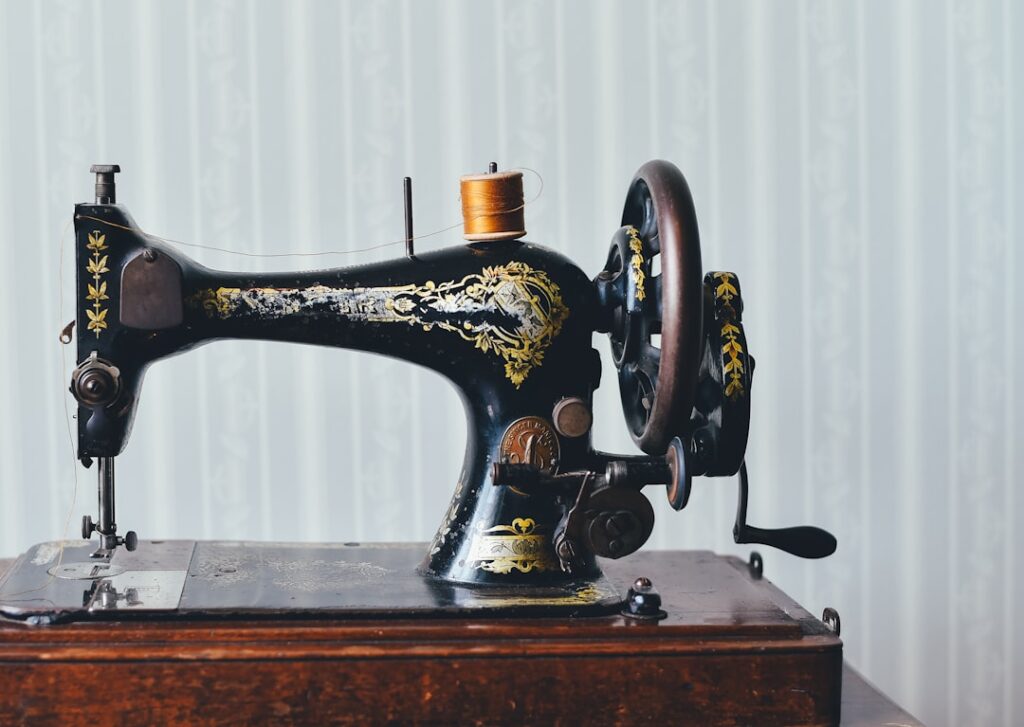
Featured photograph: Annie Spratt on Unsplash. Stock photograph for illustration, not a product test or customer example.