Home From the Hospital Can AI Prevent Setbacks in Recovery

Home From the Hospital: Can AI Prevent Setbacks?

Going back home after the hospital can feel really tough. You might worry about taking your meds right or catching early signs of problems by yourself. Luckily, AI-powered healthcare is making recovery easier.

These digital tools are like a virtual safety net. They help fill in the gaps in your care plan. With smart sensors and predictive analytics, doctors can watch your progress in real-time. This tech helps spot risks before they turn into big problems.

You now have a better support system that goes beyond the hospital. Using these new tools means your recovery path stays steady and safe. Learn how these systems help you manage your health journey with confidence.

The Critical Transition Period After Hospital Discharge

The time right after you leave the hospital is when you’re most at risk for health problems. You might feel happy to be home, but you miss the constant care you got in the hospital. Prioritizing your recovery in these first days is key to doing well later on.

Understanding the Risks of Early Readmission

One big challenge is the gap in communication between your care team and your home. Many patients wait weeks for their first check-up, which raises the risk of hospital readmission. Without quick advice, small issues can turn into big health problems.

This lack of immediate care often makes you feel alone and unsure about your recovery. Without a clear plan, the chance of going back to the hospital goes up. Good post-discharge care helps fill this gap, making sure you get the support you need at home.

Why the First 72 Hours Matter Most

Studies show the first 72 hours after leaving the hospital are the most critical for recovery. Patients who get professional care during this time do much better. This short period is vital for patient safety because it lets doctors catch problems early.

In these three days, your body is getting used to new meds and routines. Staying vigilant about your symptoms can stop you from needing to go back to the hospital. By focusing on post-discharge care early, you take charge of your patient safety and health.

Home From the Hospital: Can AI Prevent Setbacks?

Artificial intelligence is now a digital safety net for patients going back to their daily lives. When you return home, the lack of constant doctor’s care can be scary. Luckily, new software helps keep you connected to your care team all the time.

Predictive Analytics for Patient Risk Assessment

Modern healthcare uses predictive analytics to look at your recovery path. It checks your medical history and current health to give you a risk score. This helps doctors spot problems before they get worse.

Studies show this method works well. For example, Dimer Health saw a 67% reduction in hospital readmissions. This shows how using data can help you avoid early hospital visits.

Real-Time Monitoring and Early Warning Systems

Keeping an eye on your health is key for a smooth recovery. AI systems watch your health metrics every day. If something looks off, they quickly tell your doctors to act.

This system gives you peace of mind while you recover at home. You don’t have to worry if your symptoms need a doctor. The tech keeps your care team updated on your health.

How Wearable Technology Feeds AI Recovery Models

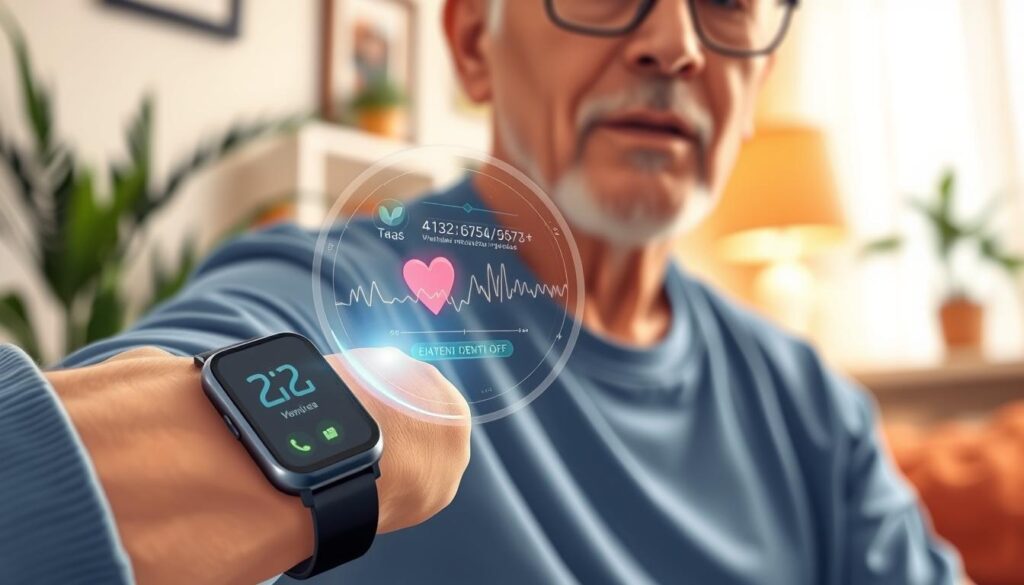
Wearable technology connects your daily life to AI recovery models. It collects data continuously. This lets your care team update your recovery plan as you progress.

wearable technology

Tracking Vital Signs with Devices Like Apple Watch and Fitbit

Devices like Apple Watch and Fitbit track more than just steps. They monitor heart rate, sleep, and oxygen levels. This info helps AI spot health changes early.

Rehabilitation robotics is changing how we regain strength. AI-powered exoskeletons can cut recovery time by 30% for stroke patients. They adjust support based on your movements.

Integrating Biometric Data into Clinical Dashboards

Your biometric data is shared with your doctors. When your device connects to a clinical dashboard, your doctor sees your recovery status in real-time. This leads to quicker, smarter decisions about your care.

This approach helps your medical team catch trends they might miss in a quick visit. It lowers the chance of readmission by keeping your care team informed. Your active role in tracking your health makes recovery safer and more efficient.

AI-Powered Virtual Assistants and Medication Adherence

Even those with medical training can find it hard to keep up with their meds after leaving the hospital. The stress of going home can cause simple mistakes, like taking pain meds wrong or missing a dose. Virtual assistants act as a trustworthy digital friend to help you stick to your medication adherence during this tricky time.

virtual assistants for medication adherence

Automated Reminders and Symptom Check-ins

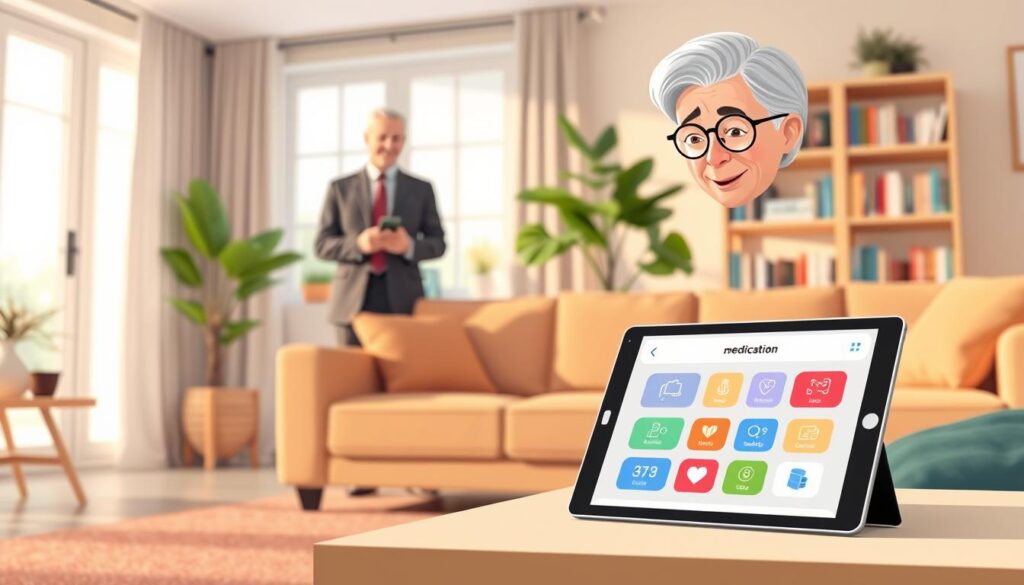
These smart systems send reminders right to your phone or smart speaker. You don’t have to rely on memory or paper notes to manage your recovery anymore. Instead, these tools offer proactive support by reminding you to take your meds at the right time.

They also check in on your symptoms regularly. By logging how you feel, you give your care team the info they need to improve your remote patient management plan. This feedback loop helps catch any big changes early, before they cause serious problems.

Natural Language Processing for Patient Communication

Modern virtual assistants use advanced tech to make talking to them feel natural. You can just talk to your device to report a side effect or ask about your dosage. This makes using health apps easier and less stressful.

These tools make it simple to manage your health data. Good remote patient management needs clear, easy communication that fits into your daily life. With these digital helpers, you can relax knowing your recovery is being watched over with care and precision.

Bridging the Gap Between Patients and Healthcare Providers

Digital health platforms are key in linking your daily recovery to your care team. They let you stay in touch with your medical team from home. This move towards patient-centered care makes sure your recovery is clear and well-supported.

Streamlining Communication with Care Teams

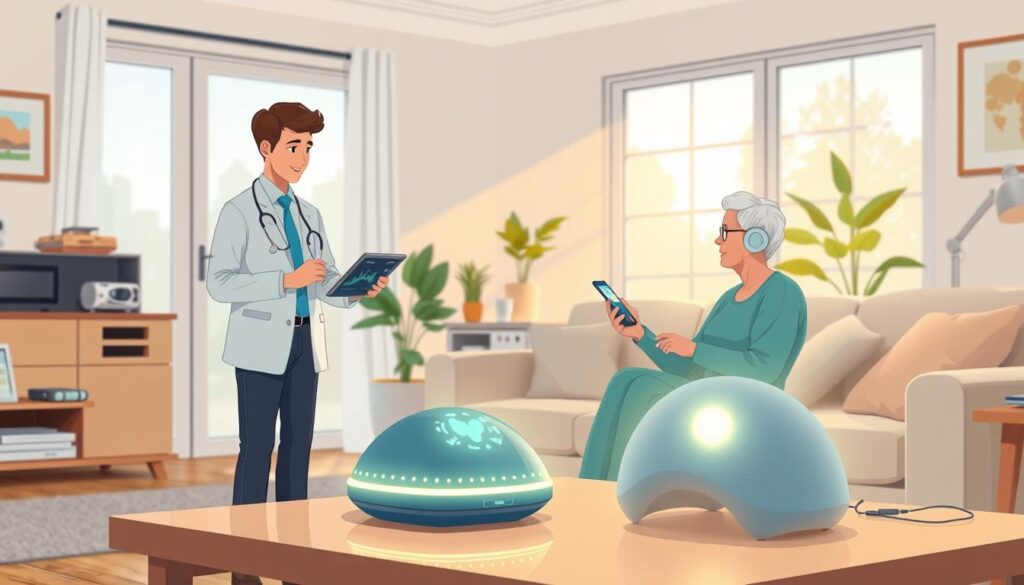
AI technology is like a reliable “co-pilot” for your healthcare providers. It analyzes your health data to give insights for quick decisions. You don’t have to wait for an appointment to share updates about your health.

These systems make your data easy to read for your medical team. They highlight important trends, helping doctors focus on what’s most important. This approach creates a patient-centered care environment where your needs are met in real-time.

Reducing the Burden on Home Health Nurses

Recovering at home often means many check-ins, which can be too much for nurses. Advanced digital health tools automate tracking symptoms and vital signs. This cuts down the work for home health nurses, letting them focus on more complex needs.

When your data is sent automatically, your healthcare providers only get alerts when needed. This avoids unnecessary visits and ensures you get help when you need it. These digital health solutions make recovery more efficient and effective for everyone.

Addressing Privacy and Ethical Considerations

Using artificial intelligence in your recovery needs a careful balance. You must be sure your personal info is safe. Building trust is key for a good relationship with medical tech.

Data Security in Personal Health Monitoring

Keeping your info safe is a must. Developers must use top-notch encryption for all biometric data. This way, you can heal without worrying about your data being shared without your consent.

Strict security rules keep your records safe. By picking platforms that follow the law, you safeguard your digital life. Security is not just a technical requirement; it’s a basic right that lets you rest easy.

Ensuring Equitable Access to AI Recovery Tools

Technology should help everyone, no matter who they are or where they are. To get better clinical outcomes for all, we must close the digital gap. This means everyone should have access to top-notch care.

When we focus on fairness, healthcare gets better for everyone. Making tools easy to use and affordable helps ensure every patient benefits. Our aim is to use tech to make healthcare better for all.

Keeping health data privacy high while making tech more accessible is a big goal. By doing this, healthcare can create a future where tech helps your recovery safely and well.

Conclusion

Leaving the hospital and going home is a big step in your recovery. Today, technology gives you a strong support system during this time.

AI-driven tools make your home a place of active health care. They keep an eye on your progress to help you get stronger.

Smart devices watch your health 24/7. This helps catch problems early, making your recovery better.

Apple and Fitbit’s devices turn your home into a care center. They help you manage your meds and stay active.

Using these tools lets you control your health at home. As they become more common, caring for yourself will get easier.

Share your stories with these health tools. Your experiences help improve medical technology for all.

Leave a Comment

Your email address will not be published. Required fields are marked *