

As you get older, your sleep patterns change a lot. After 40, many people find it hard to sleep well. This can make you feel tired and affect your health. Luckily, new sleep technology helps you track and improve your sleep.
Devices like the Apollo wearable and Somnee headband are changing how we sleep. They use AI and wearables to show you how you sleep. This is great for people who struggle with midlife sleep.
Now, it’s easier to improve your sleep with AI and wearables. Learning how these tools work can help you sleep better. It’s a big step towards a good night’s sleep.
Why Sleep Changes After 40
Many people notice changes in their sleep patterns when they hit their 40s. As you get older, your body goes through changes that can affect how well you sleep.
Hormonal Shifts and Their Impact on Sleep
Hormonal changes are a big reason for sleep issues. Two main changes are less melatonin and changes in estrogen and testosterone.
Declining Melatonin Production
Melatonin helps control when you sleep and wake. As you age, you make less melatonin. This makes it harder to fall and stay asleep. Declining melatonin production is a big reason for sleep problems in people over 40.
Estrogen, Testosterone, and Sleep Quality
Changes in estrogen and testosterone also affect sleep. For women, lower estrogen can cause hot flashes and night sweats. For men, lower testosterone can lead to sleep issues. These hormonal changes can really impact how well you sleep.
Physical Changes Affecting Sleep Quality
Physical changes also play a role in sleep issues. Increased pain, discomfort, and changes in your body clock are common. These can all affect how well you sleep.
Increased Pain and Discomfort
As you age, you might feel more pain from conditions like arthritis or back pain. This pain can make it hard to fall asleep or stay asleep.
Changes in Circadian Rhythm
Your body clock can shift as you get older. This can make you feel more awake in the morning and sleepy in the evening. This can mess up your sleep schedule.
The Health Consequences of Poor Sleep in Midlife
As you navigate midlife, poor sleep can have big effects on your health. It can impact your well-being in many ways. It’s important to tackle sleep problems quickly.
Cognitive Function and Memory Issues
Poor sleep can hurt your cognitive function and memory. Studies show it can make it hard to focus and remember things. This is a big concern in midlife, as it can affect your daily life and work.
Metabolic and Cardiovascular Risks
Metabolic risks from poor sleep include a higher chance of getting type 2 diabetes and obesity. It also raises cardiovascular risks like high blood pressure and heart disease. These risks show why fixing sleep problems is key to avoiding health issues later on.
Emotional and Mental Health Effects
Poor sleep can also harm your mental health. It can cause more stress, anxiety, and depression. Making sleep a priority is vital for your emotional and mental health.
Knowing these effects shows the importance of improving sleep in midlife. By fixing sleep issues, you can reduce these risks and improve your health overall.
Common Sleep Challenges After 40
Entering your 40s can bring big changes in sleep. Your body’s sleep patterns can shift due to many factors. This leads to common sleep problems.
Insomnia and Sleep Maintenance Problems
Finding it hard to fall or stay asleep is called insomnia. It might be caused by stress, lifestyle changes, or health issues. Improving sleep hygiene and managing stress can help with insomnia.
Sleep Apnea and Breathing Disturbances
Sleep apnea is a serious disorder where breathing stops during sleep. It breaks up your sleep and lowers blood oxygen levels. Recognizing the symptoms of sleep apnea is key to getting the right treatment.
Restless Leg Syndrome and Periodic Limb Movements
Restless Leg Syndrome (RLS) and Periodic Limb Movements (PLM) can really mess with your sleep. RLS makes you want to move your legs because of uncomfortable feelings. PLM causes your legs to move on their own while you sleep. Managing these conditions often means making lifestyle changes and sometimes medical treatment.
How Technology is Revolutionizing Sleep Science
Technology has changed sleep science a lot. Now, we use wearables and apps to track sleep. AI gives us tips to sleep better.
The Evolution of Sleep Tracking
Sleep tracking has evolved a lot. Today, we have wearables and apps that track sleep stages, heart rate, and breathing. This data helps us understand our sleep better.
The Role of AI in Personalized Sleep Solutions
AI is key in sleep science. It analyzes sleep data and offers personalized advice. Machine learning algorithms spot patterns, and predictive analytics suggest ways to improve sleep.
Machine Learning and Sleep Pattern Recognition
Machine learning helps find sleep disorders by analyzing data. This info helps create specific treatments.
Predictive Analytics for Sleep Improvement
Predictive analytics forecast sleep problems and offer solutions. AI uses sleep data to give us tailored sleep tips.
Sleep Reset After 40: Use AI + Wearables to Fix Your Nights
Using AI and wearables can help you get a better night’s sleep. This technology-driven approach gives you insights into your sleep. You can then make changes to improve your sleep quality.
The Technology-Driven Approach to Better Sleep
Devices like the Apollo wearable and Somnee headband use AI to help you sleep better. They track your sleep, giving you data to improve your sleep space and habits.
Setting Realistic Expectations for Your Sleep Reset
It’s important to set realistic expectations when starting a sleep reset. Remember, changes won’t happen right away. Staying motivated is key.
Timeline for Seeing Improvements
You might see better sleep in a few weeks with consistent tracking and adjustments. But, big changes can take a couple of months.
Measuring Success Beyond Numbers
While tracking data is helpful, don’t just look at numbers. Notice how you feel during the day, your energy, and mood. These are important signs of a successful sleep reset.
Essential Sleep Metrics You Should Be Tracking
To reset your sleep, it’s key to know the important metrics that affect your sleep quality. Tracking sleep metrics like sleep duration, sleep stages, and heart rate variability gives you valuable insights into your sleep patterns.
Sleep Duration and Sleep Debt
Sleep duration shows how much time you spend asleep. Building up a sleep debt can harm your health. By tracking your sleep duration, you can see if you’re getting enough rest.
Sleep Stages and Cycles
Knowing about sleep stages and cycles is important for judging sleep quality. Sleep goes through different stages, like REM and non-REM sleep.
REM Sleep Monitoring
REM sleep is key for mental recovery and memory. Watching your REM sleep helps you see if you’re getting enough restorative sleep.
Deep Sleep Quality Assessment
Deep sleep, or slow-wave sleep, is vital for physical healing. Checking deep sleep quality shows how well your body recovers.
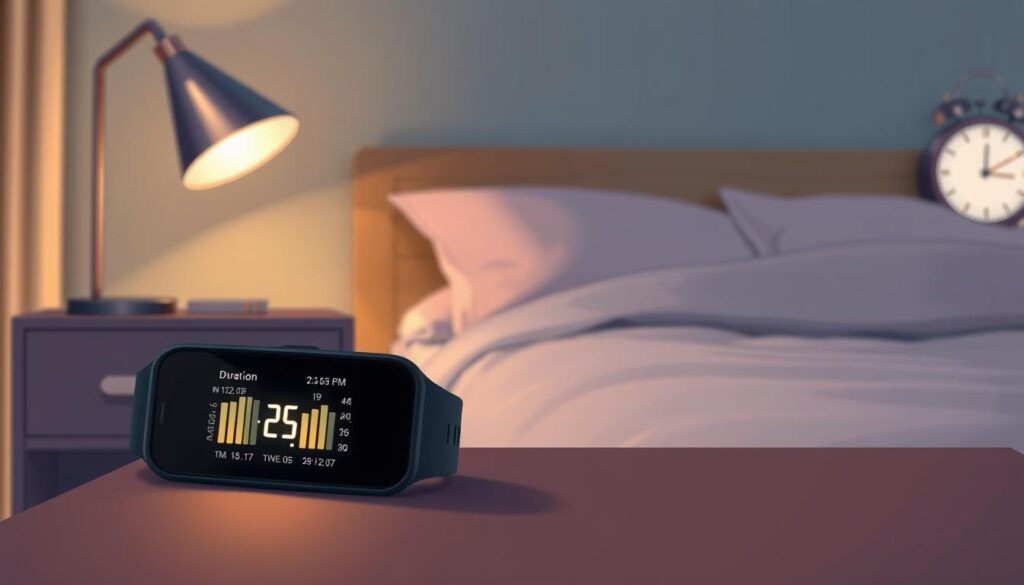
Heart Rate Variability and Respiratory Rate
Heart rate variability (HRV) and respiratory rate show stress levels and heart health. Tracking these metrics gives more insights into how your body reacts to sleep and stress.
By keeping an eye on these key sleep metrics, you can fully understand your sleep health. This knowledge helps you make better choices to enhance your sleep.
Top Wearable Devices for Sleep Tracking After 40
Wearable technology can change your sleep game after 40. These devices give deep insights into your sleep patterns. You can find everything from smartwatches and fitness trackers to sleep tracking rings and non-wearable systems.
Smartwatches and Fitness Trackers
Smartwatches and fitness trackers are great for tracking sleep. They let you monitor your sleep easily without extra devices.
Apple Watch and Sleep Tracking
The Apple Watch is a top choice for sleep tracking. Apple has made its sleep tracking better with updates. Now, it shows sleep stages and how long you slept.
Fitbit and Garmin Sleep Analysis Features
Fitbit and Garmin are known for fitness, but they track sleep well too. Fitbit shows light, deep, and REM sleep stages. Garmin watches give insights into sleep quality and how long you slept.
Dedicated Sleep Tracking Rings
Dedicated sleep tracking rings focus on sleep. They have features that smartwatches and fitness trackers might not have.
Oura Ring Technology and Benefits
The Oura Ring is a favorite for sleep tracking. It tracks sleep stages, duration, and quality. It also gives a sleep score to help you understand your sleep.
Circular Ring and Alternative Options
The Circular Ring is another sleep tracking option. It tracks sleep stages and heart rate like the Oura Ring. Other options, like the Motiv Ring, also track sleep well.
Non-Wearable Sleep Monitoring Systems
Not all sleep tracking devices are worn. Non-wearable systems are for those who don’t want to wear a device at night.
Withings Sleep Analyzer and Similar Devices
The Withings Sleep Analyzer is a sleep tracker that goes under your mattress. It tracks sleep duration, heart rate, and snoring. Similar devices offer the same features for a non-wearable option.
Bedside Sleep Monitors
Bedside sleep monitors, like Dreem’s, use EEG sensors to track brain activity. They give detailed insights into sleep stages and quality. This helps you understand your sleep patterns better.
AI-Powered Sleep Apps Worth Downloading
AI-powered sleep apps can help you sleep better after 40. They use advanced tech to give you insights and tips for your sleep needs.
Apps for Sleep Analysis and Insights
Many apps focus on sleep analysis, giving you deep insights. SleepScore and Sleep Cycle are top choices. SleepScore tracks your sleep with sonar, showing your sleep stages. Sleep Cycle wakes you when you’re sleeping lightly, making you feel refreshed.
SleepScore and Sleep Cycle
SleepScore tracks sleep without a wearable, linking it to weather and sleep space. Sleep Cycle analyzes your sleep and wakes you when you’re most rested, boosting your energy.
Pillow and Sleep Watch
Pillow tracks sleep stages, heart rate, and more, giving you tips to sleep better. Sleep Watch works with wearables, showing your sleep patterns and helping you improve.
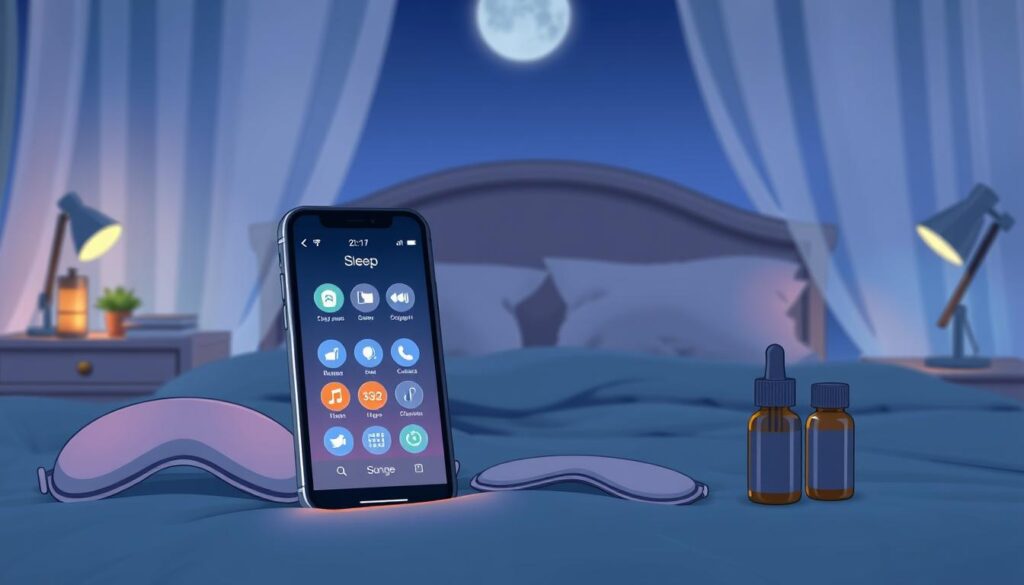
Apps for Sleep Sounds and Meditation
AI apps also help you relax and sleep. Calm and Headspace offer meditations and sleep stories to calm you.
Calm and Headspace Sleep Features
Calm has sleep stories and meditations to soothe your mind and body. Headspace offers personalized meditation for better sleep.
White Noise and Soundscape Apps
White Noise and Soundscape provide calming sounds for sleep. They help block out noises that might keep you awake.
Apps for Cognitive Behavioral Therapy for Insomnia
Apps like Sleepio and CBT-i Coach help with insomnia. They offer CBT-I programs to tackle sleep issues.
Sleepio and CBT-i Coach
Sleepio guides you through CBT-I with AI, helping change bad sleep habits. CBT-i Coach supports your CBT-I journey, providing tools for better sleep.
Pzizz and Relax Melodies
Pzizz combines sleep sounds with AI to enhance sleep. Relax Melodies lets you create soundscapes for relaxation and sleep, improving your sleep space.
Interpreting Your Sleep Data: Beyond the Numbers
Understanding sleep data can seem hard, but it’s key to better sleep after 40. To get the most from your wearables and sleep apps, look beyond the numbers. See what they mean for your sleep health.
Understanding Sleep Score Calculations
Your sleep score shows how well you sleep. It’s based on how long you sleep, the sleep stages, and how often you wake up. Knowing how your score is made helps you know where to improve. For example, if you wake up a lot, focus on sleeping better.
Identifying Personal Sleep Patterns and Trends
Your data also shows your own sleep patterns and trends. By looking at your data over time, you canspot changes in your sleep quality. You might see sleep is worse on some days or after certain activities. Knowing these patterns helps you make better sleep choices.
Using AI Insights to Make Informed Decisions
AI sleep apps givepersonalized advice based on your data. They suggest ways to improve your sleep. By using these tips, you canchange your sleep space, timing, and habits to fit your needs. This data-driven way helps you make big changes for better sleep.
By getting your sleep data and using AI insights, you can control your sleep health. You can make lasting improvements.
Creating Your Data-Driven Sleep Improvement Plan
Using sleep data, you can make a plan to sleep better. This process starts with knowing your current sleep habits.
Establishing Your Sleep Baseline
To make a good sleep plan, first find out how you sleep now. Track your sleep patterns to see how long you sleep and what stages you go through. This helps you know where you can get better.
Setting Actionable Sleep Goals
After knowing your sleep habits, set clear goals. These goals should be specific, measurable, achievable, relevant, and have a deadline (SMART). For instance, you might want to sleep 30 minutes more or have a 20% better sleep quality in two weeks.
Implementing Changes Based on Your Data
With your sleep baseline and goals set, start making changes. This could mean changing your sleep schedule, having a calming bedtime routine, or making your sleep space better. Making choices based on your data can significantly improve your sleep quality and health.
Conclusion: Your Personalized Path to Better Sleep After 40
Getting better sleep after 40 is possible with the right tools. AI and wearables help you understand your sleep patterns. This way, you can find a personalized way to improve your sleep.
Wearable devices and AI apps give you insights to improve your sleep. You can track important sleep metrics and create a plan for better sleep. This helps you make informed choices to enhance your sleep quality.
Start by setting a sleep baseline and goals. This lets you take charge of your sleep and wake up feeling great. Begin your journey to better sleep today. Follow your personalized path to a well-rested life.