
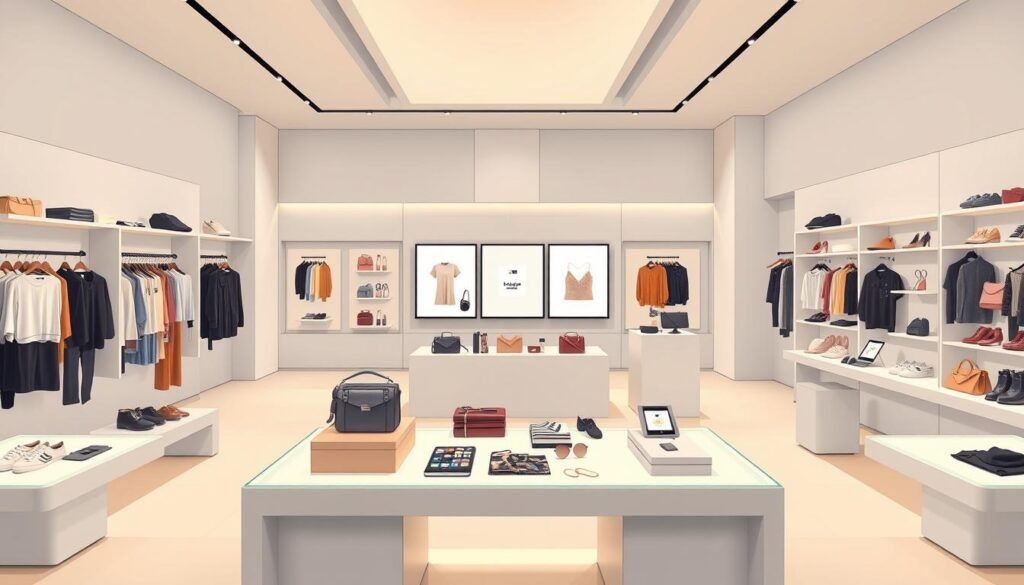
You’ve probably seen a big change in online shopping. This change comes from influencer marketing and the growing need for exclusive, curated merchandise.
Brands are now using AI-curated merch drops to reach out to customers and boost sales. This new method lets brands offer limited-edition products that speak to their audience. It helps build a stronger bond and keeps customers coming back.
Thanks to AI technology, brands can make merch drops that match each influencer’s style. This changes how brands work with influencers and boosts sales.
The Evolution of Influencer Merchandise
The world of influencer merchandise has changed a lot. This change shows how brands and influencers now connect with their fans. It’s all about making marketing more real and fun.
From Basic Swag to Strategic Brand Extensions
At first, influencer merchandise was simple stuff like t-shirts and hats. But now, it’s all about brand extensions. These are special items that show off the influencer’s style and values. They’re made to connect with the influencer’s fans in a meaningful way.
Why Traditional Merchandise Strategies Fall Short
Traditional merchandise strategies don’t cut it anymore. They’re too generic and don’t really talk to people. Today’s fans want unique, quality items that show who they are. So, influencers and brands are moving towards more thoughtful and personalized merchandise.
AI Curated Limited-Edition Merch Drops for Influencers
The rise of AI in merchandise curation is changing how influencers make and share exclusive items. This new method lets influencers create top-notch, limited-edition goods that speak to their fans.
Defining AI-Powered Merchandise Curation
AI-powered merchandise curation uses smart algorithms to pick and design products. It looks at what people like and what’s trending. This way, influencers can make items that fit their followers’ tastes.
How Artificial Intelligence Transforms Product Selection
Artificial intelligence changes how products are chosen by looking at lots of data. It finds patterns and guesses what people might want. This helps influencers pick the right items for their fans.
Data Collection and Analysis Methods
AI algorithms gather data from places like social media and customer feedback. They then study this data to spot trends and what people like.
Preference Prediction Algorithms
AI’s preference prediction algorithms use learning to guess what people might want. This lets influencers make items that are likely to be hits with their audience.
Transforming Your Brand with AI-Designed Collections
The future of branded merchandise is all about AI-designed collections. These collections speak to your target audience. They use artificial intelligence to make merchandise that fans love, boosting engagement and loyalty.
Creating Authentic Merchandise That Resonates
AI-designed collections help you make authentic merchandise. They analyze lots of data on what people like and what’s trending. This way, your products match what your audience wants, leading to more sales.
Reducing Production Risks Through Predictive Analytics
Predictive analytics is key in cutting down production risks. It predicts demand and spots trends early. This lets you adjust how much you produce, saving money and reducing waste.
Enhancing Fan Loyalty with Personalized Products
Offering personalized products in your AI-designed collections boosts fan loyalty. When you make merchandise that fits individual tastes, you build a stronger bond with your audience. This creates a loyal community around your brand.
The Science Behind AI Audience Analysis
AI audience analysis is changing how influencers make and sell their merchandise. It uses advanced algorithms and machine learning to understand audience behavior and likes. This way, AI gives valuable insights into what people want.
Demographic Insights and Preference Mapping
Demographic insights are key to knowing your audience. AI tools look at social media data to make preference maps. These maps show what merchandise your audience might like.

Social Media Engagement Pattern Recognition
AI spots social media engagement patterns to see how people react to your content. This helps you make merchandise that fits their interests. It boosts your chances of selling more.
Trend Forecasting for Timely Merchandise Releases
AI looks at trend data to predict future trends. This helps you release merchandise when it’s most likely to sell well. Your merchandise stays fresh and appealing to your audience.
Crafting Successful Limited-Edition Drop Campaigns
The art of creating successful limited-edition drop campaigns is all about strategic scarcity and AI insights. To make your campaign a hit, you need to know how to create demand. This means using exclusivity, timing your drops right, and promoting them everywhere.
Strategic Scarcity: Creating Demand Through Exclusivity
Strategic scarcity makes your audience feel like they need your product fast. By only making a little available, you make it more wanted. This works best with limited-edition designs or exclusive collaborations.
Optimal Timing Based on AI-Generated Insights
AI can tell you the best time to launch your products. It looks at market trends, what your audience likes, and sales data. This way, you can launch at the perfect moment to get the most visibility and sales.
Cross-Platform Promotion Strategies
A good drop campaign needs a strong promotion plan on many platforms. This includes:
Pre-Launch Teasers and Content
Getting people excited before you launch is key. Use teasers, behind-the-scenes looks, and influencer partnerships to build anticipation.
Launch Day Activation Techniques
On launch day, use flash sales, discounts, or special bundles to get people buying right away.
By using these strategies, you can make a cross-platform promotion that reaches more people and gets them to buy.
Real-World Success Stories of AI-Curated Influencer Merchandise
The rise of AI-curated influencer merchandise has led to unprecedented success stories. Influencers across various niches are using AI technology to create merchandise that resonates with their audience. This has resulted in significant revenue boosts and brand growth.
Content Creators Who Revolutionized Their Revenue Streams
Several content creators have seen a substantial increase in their revenue streams after adopting AI-curated merchandise. For instance, a popular gaming influencer reported a 300% increase in sales after switching to AI-curated merchandise drops. This significant growth is attributed to the ability of AI to analyze audience preferences and create products that meet their demands.
Niche Influencers Achieving Mainstream Success
Niche influencers are also achieving mainstream success with AI-curated merchandise. A fashion influencer specializing in sustainable clothing saw a surge in popularity after releasing an AI-curated collection. This led to features in major fashion magazines and collaborations with well-known brands.
Measuring Impact: Sales, Engagement, and Brand Growth
The impact of AI-curated merchandise is measured through various metrics, including sales, engagement, and brand growth. Influencers are using these metrics to refine their merchandise strategies. This results in continuous improvement and increased success.
By embracing AI-curated influencer merchandise, content creators and niche influencers alike are revolutionizing their revenue streams. They are achieving mainstream success.
Selecting Your AI Merchandising Solution
Choosing the right AI merchandising platform is key for your brand. Look at each platform’s unique features and what they offer.
Leading Platforms and Their Unique Features
Many AI merchandising platforms are out there, each with its own strengths. Some focus on predictive analytics to forecast demand. Others are great at personalization, making products that speak to your audience.
Integration Requirements for Seamless Implementation
When picking an AI merchandising solution, think about integration. You want a platform that works well with your e-commerce and social media. This makes the transition smooth and keeps your business running smoothly.
Budget Considerations and Return on Investment
Cost is a big deal when choosing an AI merchandising solution. Look at the upfront cost and the return on investment (ROI). A good platform can really boost your sales by making your products better and engaging customers more.
Pricing Models and Cost Structures
AI merchandising platforms have different pricing models. You might find subscription services or pay-per-use options. Knowing these costs helps you choose within your budget.
Expected Timeline for Profitability
The time to see a return on investment varies. But, you can usually see improvements in a few months. And, you’ll likely see big returns within the first year.
By carefully looking at these points, you can pick an AI merchandising solution. It should meet your current needs and grow with your business for long-term success.
Conclusion: Embracing the Future of Influencer Commerce
The world of ecommerce is always changing, and using AI is key for brands and influencers to keep up. AI helps with understanding audiences better, making products more personal, and picking the right items to sell. This makes influencer commerce more effective.
Now, you can use AI to make your influencer marketing better. You can create products that really speak to your fans. This way, you can build stronger relationships with your audience, reduce risks, and make more money.
AI is becoming more important in influencer marketing and ecommerce. It’s important to keep up with AI news and how it’s used in influencer commerce. This will help you use new trends and chances to your advantage.
By using AI, you can grow your business, get more people to know about your brand, and connect with your audience on a deeper level. This will help you succeed in the fast-changing world of ecommerce.