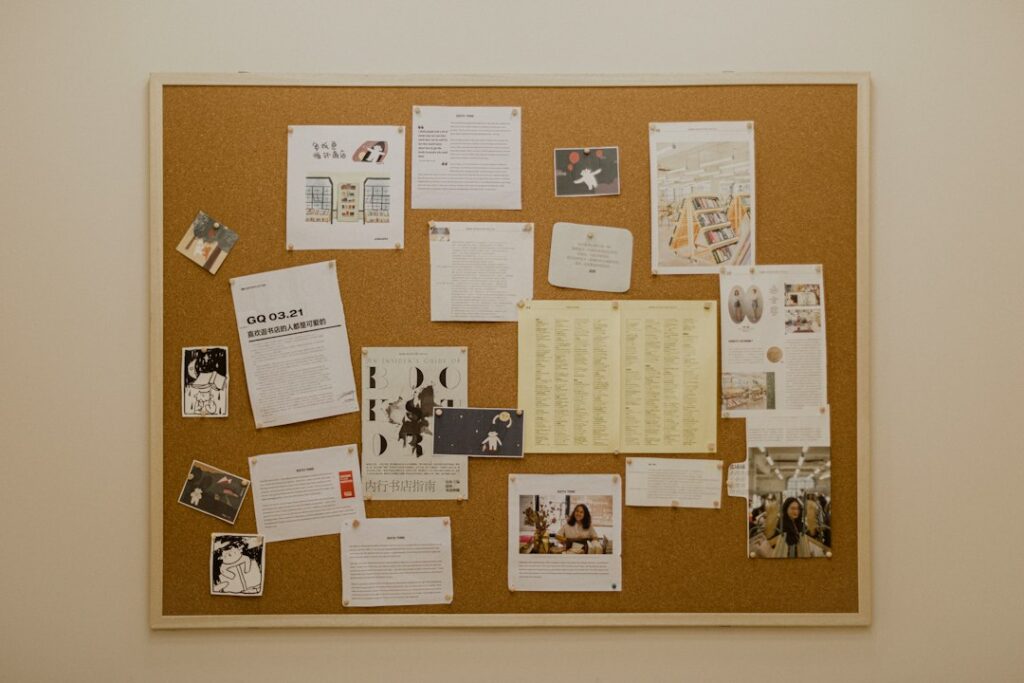
You do not need to build a sophisticated AI system to help your community. A useful starting point is a small information task: turning approved event details into a readable notice, organizing public resources, or drafting answers to questions a volunteer group receives often.
Choose a project with a named human owner and a clear audience. Your knowledge of the community may matter more than technical confidence. The aim is something people can use, with a way to correct it when circumstances change.
Ask the group what would help
Talk with the organizer before producing a new website or chatbot. Ask which question they answer repeatedly, what information already exists, and who has authority to publish it. Check whether another organization already maintains a reliable resource you could simply link to.
For a first project, consider a one-page summary of public workshops at a community centre. Avoid starting with advice about benefits eligibility, medical concerns or safeguarding decisions. Those involve responsibilities that a volunteer-generated answer should not take over.
If the main need is learning together, our community AI learning circle offers a different starting point.
Create a small, approved source pack
Ask the organizer for the information they want published. Keep the source and date beside each item. For a workshop notice, the pack might include the confirmed title, venue, date, cost, booking link, contact details and any verified access information.
Missing information should remain a question. Do not let AI assume that an event is free, that the venue has step-free access, or that a service accepts everyone. The relevant organizer must confirm those details.
Use public or expressly approved material in a tool the group permits. Leave out membership lists, personal circumstances, private messages and information about children or vulnerable people. A useful information page does not usually need that material.
Draft one resource, with visible gaps
Use only this approved source pack to draft a short community notice. Include what the event is, when and where it happens, how to book, any stated cost and the official contact. Preserve names, dates and links exactly. List missing or conflicting details separately. Do not infer eligibility, access arrangements or availability.
Read the draft against the source pack. Open each booking link. Check whether a time has a stated time zone when that matters, whether an event repeats, and whether a date refers to registration or attendance. AI can format details without understanding the consequences of changing them.
Send the completed draft to the authorized organizer for approval. Agree how AI assistance will be described. Do not make the resource look as though it came from a public authority unless that authority actually produced or approved it.
Make the information easy to use
The W3C’s web-writing guidance recommends meaningful headings and links, understandable instructions and useful image alternatives. A poster image alone may leave some readers unable to access the details, so provide the information as readable text too.
Try the page on a phone and with enlarged text. Use a clear booking link rather than a row of unexplained icons. If the community needs a printed version, include a usable contact route. Do not require an AI account just to read a local notice.
Ask a reader to find the date, cost and next step without help. Their feedback is more informative than asking the AI whether its draft is clear.
Plan the update before publication
- Name the person who can approve corrections.
- Show when the details were checked and where they came from.
- Set a review or removal date for time-sensitive information.
- Provide a contact for reporting errors.
- Keep the official source easy to reach.
For a first attempt, a maintained page or printed handout is usually easier to inspect than an always-available chatbot. If the group later wants automatic answers, it will need to decide how unanswered questions, incorrect responses and private information are handled.
Judge the project by usefulness
Ask whether people found the resource, understood it and completed the intended next step. Count corrections and the effort needed to keep it current. A small, accurate notice can be a worthwhile contribution even if nobody would call it an AI project.
Expand only when the organization wants more and has someone to maintain it. AI is helping with the drafting; the community still decides what information it stands behind.
Reviewed September 30, 2026. Prepared with AI assistance and checked against the sources linked in this article. Examples are illustrative. Read our editorial and information disclaimer.
Illustrative photo by QingYu on Unsplash.


