
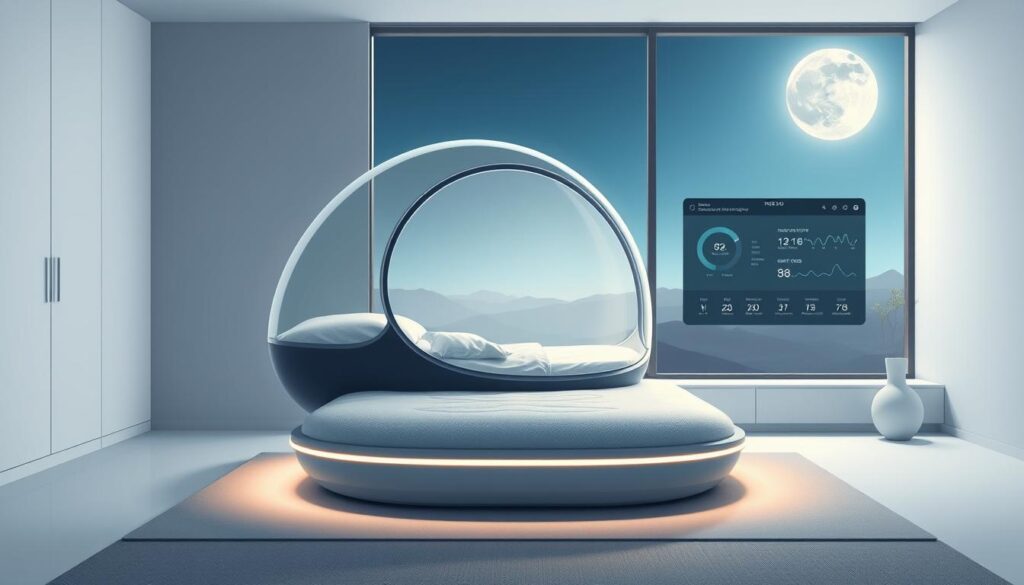
Getting quality sleep is key for your health. Sleep improvement is more than just resting. It’s about refreshing your body and mind.
Recent studies show that AI-powered sleep trackers and apps can really help. They analyze your sleep patterns and give you tips tailored just for you.
Using AI sleep technology lets you understand your sleep better. This can lead to a longer, healthier life. It’s all about longevity.
The Sleep-Health Connection
Quality sleep is key to health, affecting everything from brain function to heart health. You might not know how much sleep impacts your well-being. But, it’s vital to grasp this connection for a healthy life.
Why Quality Sleep Matters for Longevity
Studies show quality sleep is vital for health, impacting how long you live. Sleep helps your body fix cells, build bones and muscles, and boost your immune system. Poor sleep quality can cause serious health problems like diabetes, heart disease, and obesity, affecting your life span.
Common Sleep Problems and Their Health Impact
Sleep disorders and bad sleep habits are common and harm your health. Issues like insomnia, sleep apnea, and restless leg syndrome can cause daytime tiredness, lower productivity, and raise the risk of chronic diseases.
Sleep Disorders vs. Poor Sleep Habits
It’s important to tell the difference between sleep disorders and bad sleep habits. Sleep disorders need medical help, but bad habits can change with lifestyle changes. Understanding your sleep issues is the first step to better sleep.
Understanding Your Sleep Through Data
AI-powered sleep trackers help you understand your sleep better. They monitor sleep metrics, giving insights into your habits and health.
Key Sleep Metrics Worth Tracking
Tracking the right sleep metrics is key. Sleep duration and sleep stages show how well you sleep.
Sleep Duration and Sleep Stages
Sleep duration is how long you sleep. Sleep stages include light, deep, and REM sleep. Knowing these stages helps spot sleep cycle issues.
For example, not enough REM sleep can hurt your memory and thinking.
Sleep Consistency and Efficiency
Sleep consistency is about your sleep schedule. Sleep efficiency is how much time you sleep while in bed. Bettering these can improve your sleep quality.
How Sleep Data Reveals Health Patterns
Looking at your sleep data shows health patterns. It helps see how sleep affects your well-being.
Connecting Sleep to Daily Activities
Your sleep data links to your daily activities. For example, it shows how exercise and diet affect sleep. This helps tailor your workout for better rest.
Understanding sleep and daily habits helps improve health and longevity.
Health & Longevity: Fix Your Sleep with Data & AI
Advanced technologies like AI can give you insights into your sleep. This helps you understand and improve your sleep patterns.
How AI Analyzes Sleep Patterns
AI analyzes sleep patterns by using machine learning algorithms. It looks at data from wearables or sleep trackers. This helps spot patterns and oddities in your sleep.
Pattern Recognition in Sleep Data
AI is great at finding patterns in sleep data. It can spot problems like sleep apnea or insomnia. It looks at sleep stages, how long you sleep, and how well you sleep.
Personalized Sleep Recommendations Through Machine Learning
Machine learning helps create personalized sleep plans for you. It looks at your sleep data to suggest ways to improve. This includes better sleep habits, environment, and routines.
Adaptive Sleep Coaching Systems
Adaptive sleep coaching systems adjust their advice based on your progress. They use real-time data to make sure your sleep plan keeps getting better.
Predictive Sleep Improvement Models
Predictive models can forecast sleep problems. They give advice to keep your sleep schedule consistent. This helps improve your sleep quality.

Sleep Tracking Technologies and Tools
Technology has led to many sleep tracking devices and apps to improve sleep quality. You can pick from simple wearables to advanced systems for monitoring sleep patterns.
Consumer Wearables and Smart Devices
Wearables and smart devices make tracking sleep easy without big changes in your life. They are handy and offer insights into your sleep.
Smartwatches and Fitness Trackers
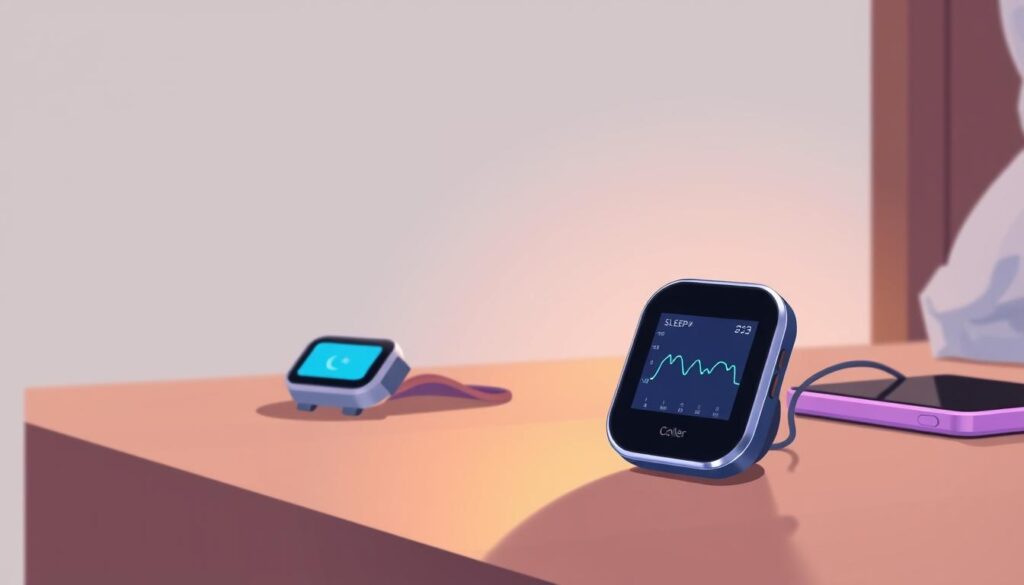
Smartwatches and fitness trackers are top choices for tracking sleep. Fitbit and Garmin devices monitor sleep stages, heart rate, and more during sleep.
Smart Mattresses and Bedside Monitors
Smart mattresses and bedside monitors track sleep quality and duration. They also monitor things like temperature and noise levels.
Clinical and Advanced Sleep Monitoring
For detailed sleep analysis, clinical tools are available. These are used in medical settings but can also be used personally.
Medical-Grade Sleep Tracking
Medical-grade tracking uses advanced equipment for sleep disorder diagnosis. It’s often used in sleep labs or clinics.
AI-Powered Sleep Apps
AI sleep apps give personalized insights and tips. They can work with wearables or alone.
Features to Look For in Sleep Apps
When picking a sleep app, look for sleep stage tracking, smart alarms, and personalized tips. These can improve your sleep by giving you useful advice.
Implementing Data-Driven Sleep Improvements
Data-driven sleep improvement is a powerful tool to help you overcome sleep problems. By making a personal sleep plan, understanding your sleep data, and using AI insights, you can see big improvements in your sleep.
Creating Your Personal Sleep Optimization Plan
To begin, you must set realistic sleep goals that fit your needs. This means knowing your current sleep habits and finding areas to get better.
Setting Realistic Sleep Goals
When setting your sleep goals, think about your lifestyle, sleep disorders, and what you like. Be honest with yourself about what you can do. Don’t get too hard on yourself if you face challenges.
Interpreting Your Sleep Data Correctly
Understanding your sleep data is key to knowing your sleep patterns. Be careful of common misinterpretations that can lead to wrong conclusions about your sleep health.
Common Misinterpretations to Avoid
Don’t just look at one thing, like how long you sleep. Look at the whole picture, including sleep quality and what stage of sleep you’re in.
Adjusting Habits Based on AI Insights
AI can give you great insights into your sleep. By adjusting your habits based on this, you can make specific improvements to your sleep.
Measuring Progress and Refining Your Approach
As you change your sleep habits, it’s key to measure your progress and adjust as needed. This might mean changing your sleep schedule, making your bedroom sleep-friendly, or finding relaxing bedtime routines.
Conclusion
Using data and AI can help you sleep better, leading to better health and longer life. These tools help you understand your sleep patterns. They also show you how to improve your sleep.
AI and data can change how you sleep. They offer new ways to improve your sleep health. By using these tools, you can sleep better and feel better overall.
It’s time to take charge of your sleep. Look into the latest AI and data sleep solutions. Start your journey to better sleep and a healthier life.