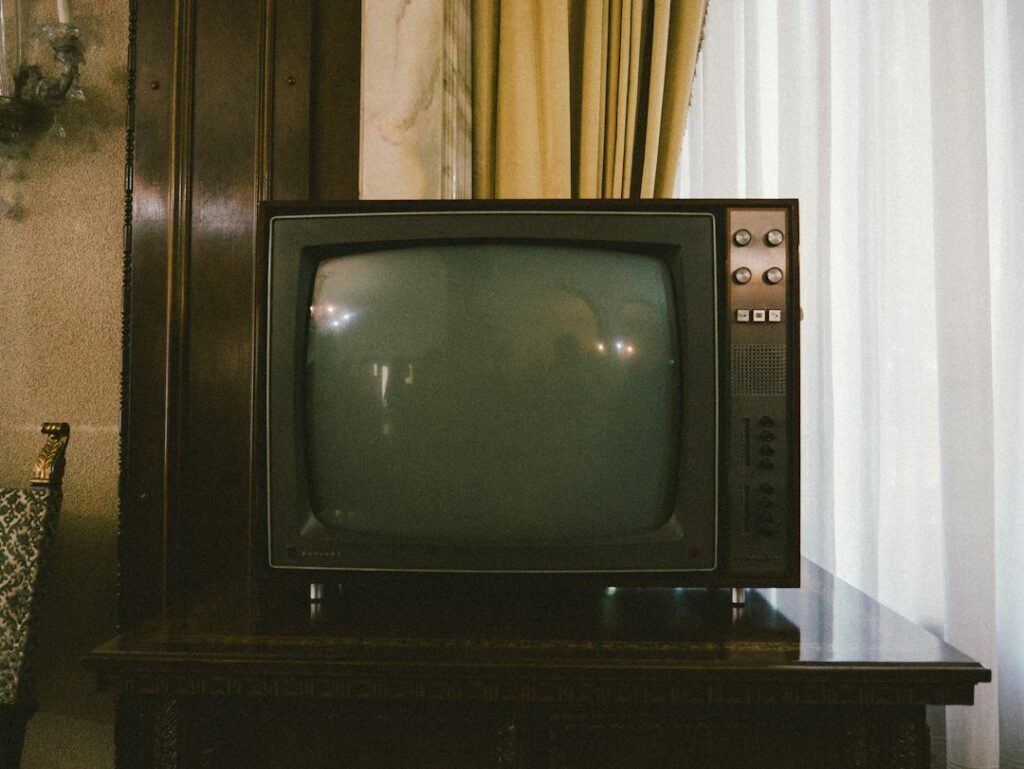
A familiar television line may look perfect on a mug. AI can suggest layouts and illustrations in seconds, but it cannot give you permission to sell someone else’s creative work. Before paying for samples or opening a shop, separate the idea you like from the rights you would need to use it.
There are two practical routes: obtain a suitable license for recognizable show-related merchandise, or develop an original nostalgic concept that does not depend on a show’s protected material or branding. This article uses U.S. sources to explain the questions; other countries’ rules and individual contracts can differ.
A short quote is not a complete rights assessment
The U.S. Copyright Office’s Circular 33 explains that names, titles and short phrases generally do not qualify for copyright protection. That does not mean every line of dialogue, illustration or design associated with a program is available for merchandise. Copyright analysis depends on what you are actually reproducing.
A product can combine several elements: words, a character drawing, a screenshot, a show’s logo, an actor’s likeness and a distinctive layout. Each needs consideration. A claim that a phrase is too short for copyright does not clear accompanying artwork or resolve trademark and personality-rights questions. An AI-generated imitation can still raise problems.
Write down exactly what the buyer would recognize. If the appeal depends on association with a particular series or performer, treat that as a reason to investigate permission before production. “Inspired by,” a disclaimer, or changing the font is not a substitute for that work.
Check trademarks and the commercial context
Search the phrase and close variations in relation to the products you intend to sell. The USPTO’s clearance guidance recommends looking beyond its federal database, including internet searches for common-law use. Similar wording used for related goods can matter even when your exact phrase produces no result.
Save the date, search terms and relevant results. Look at the entire presentation, including the shop name, product title, tags, packaging and promotional images. Do not label a product official or imply an endorsement you do not have. A search is preliminary research, not a legal opinion or a guarantee against a complaint.
Do not ask AI to approve fair use
The Copyright Office’s fair-use FAQ says there is no fixed word count or percentage that automatically makes copying permissible. Fair use depends on the circumstances. A chatbot’s confident answer, another seller’s listing or the age of a television program does not establish that your product qualifies.
If you want to rely on fair use for a commercial design, have an appropriately qualified lawyer assess the actual artwork and proposed use before launch. Avoid turning an uncertain legal position into an inventory purchase simply because a mockup looks appealing.
Ask for permission with a specific proposal
For recognizable show-related goods, locate an official licensing contact through the rights holder’s own channels. A fan website or an image search is not proof that someone can grant permission. Send a concise proposal describing the exact material, product types, quantities, sales territories, channels and intended period of use.
Clarify whether artwork needs approval, whether AI-assisted changes are permitted, and whether you may use print-on-demand suppliers and promotional mockups. Ask about royalties, minimum commitments, renewal, unsold stock and required credit wording. Confirm all necessary rights in writing rather than treating a friendly email as an unlimited license.
If the license is unavailable or uneconomic, change the concept. You can enjoy a program without building a business around reproducing its assets.
Create nostalgia from your own experiences
Start with an activity rather than a franchise: arranging snacks for a weekly television evening, adjusting rabbit-ear antennas, or arguing over the remote. Write your own observation and draw your own composition. Avoid recognizable character designs, logos, actor likenesses and copied catchphrases.
Use AI to explore broad visual choices: “Suggest six layouts for my original illustration about a family choosing what to watch. Use simple geometric shapes. Do not reference real programs, characters, celebrities, brands or existing slogans.” These restrictions help define the task; they do not prove that the output is original or cleared.
Inspect the results for suspiciously familiar symbols and wording. Search proposed phrases independently. Add final lettering in a design editor so you can check spelling, spacing and legibility, and confirm the commercial-use terms for your fonts, stock assets and AI tool. Keep your sketches, licenses and design decisions together.
Approve a real product before listing it
Order a sample and examine the actual print, color, placement and readability. Check the production provider’s current file requirements and confirm that your permissions cover its manufacturing process. A polished digital mockup cannot demonstrate print quality.
Maintain a simple record for each product: final artwork version, source of every element, permission or original-work notes, applicable restrictions, sample approval and supplier. Price the product using actual manufacturing, shipping, platform and licensing costs. If the rights remain unresolved, keep the design unpublished. The useful AI contribution is helping you develop and organize a legitimate product, not declaring somebody else’s television history free to sell.
Featured photograph: PJ Gal-Szabo on Unsplash. Illustrative stock photograph; it does not show a tested service or an item offered for sale.
Updated September 28, 2026. This article was created with AI assistance. For general information; check current terms and seek qualified advice for your circumstances. Read our disclaimer.


