A houseplant app can remind you to look at a plant, organize photographs or suggest a possible name. It cannot promise that the plant will never decline. The useful question is whether the tool helps you notice conditions and make better-informed decisions.
Start with one plant and a simple record. You may discover that a clearer label and a few observations are more helpful than a collection of automatic watering alerts.
10 MINUTES · GUIDED PRACTICE
Turn three fictional observations into a dated log without inventing a diagnosis or care schedule.
Confirm the plant before personalizing its care
Keep the nursery label or purchase information if you have it. An image-based identification is a suggestion to verify, especially when related plants look similar. If the identity remains uncertain, record that uncertainty rather than letting every later instruction depend on a guess.
Use an appropriate horticultural source or knowledgeable local expert to confirm care requirements. Do not use an app’s name suggestion to decide that a houseplant is edible or harmless to children or pets.
Give each plant its own record, even if two pots contain the same species. Different locations, containers and growing media can create different conditions.
Record the conditions you can actually observe
Start with the plant’s location, container, drainage arrangements, growing medium if known and recent changes. Note where light comes from and how it changes through the day. One photograph of a bright room does not measure the plant’s daily light exposure.
Add dated observations rather than diagnoses: a leaf yellowed, the plant was moved, water remained in a decorative outer pot, or a particular insect-like shape was visible. Record when you actually watered or fed the plant, using the real product and amount if relevant.
The University of California’s houseplant problem guidance explains why examining conditions and symptoms matters. Similar-looking damage can have different causes. A photograph and a confident paragraph are not enough to prove which cause applies.
Let AI organize the log
Fictional notes to use with the prompt: October 1: moved Plant A from the hallway to the east-facing window. October 3: noticed one yellow leaf. October 4: no watering entry was recorded. Plant identity and soil moisture were not noted.
Organize these observations about one houseplant into a dated log. Separate actions taken, visible changes, environmental changes and unanswered questions. Do not invent missing entries, diagnose a disease or prescribe watering, fertilizer or pesticide quantities. Suggest which observations would help a horticultural adviser understand the problem.
Check the output against your notes. “No watering recorded” must not become “the plant was not watered.” “A yellow leaf appeared after a move” must not become “moving caused the yellow leaf.” Preserve the difference between sequence and cause.
A useful weekly summary might say that the plant changed location and two leaves yellowed, with no record of how wet the growing medium was. That tells you which information is missing without manufacturing an explanation.
Check your result
The summary says: “The move caused a yellow leaf because Plant A was not watered.” Is that supported?
Reveal the check: observation is different from cause
The notes show a move followed by a yellow leaf. They do not establish what caused the leaf to yellow.
No watering entry is not proof that no watering occurred. Plant identity and moisture remain unknown.
What should the next request ask for?
Ask for a log with dates, observed changes, actions recorded, and missing information. Do not ask the assistant to fill the gaps with a treatment or watering amount.
Use reliable plant-specific guidance or an appropriate adviser for care decisions. This exercise teaches record keeping, not diagnosis.
You have finished this exercise when: All three dates are preserved, unknown information stays unknown, and the log contains no invented cause or treatment.
Get help with a stuck step · Choose another practice lesson
Fictional practice example added October 10, 2026. Your wording can differ; check the facts and limits above.
Use reminders to inspect, not automatically intervene
Set a reminder to check the plant rather than an instruction to water it regardless of conditions. Follow verified guidance for the actual plant and growing setup. Requirements can change as conditions change.
University of Minnesota Extension’s spring houseplant advice describes seasonal changes in growth and water use. A schedule copied from a different season or setting may not fit your plant.
Do not respond to every app alert by adding water, fertilizer or a treatment. Check the observation behind the alert first. If using a product, follow its instructions and confirm that it is appropriate for the plant and problem. A chatbot should not improvise a chemical mixture or treatment rate.
Ask what a sensor really measures
A sensor may provide a moisture, light or temperature reading. A service may use those readings to produce a prediction. The measurement and the prediction are different pieces of information.
Read the manufacturer’s placement, maintenance and interpretation instructions for the exact device. Check what happens when the battery is low, data stop arriving or the sensor is moved. Missing readings are not evidence that conditions are fine.
Compare the display with direct observations rather than assuming a coloured “healthy” badge describes the whole plant. No single reading establishes freedom from pests, disease or other problems.
Know when to get another pair of eyes
If a problem continues, gather clear photographs of the whole plant and affected areas, the care record and details of recent changes. Ask a local extension service, reputable horticultural adviser or appropriate plant clinic what information they need.
Avoid repeatedly changing several things at once based on successive AI guesses. Keep track of any action recommended by a qualified adviser and what happened afterward. Sometimes a plant cannot be restored, and an app should not promise otherwise.
Keep the system only if it helps
After a few weeks, ask whether the log helped you spot missing information or avoid duplicate care by different household members. Check any subscription cost, photo-storage practices and export options before committing more of your collection to a service.
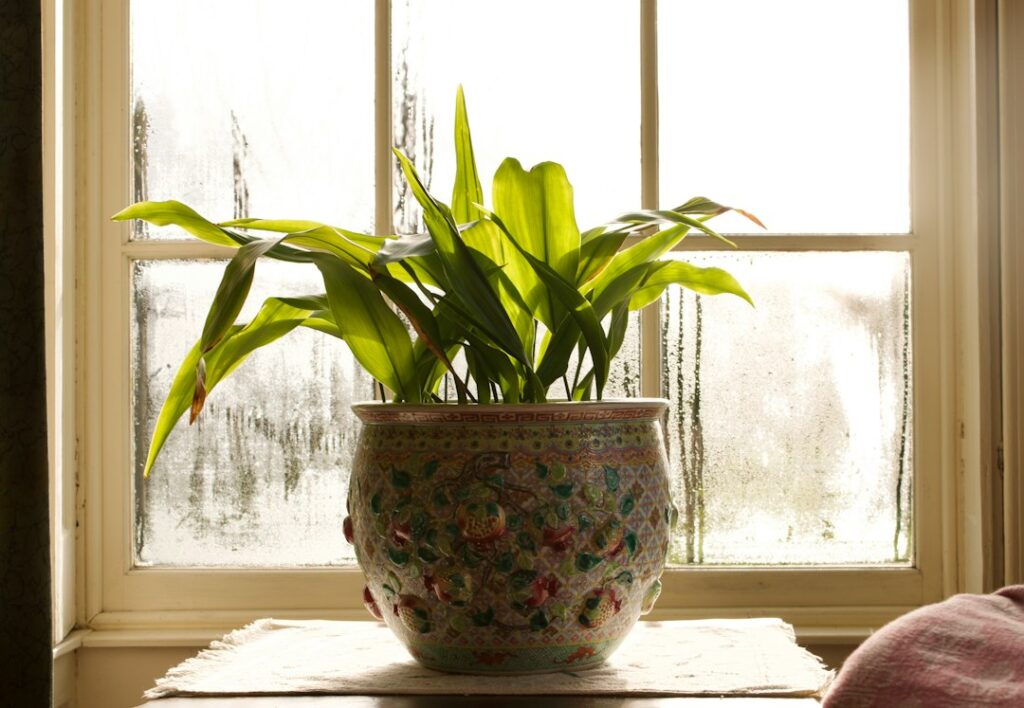
Photo: Nora Hutton on Unsplash. Illustrative houseplant; no sensor, app diagnosis or guaranteed care outcome is shown.


