A brand mascot is a fictional character used in a business’s communications. AI can help explore appearances or rough scripts, but a client needs more than an appealing image: the character must remain recognizable across poses, sizes and future assignments.
If you want to sell this work, start with a defined asset package. A static illustration, a short animated greeting and an interactive customer-service system are three different products. Agree which one you are delivering before choosing tools or setting a price.
Give the character one useful role
Ask where the mascot will appear and what it should help explain. Is it welcoming visitors, demonstrating an instruction or adding personality to a newsletter? Establish the audience, tone, prohibited topics and the company’s existing visual identity.
For a fictional repair business, a small lantern character could introduce practical maintenance tips. The brief might specify a simple silhouette, a warm expression and no human impersonation. A complicated superhero costume would add production work without necessarily improving that role.
Have the client approve the role and rough silhouette before you generate dozens of poses. The character should still read clearly as a small icon, in one color and against the backgrounds where it will actually appear.
Create a reference sheet you can reproduce
Use AI to explore different directions, then develop the selected design into a controlled reference. Record proportions, colors, facial features, clothing or accessories, front and side views, and a few approved expressions. Keep source files so future work does not depend on reproducing a lucky prompt.
Inspect the entire design at full size. Look for extra limbs, inconsistent eyes, impossible joints, broken objects, accidental lettering and details that change between views. An unusual fictional creature can be intentional; unexplained changes from frame to frame are a production defect.
Check generated variations against the reference sheet rather than accepting each attractive result as a new standard. If you cannot reproduce the character consistently, simplify or redraw it before selling a reusable identity.
Check rights before promising exclusivity
Review the tool’s current commercial terms and permissions for fonts, references, stock elements and voices. Do not base the design on a famous mascot or an identifiable person without the appropriate rights. Record what the client supplied and what you created.
The USPTO recommends searching for similar marks, including beyond its federal database. A character name or appearance can raise issues even when it is not identical to another mark. Arrange appropriate trademark advice when the client is investing in a long-term identity; an image generator is not a clearance service.
The U.S. Copyright Office’s position on AI output depends on human expressive contribution, not simply supplying prompts. Be precise about rights you can transfer and any third-party restrictions. Do not guarantee that every generated element is exclusive or copyright-protected.
Build animation as a separate production stage
A flattened image is not automatically an editable puppet. For example, Adobe Character Animator’s artwork instructions explain how organized, named Photoshop or Illustrator layers support features such as eyes, mouth and head movement. The puppet needs preparation and testing beyond concept generation.
For a first package, choose a short greeting with one modest gesture. Agree the background, framing, duration, voice source, captions and required file types. A client who only needs still artwork should not be paying for an elaborate animation setup.
Review the exported clip frame by frame around difficult movements. Check mouth shapes against speech, blinking, overlapping parts, hand positions and the edges of any transparent background. Watch the full clip at normal speed too; technically intact frames can still produce awkward motion.
Test the actual destination, such as a web page or social post, for cropping and legibility. Keep faces and important gestures away from likely crop boundaries. Include a still alternative when motion is unnecessary or the destination does not support the chosen format.
Do not bundle in an untested chatbot
A character’s appearance does not give it reliable knowledge of returns, bookings or products. Connecting it to generated replies introduces a separate system with information access, privacy, monitoring and escalation decisions. Define and test that work separately if the client requests it.
For a straightforward mascot package, deliver approved prerecorded messages and clearly fictional character text. Do not claim the character is a real employee, independent reviewer or customer with personal experience. Our article on virtual influencer channels considers the larger ongoing publishing commitment.
Hand over something maintainable
Provide an asset inventory: approved reference sheet, agreed image sizes, animation exports, caption or script files, source files where included, and a short usage note. State software dependencies and whether the client can commission another designer to make changes.
Price concept work, revisions, animation, voice permissions and additional poses explicitly. Identify who maintains the files and what future updates cost. A small paid pilot can reveal the true workload before a recurring agreement. The useful result is a character the client can deploy consistently, with clear permissions and no mystery about what happens next.
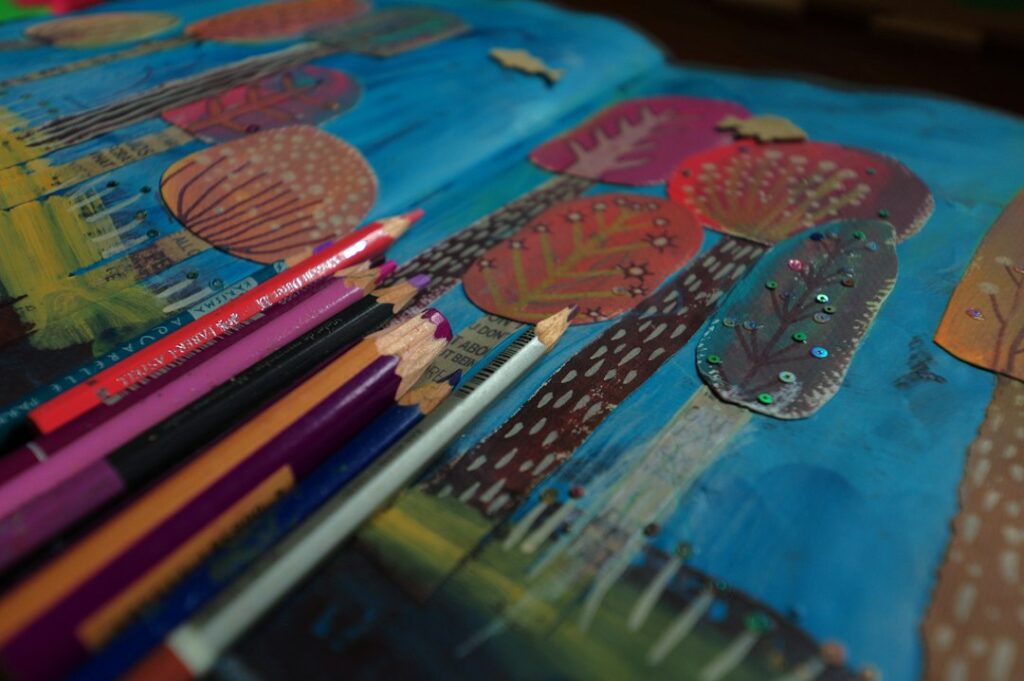
Featured photograph: Elena Mozhvilo on Unsplash. Illustrative photograph of art materials, not a delivered mascot or an AI-generated result.
Updated September 27, 2026. This article was created with AI assistance. For general information; check current product terms and obtain qualified advice where appropriate. Read our disclaimer.


