What you will prepare
Result: A short list of questions about who receives readings and what happens if they do not arrive.
- Level
- Beginner reading and questions
- Time
- About 10 minutes for the fictional exercise; clinical setup is separate
- Device
- Phone, tablet or computer; paper also works for the exercise
- Tools
- Paper or a notes app; an AI text chat is optional. No device, medical record, monitoring account or paid plan is needed for practice.
Before you begin: Prepare questions for a monitoring provider. Do not use an invented response schedule as your care plan.
Time is a planning estimate, not a measured reader result. Go to the fictional practice.
A device can send a reading without anyone reviewing it immediately. That is the most useful fact to establish before relying on remote health monitoring. “Connected,” “real time,” and “AI-powered” describe parts of a system; none automatically means that a clinician is watching around the clock.
A good monitoring arrangement connects measurements to a clear plan: which information is needed, who receives it, how it is used, and what you should do when something goes wrong.
Find the gap between sending and receiving
Fictional practice: Fictional Lee sees “sent” on a home-monitoring app. The welcome sheet says a clinic receives readings, but it does not name the review hours or say what to do when a reading is missing.
Try the question yourself, or copy the full prompt into an AI text chat you already use. You can complete the example on paper without opening an account. Use only the fictional material supplied here.
Using only these fictional notes, write three setup questions about receipt, review hours and missing readings. Do not infer that a clinician has reviewed a reading or invent emergency instructions. Notes: Lee sees “sent” on an app. The welcome sheet says the clinic receives readings. Review hours and the missing-reading process are not stated.
If a copy control is unavailable, select the prompt text and copy it yourself. Help with copying and pasting.
Read the illustrative result and three checks
Illustrative result, not an observed AI answer: How can Lee confirm that a reading reached the clinic? During which hours does someone review it? What is the agreed process if a reading is missing?
- “Sent” is not rewritten as “reviewed” or “safe.”
- Review hours and the missing-reading process stay unresolved.
- The care team supplies the actual response plan.
Finish when: you can explain these checks and keep the missing information visible. If an AI answer adds facts or advice, remove the additions and compare it with the supplied notes.
What remote monitoring means
The U.S. Department of Health and Human Services describes remote patient monitoring as using digital devices to collect and share health information. Depending on the care plan, that could involve readings from a blood pressure device, scale, or another specified tool.
A consumer wellness app, a connected medical device, and a clinic-managed monitoring program are not interchangeable. A product may collect useful information without being connected to your healthcare team. A clinic may use ordinary thresholds rather than AI to decide which readings to review. Ask about the actual arrangement rather than the marketing label.
Get a clear answer to “who is watching?”
Ask the provider to explain the review schedule and escalation process in plain language. An automated alert, a message in a patient portal, and a telephone call are different forms of communication. You need to know which one applies to you.
- Who receives my readings, and which person or team reviews them?
- During which hours are readings reviewed, including weekends and holidays?
- What should I do if an alert appears, and how soon should I expect a response?
- What if I have symptoms but the device shows nothing unusual?
- Which phone number should I use for routine questions or an urgent concern?
Keep emergency instructions separate from routine monitoring. Do not wait for an app or dashboard to respond to a suspected medical emergency; use emergency services, including 911 in the United States.
Confirm that information actually arrives
HHS’s patient-preparation guidance recommends explaining device use and having staff confirm receipt when monitoring begins. Ask for a demonstration using your own setup. A successful Bluetooth connection is not by itself proof that the clinic received a reading.
Source check — October 20, 2026: The HHS preparation guidance linked above covers device setup, patient instruction and confirming that readings reach the provider. It does not establish any particular clinic’s review hours or emergency-response arrangement.
Also establish what to do when the battery runs out, the internet drops, you travel, or the device reports an error. Ask whether readings are stored for later transmission and how to distinguish an old reading from a new one. Follow the program’s instructions rather than inventing a workaround.
A fictional example shows the gap: a person takes the requested morning measurement and sees it on their phone. The clinic cannot see it because account linking is unfinished. The helpful next step is confirming setup with the care team, not assuming that silence means the reading was reviewed and considered safe.
Ask what AI contributes
If a program uses AI, ask for a concrete description: does it help prioritize a queue, summarize trends, or identify a particular pattern? Who checks the output, and can staff see the underlying readings? What happens when the algorithm cannot interpret them?
Ask which device and software are used and what their validated purpose is. One tool’s evidence should not be stretched into a claim that all connected devices predict illness, reduce hospital visits, or prevent emergencies. A system that is useful in one care pathway may not answer a different clinical question.
You do not need to become an algorithm expert. You do need to understand how a result could affect your care and who takes responsibility for the next decision.
Understand costs and access
Ask about setup charges, device ownership or rental, monthly monitoring fees, insurance coverage, and any cost when no treatment changes are made. Request an estimate for your own coverage rather than relying on a general statement that monitoring is “covered.” HHS emphasizes planning around the patient’s needs in its monitoring strategy guidance.
Review who can access the data, what is shared with other companies, and how to end the service. If a trusted person helps with setup, use the program’s authorized access options rather than casually sharing passwords.
The best program gives you a manageable task and a dependable route back to care. More readings and more alerts are not inherently better. Before starting, be able to explain the measurement schedule, review process, action plan, and cost in your own words.
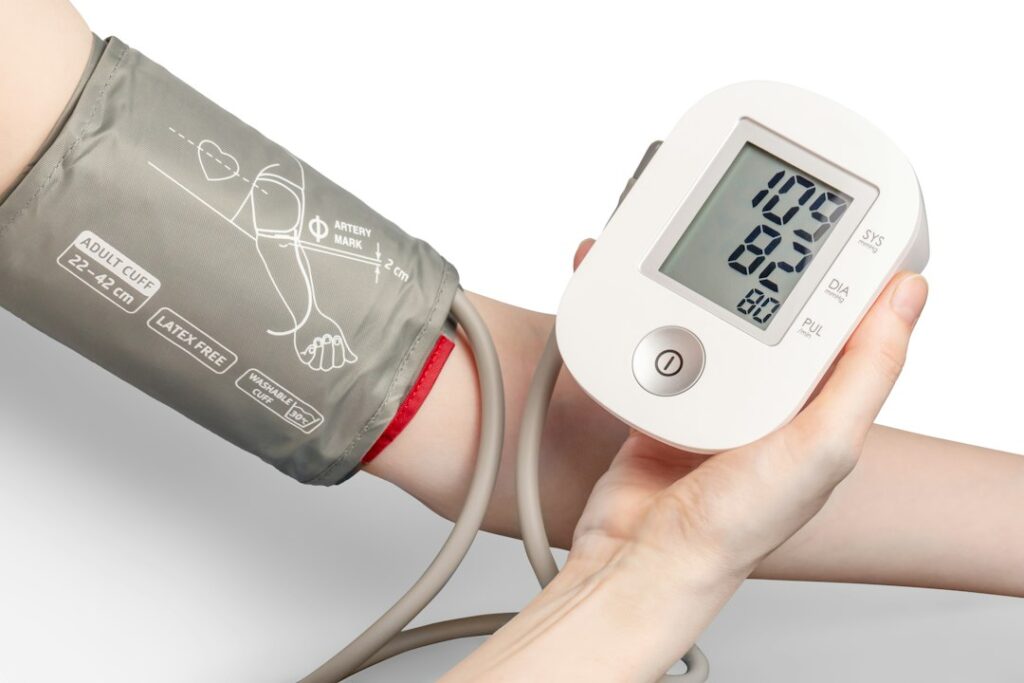
Photo: Mockup Graphics on Unsplash. Illustrative photograph, not a demonstration of measurement technique or a product recommendation.
Updated September 23, 2026. Prepared with AI assistance and checked against the sources linked in this article. This is educational information, not personal medical advice or a hands-on product test. See our disclaimer.


