A renovation becomes easier to discuss when you can explain what is wrong, what you want to change, and what you can spend. AI can help prepare that conversation. It can organize notes, identify unanswered questions, and compare the wording of proposals.
It cannot tell from an attractive rendering whether a wall carries a load, whether hidden wiring is safe, or whether a design meets local requirements. Treat it as a planning assistant, with the actual building decisions supported by qualified people and verified information.
Write the problem before designing the solution
“Renovate the kitchen” is broad. “Improve storage and lighting while keeping the existing layout if practical” is a clearer brief. Describe the everyday problem, rather than starting with an image of a completely different house.
List your priorities in order: essential repairs, functions you need, preferences, and things you are willing to postpone. Add a spending ceiling, timing constraints, and whether people will be living in the home during work. These are your constraints, not numbers AI should invent.
Use AI to turn those notes into a one-page brief. Ask it to keep measured facts, preferences, and unknowns in separate sections. An unknown ceiling height should stay unknown until somebody measures it.
Use images for discussion, not construction
A generated picture may move a window, stretch the room, remove a support, or hide an awkward doorway. That can make the proposal look appealing while making it impossible to build as shown.
Label concept images accordingly and keep an unaltered reference photo beside them. Ask the designer or contractor what changed between the reference and the concept. Request measured drawings and specifications appropriate to the project before using the image to order materials or authorize construction.
For a change limited to colors and furnishings, see our article on planning a room refresh with AI. Renovation adds questions about the building itself, the work sequence, and responsibilities.
Make contractor proposals comparable
Two prices may cover very different work. A lower total may leave out preparation, disposal, finishing, or important materials. AI can help find differences in written proposals, but compare its summary against the originals line by line.
For example, imagine one fictional proposal is $22,000 and another is $24,000. The first says “flooring allowance”; the second lists the flooring product and installation. That does not prove the second is better. It tells you what to ask before treating the totals as equivalent.
- What work and materials are included, and what is excluded?
- Which prices are fixed, estimated, or allowances?
- Who handles permits, inspections, and coordination?
- How will unexpected conditions and changes be documented and priced?
- What cleanup, completion checks, warranties, and payment milestones are specified?
The FTC recommends checking contractor licensing and insurance, obtaining multiple written estimates, and reading the contract carefully. A polished AI comparison does not verify a contractor’s credentials. Check those with the relevant authorities and insurer information.
Put energy improvements on an evidence base
A chatbot might suggest insulation, new windows, a heat pump, or a smart thermostat without knowing why your home is uncomfortable. Before choosing an expensive change, gather bills and note rooms that are drafty, damp, or difficult to heat or cool.
The Department of Energy describes professional energy assessments that use building measurements and may include air-leakage and thermal imaging tests. Ask the assessor to explain priorities and interactions between recommended measures.
AI can translate an assessment’s terminology and list questions. It should not size equipment, prescribe structural alterations, or promise a savings percentage from a description alone. Confirm incentive availability, eligibility, and deadlines directly with the program administrator before including them in your budget.
Try a proposal-review prompt
Compare these redacted renovation proposals only on what they explicitly say. List shared work, differences, exclusions, allowances, unclear responsibilities, and questions for each contractor. Preserve every amount and unit exactly. Do not choose a winner, infer that missing work is included, or decide whether the design is structurally safe or code compliant.
Remove addresses, signatures, account details, and access instructions before uploading documents. If the plans contain sensitive details or another party’s confidential work, check permission and the tool’s data settings first.
Keep decisions traceable
After a meeting, use your own notes to draft a list of agreed decisions and open questions. Confirm important items with the contractor in writing. Keep the original proposal, approved changes, receipts, and relevant product documents together.
AI is most valuable here when it reduces confusion. A successful outcome is a clearer brief and fewer unanswered questions—not a convincing picture that encourages you to skip the measurements and professional judgment a real renovation needs.
Updated September 24, 2026. Prepared with AI assistance. Examples are illustrative. This article is for information and education, not professional advice.
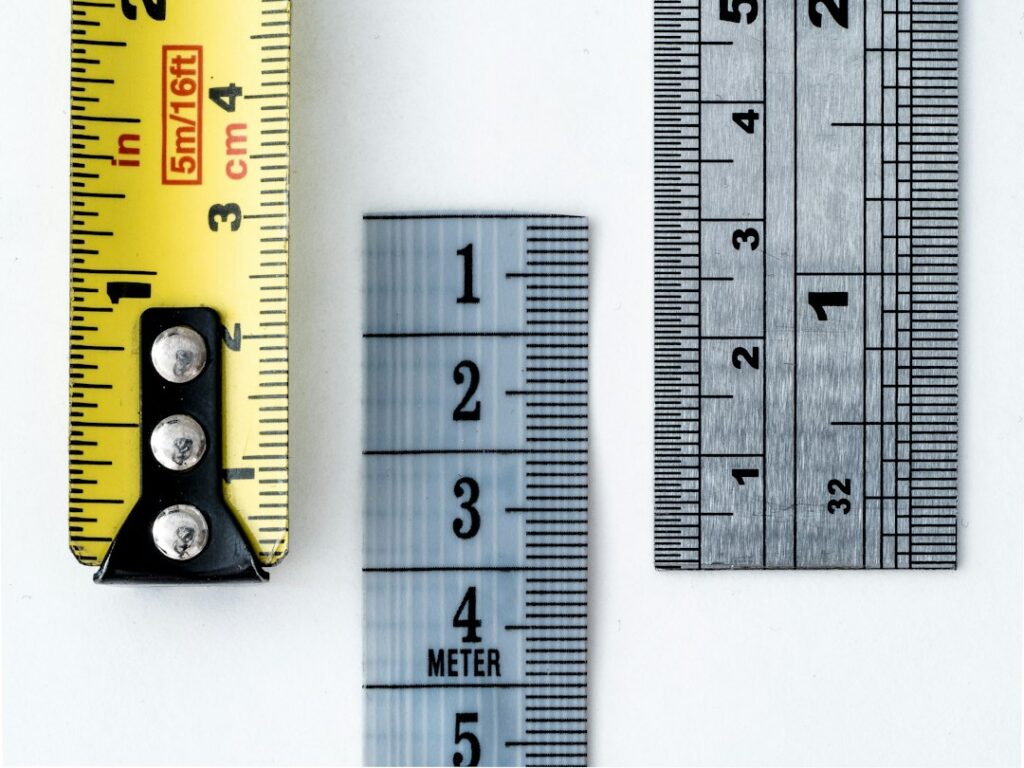
Featured image: William Warby on Unsplash. Illustrative photograph.