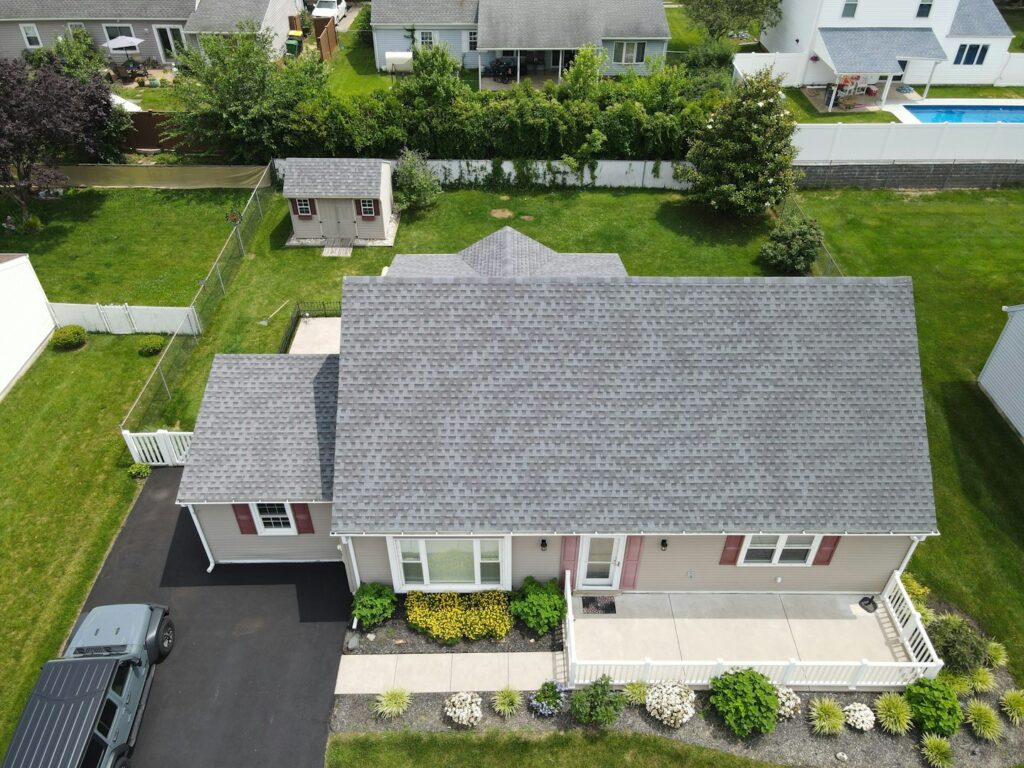
Suppose your home insurer sends a letter saying your roof is worn. Nobody came to the house, and you still have the paid invoice from the roofer who replaced the shingles. Before you ask for a new estimate, ask the insurer for the picture it relied on, the date it was taken and the exact spot that raised concern.
The date on the letter tells you when someone wrote to you. The date on the image tells you whether they saw the roof you have today. If the photo predates the work, a receipt can answer a question that even the sharpest aerial picture cannot.
First, make sure the letter came from your insurer
Call the number on your policy or use your insurer’s usual app. Ask whether the company sent the letter and whether it is requesting information, asking for repairs or giving formal notice that coverage will end. Write down the response deadline and the date your coverage is due to expire. Those can be different days.
There’s a good reason to make that call. In a November 2025 consumer advisory, the Massachusetts Division of Insurance described mailers sent to Rhode Island residents that listed their addresses and warned about their roofs. An unaffiliated third party had sent them. If your agent has no such notice on file, there’s no reason to book a contractor through the mailer.
What can an insurer see from above?
Nearmap, one company that sells software to insurers, combines overhead and angled photographs with AI that looks for features such as staining, missing tiles and signs of repair. Its roof assessment tool can mark the affected area and indicate how confident the software is in what it identified. A program might correctly spot a dark streak. Whether that streak means your roof needs work is a separate question.
Only your insurer can tell you whether it used AI, what its reviewer saw and how that affected your policy. Ask it to mark the area in question. Is it on the house, the detached garage or the addition? Is the concern the age of the shingles, their appearance or a specific defect? Each calls for different evidence.
What Massachusetts says about cosmetic streaks
Massachusetts allows insurers to use aerial images and to decline coverage when the evidence clearly shows damage or deterioration. But the state’s April 2025 bulletin on aerial imaging says a purely cosmetic issue, such as discoloration unrelated to the roof’s condition or risk of loss, should not by itself lead to cancellation, nonrenewal or refusal to write a policy.
When the image is inconclusive, the division expects further review, which can include an inspection. If you dispute what the insurer found, it expects the company to consider relevant evidence promptly and change its decision when warranted. A request for review is an opportunity to correct the record. The insurer may still find that the roof fails its standards.
Match your evidence to the part of the roof in question
Consider a hypothetical example. An aerial photo taken in April shows worn shingles on the rear slope. You had that slope replaced in July. The insurer’s letter arrives in October. Send the invoice showing the address, completion date and scope of work, along with any dated photographs your roofer took when the job was finished. Point out that the photograph shows the roof before the repair.
Now change one detail. Suppose the April photo shows the garage and the July invoice covers only the house. That invoice tells you nothing about the condition of the garage. Ask the insurer to identify the garage defect. A written assessment from a qualified roofer who examines that location will tell you more than an estimate to replace the whole roof.
Your first email can be this short.
Please send the roof image used for this decision, its capture date and the specific area and condition of concern. What evidence would you accept to reconsider? Please confirm where to send it, my response deadline and whether my coverage end date changes during the review.
Keep an eye on the date your coverage ends
A nonrenewal means the company plans to stop covering you when the policy term ends. In Massachusetts, the homeowners nonrenewal notice law generally requires written notice to you or your agent at least 45 days before expiration, with specific reasons. Midterm cancellation follows different rules. Outside Massachusetts, ask your state insurance department about the rules where you live.
If a repair is needed and your roofer cannot finish in time, the Massachusetts homeowner Q&A suggests discussing a signed contract for the work with your insurer. Ask for its answer in writing. While you wait, your agent can also look for replacement coverage. If another quote comes in, our guide to comparing insurance policy terms explains what to check beyond the premium.
Keep the letter, the picture, your reply and the insurer’s written decision together. Until the company confirms your renewal or a new policy is in place, keep working toward the expiration date on the notice.
Sources and further reading
- Massachusetts Division of Insurance guidance to insurers on aerial images (PDF)
- Massachusetts Division of Insurance answers homeowners’ roof inspection and renewal questions
- Nearmap’s description of what its roof assessment can detect
Sources checked November 12, 2026. AI assisted with reporting and drafting. Read how AI Over 40 reviews its guidance.
The featured photograph shows a Pennsylvania home after a roof replacement. Photo by Paragon Exterior via Unsplash.