They help deliver everything from family photos to weather forecasts and AI answers. They also use a lot of electricity and sometimes water. Here’s a clear look at what data centers do, why they matter, and what communities should ask.
When you ask an AI tool a question, stream a movie, check your bank account, or pull up a photo you saved years ago, it can feel as though the answer simply appears on your screen.
Behind the scenes, there is a good chance a data center is involved. These buildings are part of the physical infrastructure that keeps much of our digital world running.
Recently, though, you may have heard neighbors, elected officials, and environmental groups express concern about plans to build more of them. Are data centers something to fear?
They deserve a closer look. They provide valuable services, but a large project can place real demands on the community around it. The details of each project matter.
What exactly is a data center?
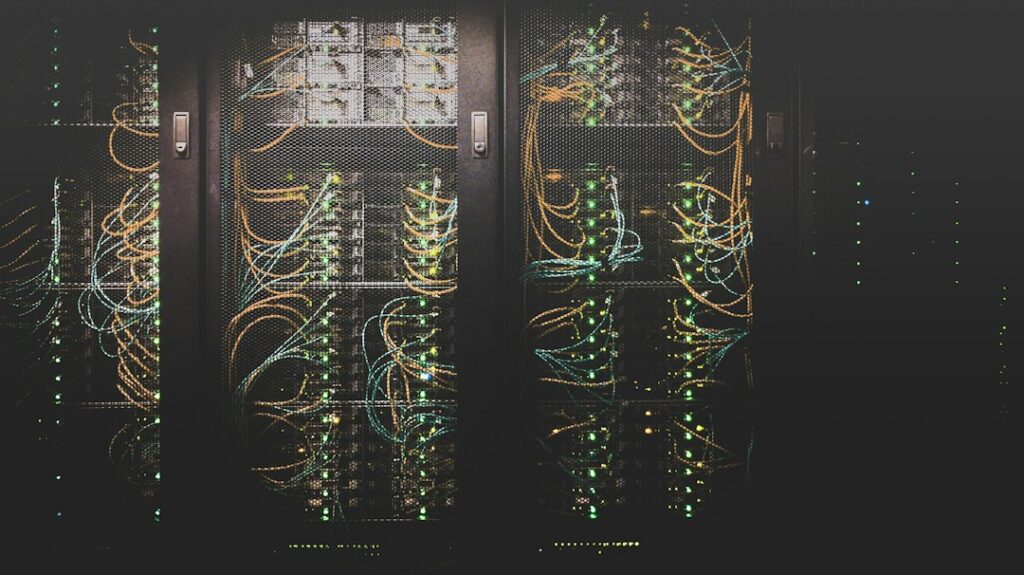
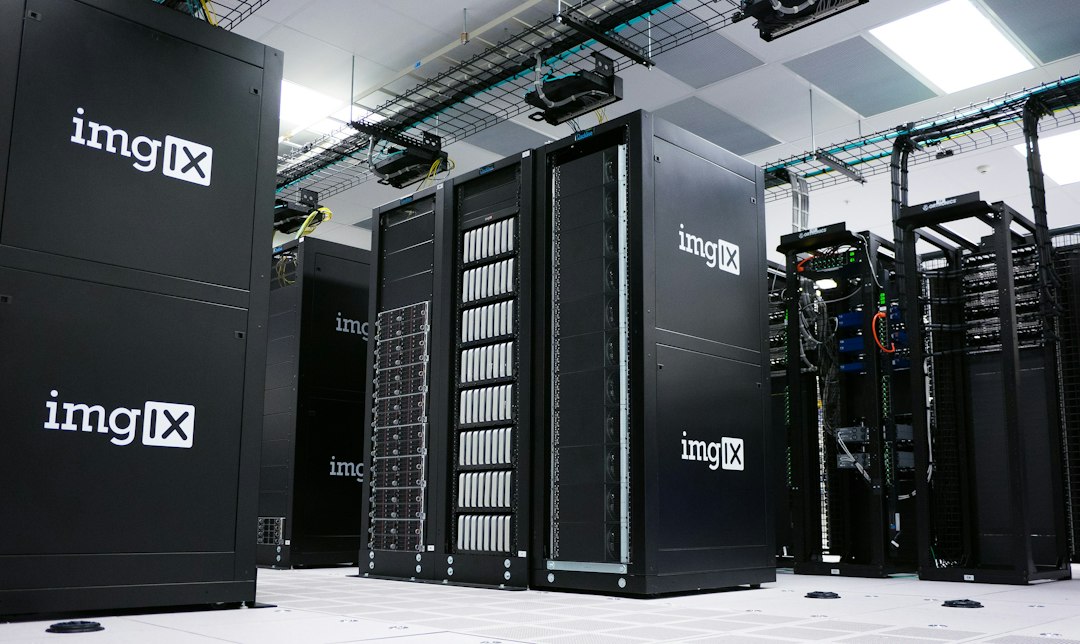
Think of a data center as a highly organized building full of powerful computers. Instead of one desktop machine on a desk, it might contain rows of computers called servers, along with equipment that connects them to the internet, keeps them cool, and supplies backup power.
Those computers store information and carry out tasks. When you use an online service, your phone or computer sends a request over the internet. A server processes it and sends information back, often in a fraction of a second.
The term cloud can make all this sound as if it happens somewhere in the sky. In reality, cloud services rely on physical computers in real buildings, connected by cables and networks. Different services use different systems, and a request can involve more than one data center.
What do data centers do for us?
They support far more than AI. Data centers help make online banking, video calls, email, shopping, streaming, and digital photo storage possible. Businesses and public services also rely on them to process information and keep systems available.
Here are a few examples of the benefits:
- Staying connected: They help deliver messages, video calls, and shared family photos, whether your relatives live across town or across the country.
- Access to useful services: Many healthcare organizations, banks, and businesses use computing systems to manage information and offer online services. That convenience also makes reliable security and privacy protections essential.
- Better information: The National Oceanic and Atmospheric Administration has moved some weather prediction models to cloud infrastructure, helping make computing resources available for forecasting work.
- Scientific research: Data centers support tools such as the AlphaFold Protein Structure Database, which provides researchers with predictions of protein structures. Such tools can speed investigation; a prediction is a starting point for research, not a guaranteed cure.
- AI assistance: The systems behind AI tools can help people draft a letter, learn a new skill, explore a question, or make an unfamiliar task more manageable.
For a town, a data center can also mean construction work, some ongoing technical and maintenance jobs, and tax revenue. How much the community receives depends on the project, its staffing, its tax agreements, and its costs. Construction jobs are generally temporary, so it is reasonable to ask how many permanent jobs a facility will provide.
Why are people concerned?
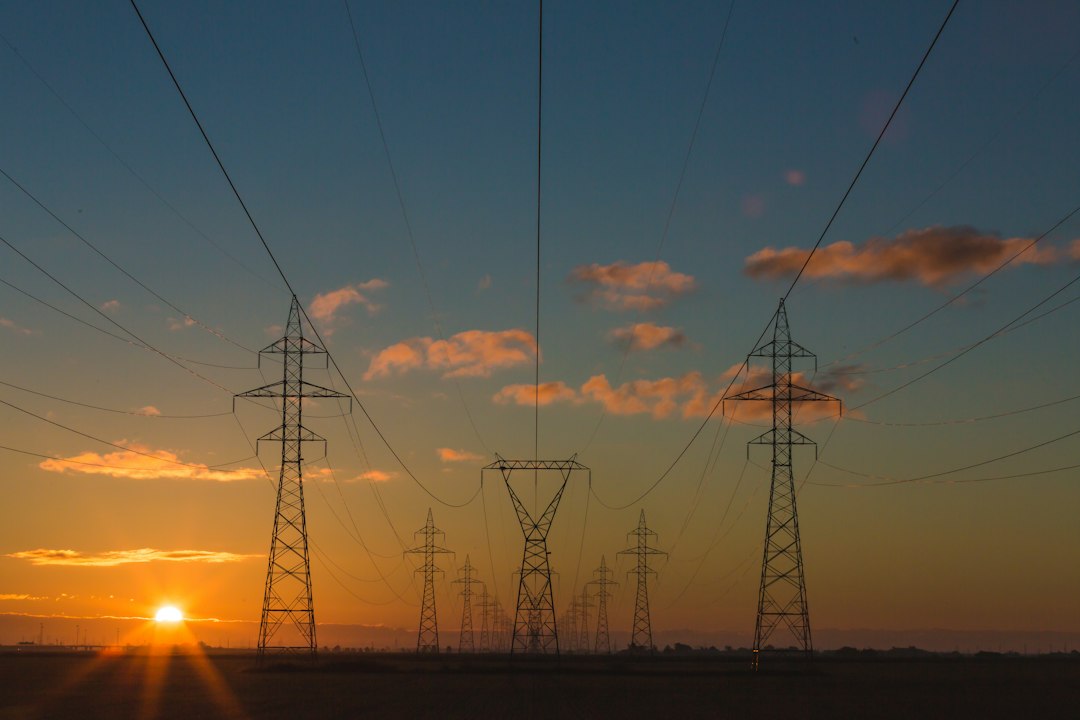
Electricity. Servers and cooling systems need power, and some of the largest facilities need a great deal of it. Demand is increasing as more people use cloud services and AI.
The International Energy Agency estimated that data centers used about 485 terawatt-hours of electricity worldwide in 2025 and projected that figure could reach around 950 by 2030. That is a forecast, not a certainty, and it includes data centers serving many purposes, not just AI. The agency also notes that the impact can be more noticeable in a local area where several centers are concentrated. Read the IEA’s analysis.
IEA executive director Fatih Birol summed up the connection: “there is no AI without energy.” His agency says new electricity demand does not automatically mean higher prices, but fast-growing, concentrated demand can require new generation and grid upgrades. Who pays for those upgrades is an important question for residents. Source: IEA.
Water. Computers produce heat, and some cooling systems use water. Water needs vary widely depending on the design, the weather, and whether a facility uses drinking water, recycled water, or another source. In places already facing water shortages, a new demand can be especially concerning.
How does that compare with a golf course? A survey of 2020 water use by the Golf Course Superintendents Association of America reported that the median U.S. 18-hole facility applied about 25.8 million gallons of irrigation water per year. An earlier 2016 Department of Energy and Lawrence Berkeley National Laboratory report estimated that example 15-megawatt data centers consumed 80 million to 130 million gallons of water on site each year: roughly three to five times that golf-course figure.
That is an illustration, not a rule for every data center or course. The estimates come from different years and measure on-site water consumed and irrigation water applied, which are not identical measures. The data-center estimate also excludes water used to generate its electricity. Actual use and local effects vary with the facility, water source, climate, and season.
“Even if you have money, the water source is another challenge.”
— Shaolei Ren, associate professor, UC Riverside
Ren and his colleagues have also drawn attention to the capacity needed during the hottest days, when cooling demand can spike. Their research suggests communities should ask about peak use and who will pay for any water-system improvements. Some cooling methods use less water but may require more electricity, so there can be tradeoffs. Source: University of California.
Noise and the local landscape. Cooling equipment, backup generators, construction, and traffic can affect nearby residents. A large industrial building can change the look and feel of an area, too. These impacts depend on the location, design, and local rules.
Pollution and climate. The environmental effect depends partly on where the electricity comes from. Power generated from fossil fuels produces greenhouse gas emissions, and backup generators can contribute to local air pollution when they run. Cleaner energy and efficient equipment can help, but promises should be matched with clear, measurable plans.
Costs and benefits. Residents may reasonably wonder whether tax breaks or infrastructure expenses outweigh the local benefits. A project can benefit the wider digital economy while still being a poor deal for a particular town. The agreement deserves careful scrutiny.
Can data centers become better neighbors?
Yes, although there is no single fix. Operators can improve efficiency, consider less water-intensive cooling, use recycled water where appropriate, and plan with utilities before construction. Some companies are investing in cleaner power and energy storage. Better planning can help, but every option has costs and limits.
Communities can also ask for clear commitments and public reporting. If a project is proposed near you, useful questions include:
- How much electricity and water will the facility use, especially during peak periods?
- Will residents or the company pay for needed infrastructure upgrades?
- How will noise, backup-generator emissions, and construction traffic be controlled?
- How many construction and permanent jobs are expected, and what tax breaks are proposed?
- What information will be reported publicly, and how will commitments be enforced?
So, should you be afraid?
There is no need to fear a data center simply because it houses powerful computers. It is a tool that supports many things we already use and opens the door to useful new ones.
But people are right to ask hard questions when one is planned nearby. The best outcome is a project that delivers useful services while protecting water supplies, managing energy demand, and treating its neighbors fairly. You don’t have to be a technology expert to take part in that conversation.
Sources and further reading
Featured photo by Taylor Vick on Unsplash.
- International Energy Agency: Key Questions on Energy and AI
- International Energy Agency: Data center electricity use in 2025
- University of California: Data center water spikes
- NOAA: Cloud infrastructure and weather prediction
- AlphaFold Protein Structure Database
- Harvard Gazette: Why communities are pushing back