

A big change is happening in how we use technology. You might see a gap between those who use machine learning tools and those who stick to old ways. This gap is not just about preferring one over the other. It’s a big change in how we handle information.
Recent data shows how fast this change is happening. It turns out, 77% of students now use automated systems every day. This shows that how we work is changing quickly.
Staying competitive means understanding these changes. Knowing how these tools affect your work helps you get ready for the future. By embracing this shift, you can stay on top in a world that’s getting more automated.
Defining the Shift in Technological Literacy
Remember when knowing how to use a search engine was cool? It felt like a superpower to find info online. Now, the world of technological literacy is much more complex.
Today, we need to dive deep into complex systems. We’re not just using tools; we’re working with smart machines. This change asks for a new way of thinking, one that involves active participation over just watching.
The Evolution from Internet Access to AI Proficiency
Before, getting everyone online was the goal. Now, AI literacy is key. It’s not just about being connected; it’s about using AI to solve problems.
With 65% of people getting news from social video, knowing how to sift through info is vital. You need to tell the difference between real content and AI-made stuff. This shift means moving from being a passive viewer to an active, AI-literate participant in the digital world.
Why Traditional Digital Skills Are No Longer Sufficient
Many people stick to old digital skills like basic typing or simple searches. While these are important, they’re not enough anymore. The world changes fast, and your tools can become outdated quickly.
To keep up, focus on technological literacy that includes AI and data skills. Sticking to old ways holds you back in an automated world. By learning AI literacy, you keep your skills sharp and valuable to employers.
The New Digital Divide: AI Users vs. AI Avoiders
A big change is happening as people split into two groups based on their AI use. This isn’t just about having the right tools. It’s about how people use generative AI tools in their work and life. Knowing these differences helps us see how the modern job world is changing.
Identifying the AI User Persona
AI users are curious and love to try new things. They see tech as a way to boost their creativity and make tasks easier. They spend time learning how to use these tools well.
Using AI helps them stay ahead in their jobs. They don’t just use tech; they help it grow. Their goal is to work smarter and come up with new ideas.
Understanding the Motivations of AI Avoiders
On the other hand, some people are cautious about AI. They value tried-and-true methods over new tech. Their hesitation isn’t because they can’t use it. It’s because they worry about its long-term effects.
Fear of Job Displacement
Job security worries are a big reason for avoiding AI. Many fear that using these tools could make their jobs obsolete. This fear makes them hesitant to try new software.
Privacy and Ethical Concerns
There are also worries about data privacy and information integrity. With many people unsure about online truth, ethical issues are key. Users fear their data could be misused or that AI lacks the human touch needed for real communication.
Economic Implications of AI Adoption
The gap between those who use AI and those who don’t is changing the economy. Businesses are moving to automated workflows, and your ability to adapt is key to your financial future. This shift is not just a trend; it’s a major change in how value is made globally.
Productivity Gains for AI-Enabled Professionals
Using generative tools daily can greatly boost your productivity. These tools automate routine tasks, letting AI-enabled professionals focus on strategy and creativity. This efficiency means you can do more in less time, increasing your output.
Currently, 7% of people use AI chatbots for news weekly. But, this number jumps to 15% for those under 25. This shows a clear shift in how younger people approach the economy. Those who learn these tools early are well-positioned to lead.
The Risk of Wage Stagnation for Non-Users
Not using AI can cost you financially. If you don’t learn AI, you risk wage stagnation. As automation becomes common, employers will look for those who can use AI.
Your value in the market depends on your efficiency and tech skills. If your peers use AI to work faster and more accurately, you might seem less valuable. Staying behind while the industry moves forward is risky for your career.
Market Competitiveness in the Age of Automation
AI adoption is changing what it takes to be competitive in almost every field. Companies want people who can use technology to boost their work. Your ability to combine human insight with machine smarts is now a key asset.
To stay ahead, see AI as a partner, not a replacement. By using these tools, you keep your skills relevant in an automated world. Learning proactively is the best way to secure your place in the future workforce.
Psychological Barriers to AI Integration
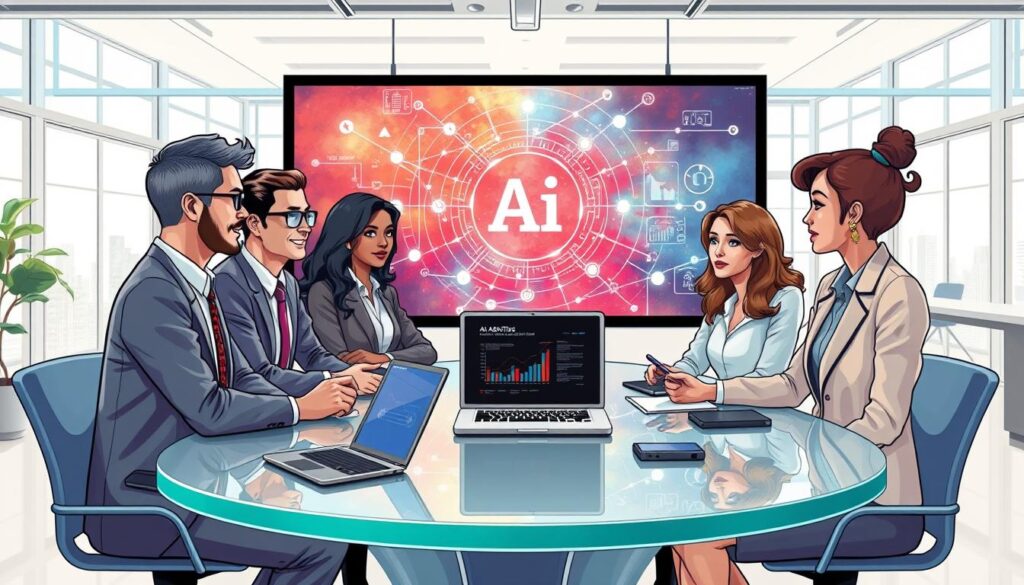
You might feel overwhelmed by the rapid pace of innovation, but understanding your mental barriers is the first step toward mastery. While technical skills are essential, your mindset often acts as the primary gatekeeper to successful AI adoption. Recognizing these internal hurdles allows you to navigate the digital landscape with greater clarity and purpose.
Overcoming Technostress and Cognitive Overload
The constant influx of new tools can lead to significant technostress, leaving you feeling drained and unable to focus. When you try to learn too much at once, you experience cognitive overload, which effectively shuts down your ability to retain new information. To combat this, try focusing on one specific tool at a time.
Breaking your learning process into small, manageable tasks helps reduce the pressure you place on yourself. By setting realistic goals, you can mitigate the symptoms of technostress and maintain a steady pace of growth. Remember that consistency is far more valuable than speed when you are building new digital habits.
The Role of Imposter Syndrome in AI Adoption
Many professionals struggle with imposter syndrome, fearing that they lack the expertise to keep up with rapidly evolving technology. This self-doubt is often amplified by the noise of social media, where 47% of people view online influencers as a major source of misinformation. When you feel like you are falling behind, it becomes easy to retreat from AI adoption entirely.
You must realize that everyone is currently navigating this learning curve together. Overcoming imposter syndrome requires you to embrace a beginner’s mindset and accept that mistakes are a natural part of the process. By focusing on your own progress instead of comparing yourself to others, you can effectively manage cognitive overload and build the confidence needed to thrive in an automated world.
Educational Disparities in the Age of Automation
The gap between old teaching methods and today’s automated jobs is growing fast. Schools find it hard to keep up with new tech. This makes it tough for students to learn about AI literacy needed for the job market.
How Schools Are Addressing the AI Literacy Gap
Schools are trying to add machine learning to their lessons. But, new tech comes so fast that schools can’t update their materials quickly. This leaves students looking for info elsewhere, often from unreliable sources.
Studies show 44% of young adults get their news from social media and videos. This shows a big problem: students might learn about tech from places that care more about fun than facts. It’s key to learn about AI literacy to know what’s real and what’s not.
Self-Directed Learning and the Importance of Curiosity
Because schools can’t teach everything new, learning on your own is more important than ever. You need to explore new tools and understand how they work. Curiosity is your best friend in this fast-changing digital world.
Learning to think for yourself helps you judge info better. By looking for trusted sources and trying out new tools, you fill in the gaps schools might miss. Your drive to keep learning about AI literacy will help you succeed in today’s automated world.
Bridging the Gap: Strategies for AI Literacy
Starting your journey to AI proficiency begins with curiosity and practice. By taking small steps, you can boost your AI literacy and keep up with the job market’s changes.
Adapting to AI doesn’t need a sudden change. Instead, slowly add these systems to your daily tasks. This will help you build confidence gradually.
Practical Steps to Start Using Generative AI Tools
Identify a daily task that can be automated. Generative AI tools can simplify tasks like writing emails or organizing notes.
Start by using these tools to summarize reports or articles. Many users find AI-driven summaries valuable, saving time and improving focus.
Leveraging Platforms Like ChatGPT and Claude for Daily Tasks
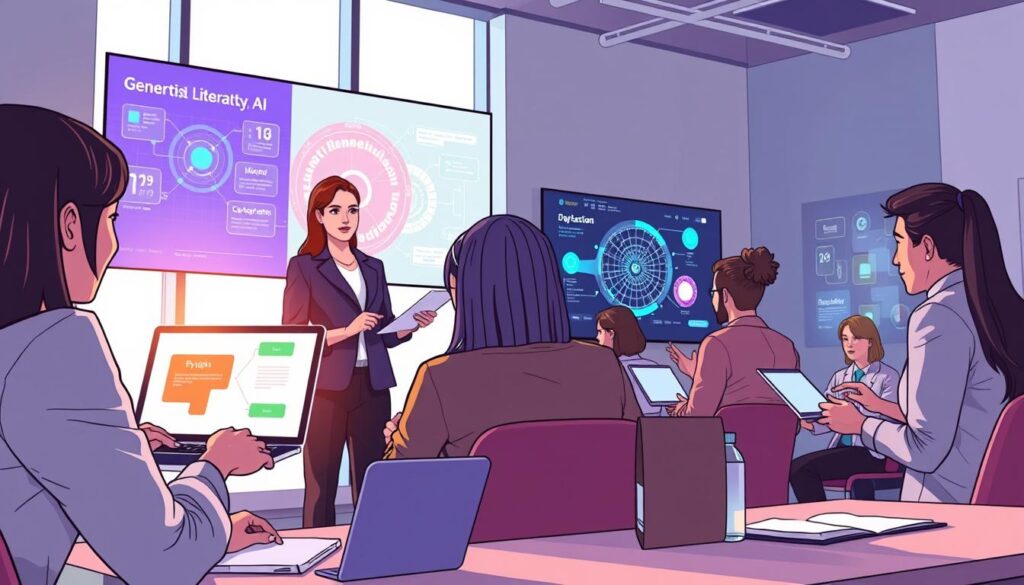
Platforms like ChatGPT and Claude make complex tasks easy. They can help with brainstorming, coding, or writing proposals quickly.
Think of these platforms as collaborative partners, not just search engines. Clear prompts lead to better results that meet your needs.
Building a Growth Mindset Toward Emerging Technologies
Having a growth mindset is key in today’s digital world. See new tech as a chance to grow, not a threat.
Continuous learning helps you adapt to industry changes. Being open to new things lets you stay ahead of the curve.
Ethical Considerations and the Future of Work
The fast growth of AI tools raises big questions about fairness and corporate responsibility. As you use these systems every day, think about how they affect society. It’s key to mix innovation with ethics for lasting success.
Addressing Algorithmic Bias and Transparency
Dealing with algorithmic bias in AI tools is a big challenge. These systems can show biases from the data they learn from, which can keep old inequalities alive. Transparency is the best way to fight these hidden problems.
With only 40% of people trusting news media, the need for clear AI is huge. You should push for AI that explains its decisions clearly. This way, technology can be fair for everyone.
The Responsibility of Employers in Upskilling the Workforce
The shift to an AI-based economy puts a big responsibility on companies to help their workers. Workforce upskilling is now a must for a fair and productive workplace. Employers need to give you the training to use these new tools safely.
When companies invest in your growth, they lower the chance of job loss and build a culture of learning. Empowerment through education lets you work with AI, not against it. The future of work depends on how well leaders train their teams for tomorrow’s challenges.
Conclusion
The world is split between those who love artificial intelligence and those who don’t. You now know how to close this gap. Understanding the economic and psychological sides helps you succeed in the digital world.
Tools like ChatGPT and Claude can boost your work right away. By using them, you get a big edge. This keeps you important in a world where things change fast.
Learning for life is key. You need to keep curious to stay ahead. Having a growth mindset helps you do well while others struggle.
Start your journey to mastery with small steps. Try new software and improve your prompts. This way, you can control your digital future by learning these skills now.